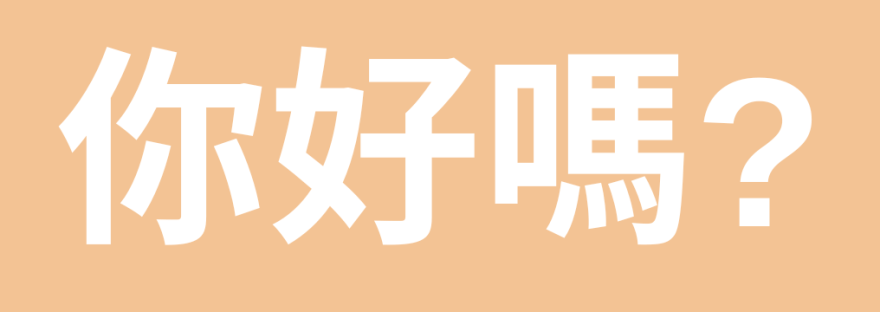
Asking someone how they are is an important part of greeting and social interaction. It shows that you care about the well-being of the person you are speaking to and helps establish a connection. However, there are many different ways to ask this question in Chinese, each with its own nuances and appropriate usage. Here are 10 ways to say “how are you” in Chinese.
A summary of the expressions are available with Pinyin annotation at the end of the article.

你好嗎?(ㄋㄧˇ ㄏㄠˇ ㄇㄚˊ ?)
This is the most common and straightforward way to ask “how are you?” in Chinese. It’s appropriate for both formal and informal situations.
最近怎麼樣?(ㄗㄨㄟˋ ㄐㄧㄣˋ ㄗㄣˇ ㄇㄜ˙ ㄧㄤˋ ?)
This question translates to “how have you been lately?” and is used to inquire about someone’s recent activities and well-being.
身體怎麼樣?(ㄕㄣ ㄊㄧˇ ㄗㄣˇ ㄇㄜ˙ ㄧㄤˋ ?)
This question specifically asks about someone’s physical health, making it a more appropriate question for someone you know well or for a situation where the person you’re speaking to has recently been ill.
忙嗎?(ㄇㄤˊ ㄇㄚˊ ?)
This question translates to “are you busy?” and can be used to inquire about someone’s schedule or workload.
近來可好?(ㄐㄧㄣˋ ㄌㄞˊ ㄎㄜˇ ㄏㄠˇ ?)
This question is similar to “how have you been lately?” but has a more formal tone and is typically used in professional settings.
平安嗎?(ㄆㄧㄥˊ ㄢ ㄇㄚˊ ?)
This question translates to “are you safe?” and is often used as a way of checking in on someone’s well-being during times of crisis or unrest.
還好嗎?(ㄏㄨㄢˊ ㄏㄠˇ ㄇㄚˊ ?)
This question can be translated to “are things still going well?” and is often used to check in on someone’s progress or status.
感覺怎麼樣?(ㄍㄢˇ ㄐㄩㄝˊ ㄗㄣˇ ㄇㄜ˙ ㄧㄤˋ ?)
This question asks about someone’s feelings or emotions and is appropriate for situations where you want to show empathy or concern.
吃了嗎?(ㄔ ㄌㄜ˙ ㄇㄚˊ ?)
This is a common greeting in Chinese culture that translates to “have you eaten?” While it may not seem like a direct way to ask about someone’s well-being, it’s used to show care and concern.
Note : In Taiwan, you are more likely to hear this question in Taiwanese (你食飽未?- ㄌㄧˋ ㄐㄧㄚㄏ ㄅㄚˋ ㆠㄨㆤ˫ – Lí tsia̍h pá buē?), and not Mandarin Chinese.
風和日麗嗎?(ㄈㄥ ㄏㄜˊ ㄖˋ ㄌㄧˋ ㄇㄚˊ ?)
This poetic question translates to “is the wind gentle and the sun bright?” and is often used as a way of asking about someone’s mood or general well-being in a poetic and artistic way.
Summary

There are many ways to ask “how are you” in Chinese, each with its own unique nuances and appropriate usage. By learning these different phrases, you can show that you care about the well-being of the people you interact with and better navigate different social situations in Taiwan.
Join our Substack “Mandarin Zest“, where we regularly share intermediate to advanced Chinese learning content. Make sure to subscribe!
 Bubble Tea Island