
Taiwan, also known as Formosa or “Ilha Formosa” in Portuguese, is a beautiful island country in East Asia. It is known for its picturesque scenery, delicious food, and friendly people. But when was Taiwan called Formosa, and why?
The Portuguese Arrival and Naming
The name Formosa is believed to be dating from 1542. The name was given to Taiwan by Portuguese explorers who arrived on the island in the 16th century. The name “Formosa” means “beautiful” in Portuguese and was used to describe the island’s natural beauty. The Portuguese were the first Europeans to establish contact with Taiwan, which they named “Ilha Formosa” (beautiful island) due to its stunning landscapes.
Dutch Traders and Consolidation of the Name
The 17th century witnessed the wider adoption of the name “Formosa.” Dutch traders established a thriving trading post on the island during this period, dubbing it “Formosa.” Amidst their presence, the Dutch found themselves entangled in conflicts with the Spanish over valuable resources like sulfur and camphor. As the Dutch influence solidified, “Formosa” emerged as the primary moniker, symbolizing both the island’s beauty and its strategic significance.
China’s Rule and Western Persistence
The Qing Dynasty of China governed Taiwan during the 19th century. While the Chinese commonly referred to it as “Taiwan” (台灣), the Western explorers and traders who frequented the island continued to employ the name “Formosa.” This divergence reflected the enduring impact of European influence, keeping the name alive despite regional nomenclature variations.
The Republic of Formosa
After the First Sino-Japanese War in 1895, China ceded control of Taiwan to Japan. However, the Taiwanese people resisted Japan’s annexation of the island and established the “Republic of Formosa,” which only lasted for 151 days before Japan took full control over the island.
Japanese Era and the Official Adoption
Following the fall of the Republic of Formosa, Taiwan came under Japanese control. While the Japanese administration continued to use the term “Taiwan” (台灣 – たいわん) in Japanese, it formally adopted the name “Formosa” as the English name for the island, embracing it until the culmination of World War II. After the war’s conclusion, Taiwan reverted to Chinese rule (ROC), and the name “Taiwan” was reinstated.

Dual Identity in the Present
In contemporary times, both “Formosa” and “Taiwan” are used quite interchangeably to denote the island. The name “Formosa” maintains relevance in specific contexts, such as in the titles of companies and products originating from Taiwan. Furthermore, Portuguese speakers continue to use “Formosa” when referring to Taiwan, showcasing the enduring linguistic legacy of its history.
Extra : How to say “Formosa” in Chinese?
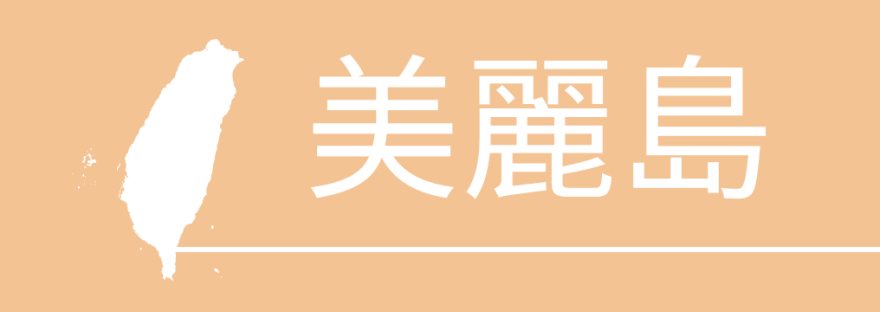
To say “Formosa” in Chinese, there are two options: a phonetic translation or a literal translation. The phonetic translation is “福爾摩沙” (ㄈㄨˊ ㄦˇ ㄇㄛˊ ㄕㄚ), while the literal translation is “美麗島” (ㄇㄟˇ ㄌㄧˋ ㄉㄠˇ), which means “beautiful island.”
| Chinese | Bopomofo | Pinyin |
|---|---|---|
| 福爾摩沙 | ㄈㄨˊ ㄦˇ ㄇㄛˊ ㄕㄚ | fú ěr mó shā |
| 美麗島 | ㄇㄟˇ ㄌㄧˋ ㄉㄠˇ | měi lì dǎo |
The journey of Taiwan’s naming evolution mirrors its dynamic history of cultural encounters and transformations. From the Portuguese admirers of its beauty to the Dutch traders who embraced “Formosa,” the island’s identity has woven together diverse influences. Today, “Formosa” and “Taiwan” coexist, embodying the island’s multi-faceted heritage and its place in our ever-evolving world.
 Bubble Tea Island