

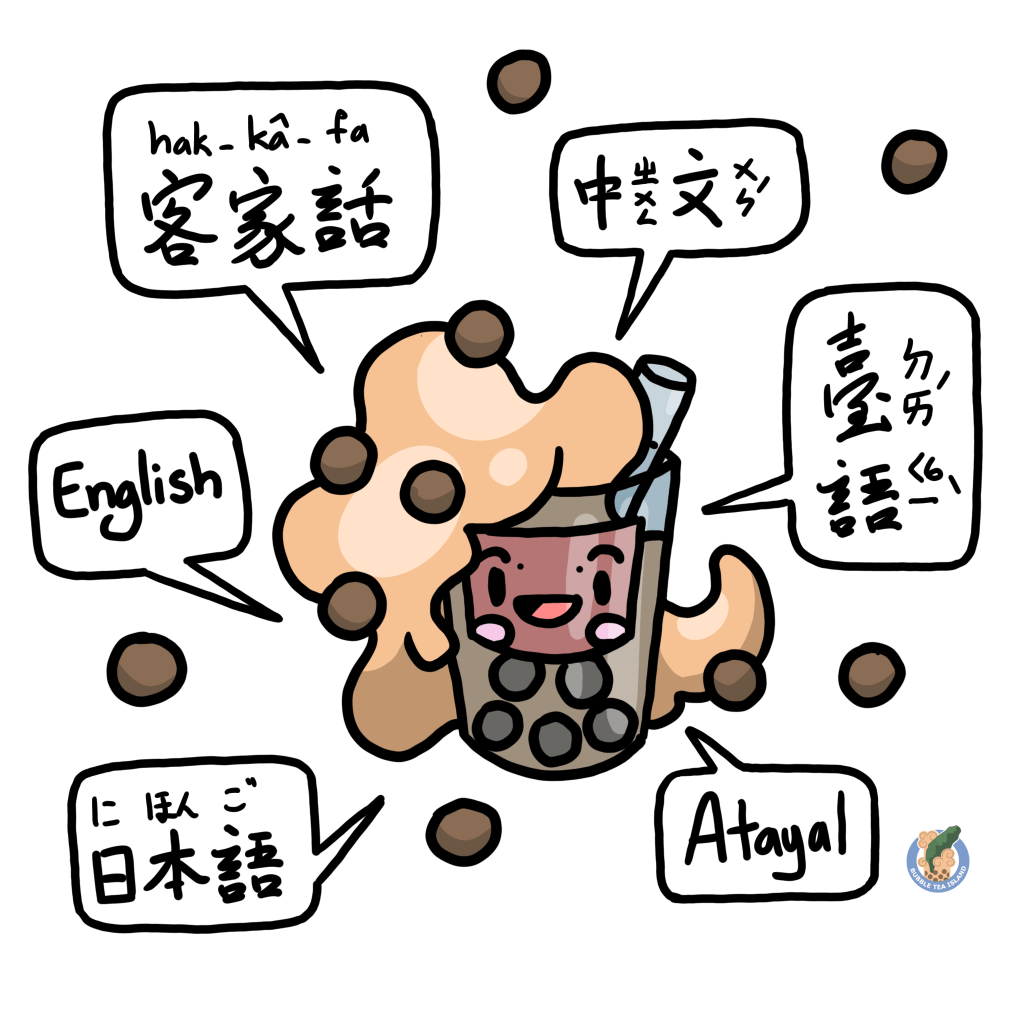
Taiwan is a linguistic mosaic, reflecting its rich cultural heritage and history. From the dominance of Mandarin to the preservation of Indigenous languages, the diversity of spoken tongues offers a fascinating insight into the island’s unique identity. In this guide, we explore the languages spoken in Taiwan, their usage, and their cultural significance.
Overview and key take aways
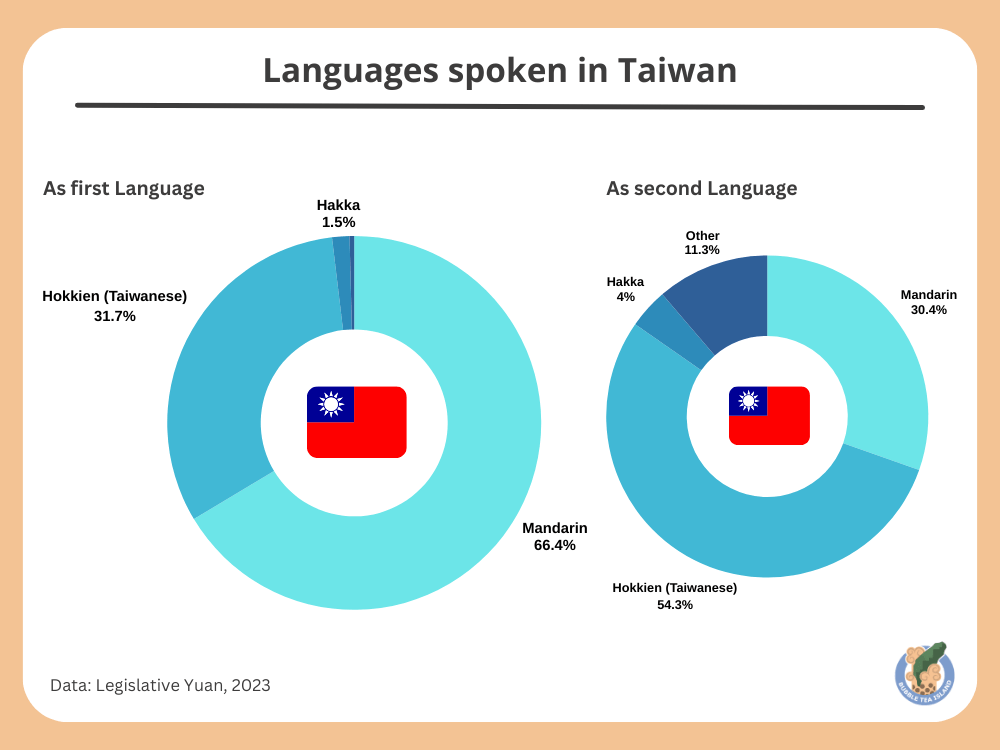
| Language | Usage | Use as a Second Language | Local Language Name |
|---|---|---|---|
| Mandarin | 66.4% | 30.4% | 國語 (ㄍㄨㄛˊ ㄩˇ; Guóyǔ) 中文 (ㄓㄨㄥ ㄨㄣˊ; Zhōngwén) |
| Hokkien (Taiwanese) | 31.7% | 54.3% | 臺語 (ㄉㄞˊ ㆣㄧˋ; Tâigí) |
| Hakka | 1.5% | 4.0% | 客家語 (Hak-ka-fa) |
| Formosan Languages | 0.2% | 0.9% | 臺灣原住民族語 (ㄊㄞˊ ㄨㄢ ㄩㄢˊ ㄓㄨˋ ㄇㄧㄣˊ ㄗㄨˊ ㄩˇ; Táiwān yuánzhù mínzú yǔ) |
| Taiwan Sign Language | 0.1% | 0% | 臺灣手語 (ㄊㄞˊ ㄨㄢ ㄕㄡˇ ㄩˇ; Táiwān shǒuyǔ) |
| Other | 0.2% | 10.4% | NA |
- Linguistic Diversity: Taiwan hosts a rich mix of languages, reflecting its cultural heritage.
- Mandarin Chinese: The official language, using traditional characters and bopomofo, differs from China’s Mandarin in accent, vocabulary, and script.
- Taiwanese Hokkien & Hakka: Widely spoken local languages undergoing revitalization after years of suppression.
- English Proficiency: Rising due to the Bilingual 2030 policy aimed at boosting global competitiveness.
- Formosan Languages: Indigenous languages face extinction despite ongoing preservation efforts.
- Other Languages: Includes Japanese (historic), Southeast Asian languages (migration), and Spanish (international students).
Mandarin Chinese: The Official Language
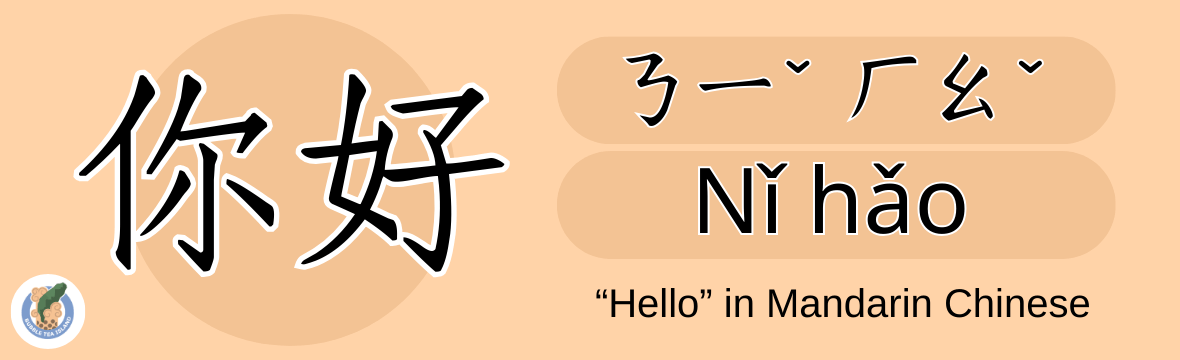
Unquestionably the dominant language in Taiwan, Mandarin Chinese is the official language of the country. However, it is important to note that the Mandarin Chinese spoken in Taiwan differs from the one used in China in certain aspects. These distinctions encompass variations in accent, certain vocabulary and wording, as well as the writing system. In Taiwan, the traditional Chinese script is utilized, alongside the phonetic alphabet known as bopomofo. Mandarin was introduced to Taiwan during the rule of the Kuomintang (KMT) in the mid-20th century, gradually replacing Japanese and Taiwanese as the primary language. Presently, it serves as the medium of instruction in schools, the language of government, and the lingua franca among the diverse ethnic groups residing in Taiwan.
Taiwanese Hokkien (Minnan)
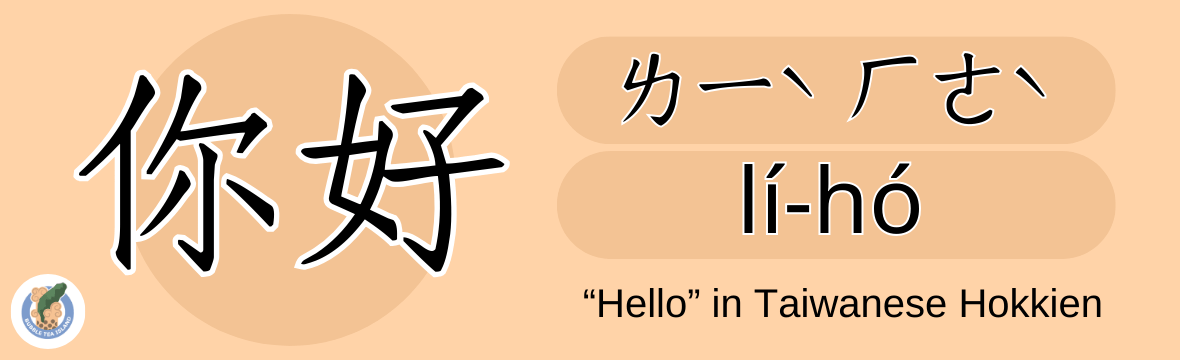
Taiwanese, also known as Hokkien or Minnan, is a widely spoken language derived from the Southern Min Chinese dialect. It is the mother tongue of the majority of Taiwan’s population. Historically, Taiwanese was suppressed during the KMT era when Mandarin Chinese was actively promoted. However, in recent years, there has been a resurgence of interest in Taiwanese as a cultural identity marker, leading to its revitalization and increased usage in daily life.
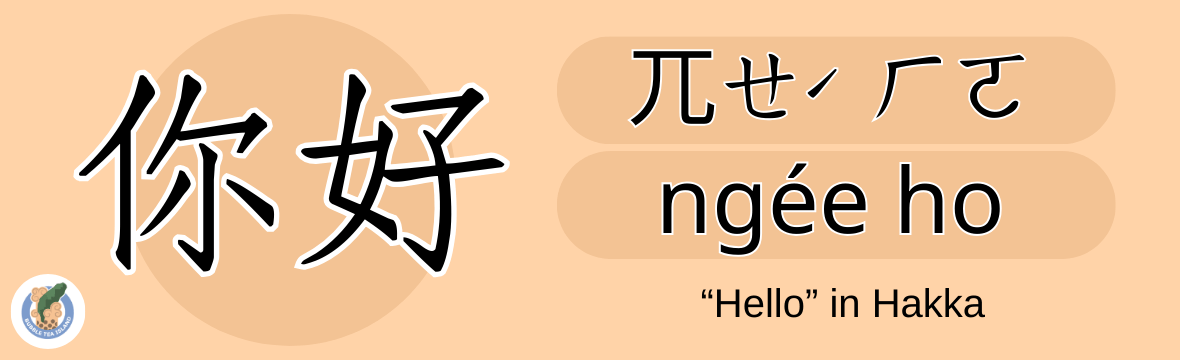
Hakka
Hakka, another sinitic language, has a significant presence in Taiwan. It originated from the Hakka ethnic group, who migrated from China’s Guangdong and Fujian provinces centuries ago. Hakka speakers are spread throughout Taiwan, particularly in rural areas and certain cities. Like Taiwanese, Hakka faced marginalization in the past but has experienced a revival in recent years, with efforts to preserve and promote the language through cultural events and education.
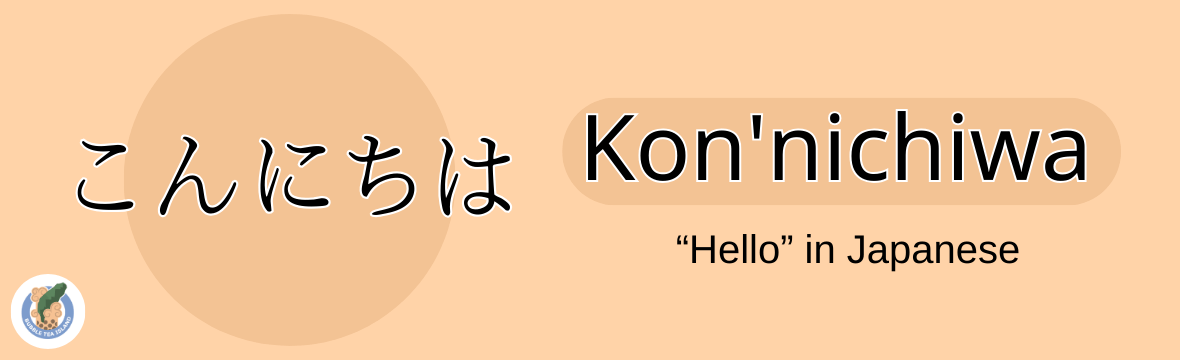
Japanese
Due to Japan’s colonial rule over Taiwan from 1895 to 1945, Japanese became a prominent language on the island during that period. Although its usage declined after World War II, traces of Japanese influence remain, especially among the older generation. Many Taiwanese elders still possess a working knowledge of Japanese, and some elements of the language, such as loanwords and cultural practices, have been integrated into Taiwanese society.
English
English has gained significant importance in Taiwan, particularly in education, business, and tourism. According to the latest report, around 28.5% of the population can speak English to some degree. To enhance the competitiveness of the younger generation, the Taiwanese government has implemented the Bilingual 2030 policy, aiming to strengthen English communication skills, especially among young people. This policy recognizes the advantage of English proficiency in the job market and seeks to equip Taiwanese youth with the necessary language skills to excel globally. By emphasizing English education and fostering bilingualism, Taiwan aims to provide better job and salary opportunities for its citizens while bolstering their global competitiveness.
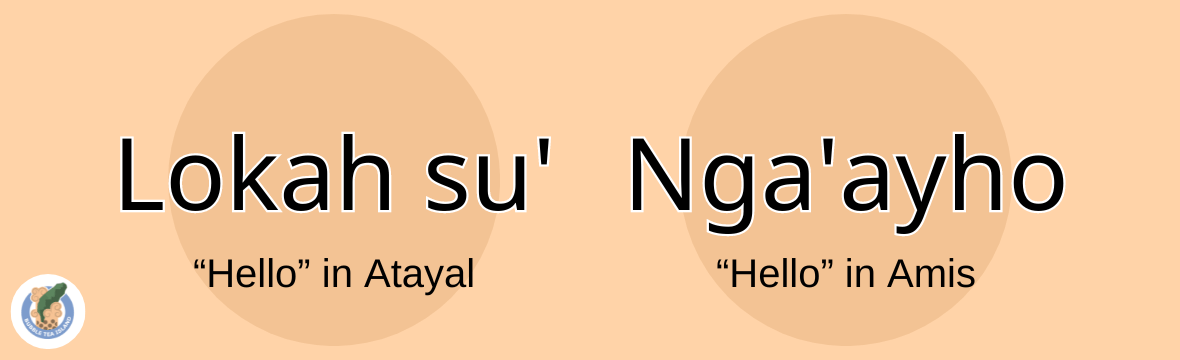
Formosan Languages
The Formosan languages, consisting of 26 indigenous languages, hold immense cultural significance for Taiwan’s aboriginal population. However, the unfortunate reality is that nearly half of these languages are considered extinct or near-extinct. The indigenous peoples of Taiwan represent only 2.3% of the population, with just a third of them able to speak a Formosan language. This decline underscores the urgent need to revitalize and preserve these languages as invaluable cultural assets. Efforts are being made to safeguard the remaining Formosan languages and ensure their continued existence in the face of significant challenges.
Other Languages
In addition, due to the significant number of South East Asian blue-collar workers in Taiwan, languages such as Tagalog (spoken in the Philippines) and Vietnamese have gained prominence in certain communities. The influx of workers from these regions has contributed to the linguistic diversity and cultural exchange in Taiwan. Furthermore, with a growing number of students coming from Taiwan’s Latin American allies, such as Paraguay and Guatemala, the presence of Spanish is also noticeable. These students bring their native language, further enriching the multicultural fabric of Taiwan and fostering connections between different nations. The presence of these additional languages adds depth and vibrancy to the linguistic tapestry of Taiwan.

Taiwan’s linguistic diversity is a testament to its multicultural heritage and complex history. While Mandarin Chinese serves as the official language, Taiwanese, Hakka, Japanese, English, and the Formosan languages collectively contribute to the rich linguistic tapestry of the island. Embracing and preserving these languages is crucial for the appreciation of Taiwan’s diverse cultural identities and for fostering a more inclusive and pluralistic society.
 Bubble Tea Island