As of May 2024, Taiwan’s estimated population was 23,413,608, according to the National Statistics of the ROC. While this figure provides a snapshot, it’s important to note that population numbers are dynamic, influenced by factors such as birth rates, death rates, and international migration. For the most current data, referring to the latest official statistics or reliable sources is advisable.
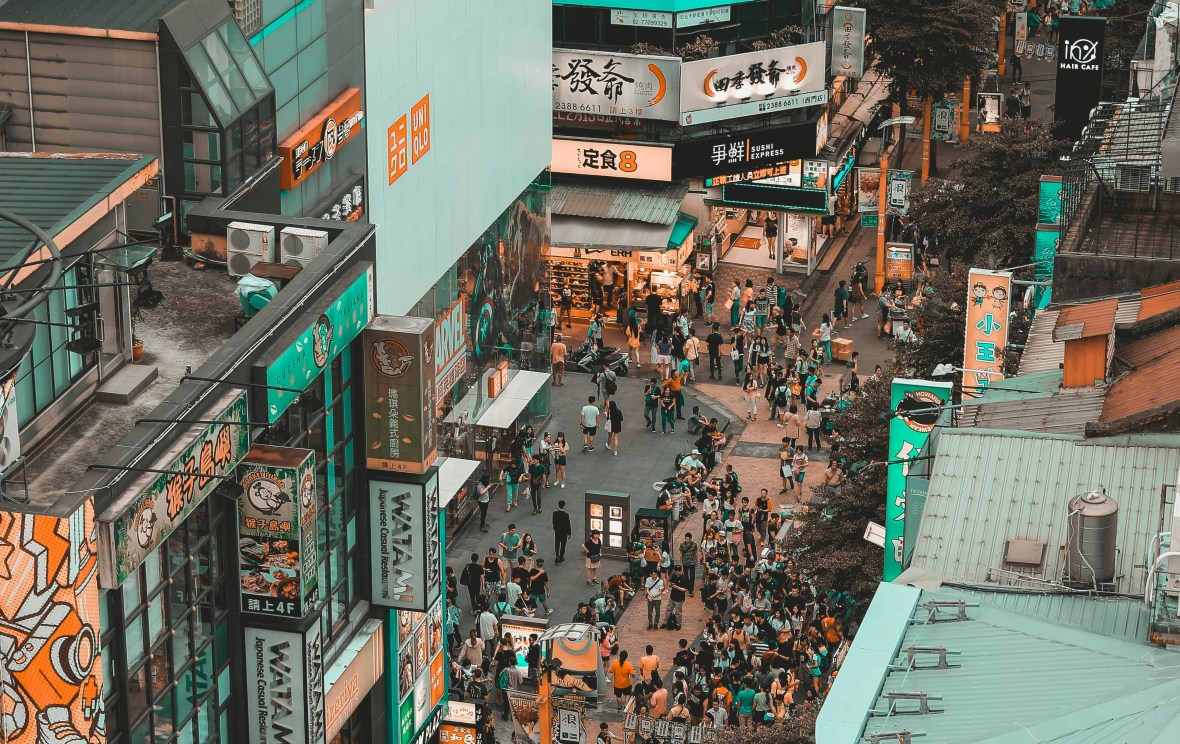
Population Density and Distribution: Where do People Live in Taiwan?
Geographic Concentration
Taiwan is a relatively small island with a land area of about 36,000 square kilometers (14,000 square miles), resulting in a high population density of approximately 647 people per square kilometer (1,740 people per square mile). However, this density is not uniform across the island. Urban centers like Taipei, New Taipei, Taoyuan, Taichung, Tainan, and Kaohsiung exhibit significantly higher concentrations of people compared to rural areas.
Northern Dominance
In Taiwan, the northern regions, particularly Taipei, New Taipei, and Taoyuan, are more densely populated than the southern regions. These areas form a major metropolitan zone that acts as the political, economic, and cultural heart of the island, attracting a large portion of the population due to robust infrastructure and job opportunities.
Central and Southern Cities
Cities like Taichung in central Taiwan and Tainan and Kaohsiung in the south are also key population centers. These cities are industrial and commercial hubs that offer a mix of urban amenities and cultural heritage, contributing to their significant population figures.
East-West Disparity
The population disparity between the western and eastern halves of Taiwan is profound, with the west being far more densely populated. The western lowlands are home to over ten times the population of the eastern regions, which are characterized by mountainous terrain and less urban development.

Demographic Trends: Is Taiwan Population Decreasing?
Population Fluctuations
Taiwan’s population peaked in January 2020 at 23,604,225 but saw a decline during the COVID-19 pandemic, reaching a low of 23,186,278 in June 2022. Since then, the population has slowly started to increase again.
Declining Birth Rates and Aging Population
Like many developed nations, Taiwan has experienced a decline in birth rates and an aging population. The birth rate plummeted from seven children per woman in 1951 to just 0.97 in 2021, far below the replacement rate. Factors such as urbanization, improved healthcare, increased education levels, and changing social norms have contributed to this demographic shift. The government has implemented policies to address these challenges, including healthcare reforms, pension system adjustments, and incentives to encourage childbirth and family-friendly policies.
Healthcare and Life Expectancy
Taiwan has made significant strides in healthcare, resulting in one of the highest life expectancies in the world. This, combined with a declining birth rate, has led to an aging population that presents unique challenges for the island’s social and economic systems.
Urbanization and Economic Development
Urbanization has been a key factor in Taiwan’s demographic changes. The rapid development of urban areas, especially in the western lowlands, has led to significant shifts in population distribution. Cities like Taipei, New Taipei, and Kaohsiung have transformed into bustling metropolises, attracting people from rural areas seeking better employment opportunities, education, and living standards.
Economic Hubs and Industrial Zones
Taiwan’s major cities are not only population centers but also economic hubs. Taipei is the political and economic center, hosting numerous multinational corporations, financial institutions, and cultural landmarks. Kaohsiung, as a major port city, plays a crucial role in maritime trade and industry. Taichung, with its strategic location, serves as a significant industrial and technological hub.

Migration and Diversity: Where do Taiwanese Come From?
Historical and Recent Migration
Taiwan’s population has been shaped significantly by international migration. Historically, significant migration occurred from mainland China following the Chinese Civil War in the late 1940s. In recent years, there has been a growing trend of international migration, with professionals, students, and workers from various countries choosing Taiwan for study, work, or settlement.
Foreign Residents
Taiwan is home to over 800,000 immigrants, expatriates, and foreign workers. The largest groups among these are from Indonesia, Vietnam, the Philippines, and Thailand. These communities contribute to Taiwan’s multicultural society and play vital roles in various economic sectors.
Ethnic Composition
Taiwan’s population is notably diverse. Most individuals identify with one of four primary ethnic categories:
- Han Chinese – The majority group, including Hoklo, Hakka, and Mainlander communities.
- Indigenous Peoples – The original inhabitants of Taiwan, comprising several distinct tribes with unique languages and cultures.
- Mainlanders – Those who migrated from mainland China around the mid-20th century.
- New Immigrants – Recent arrivals from various countries, adding to the cultural mosaic of Taiwan.
Mixed Ancestry
Many Taiwanese have mixed ancestry due to historical intermarriage, particularly during the 17th and 18th centuries. This trend has resurged recently, further enhancing the island’s ethnic diversity.
Cultural Integration and Multiculturalism
Taiwan’s government and society place a strong emphasis on cultural integration and multiculturalism. Various cultural festivals, educational programs, and community initiatives aim to celebrate and preserve the diverse cultural heritage of the island. This inclusive approach helps maintain social harmony and enriches Taiwan’s cultural landscape.
Future Demographic Challenges
Addressing the Aging Population
The aging population poses significant challenges for Taiwan. The government is actively working on policies to support the elderly, including healthcare reforms, pension system enhancements, and the development of senior-friendly infrastructure. Additionally, there are initiatives to encourage higher birth rates through family-friendly policies and incentives.
Sustainable Development and Urban Planning
As Taiwan continues to urbanize, sustainable development and urban planning are crucial. Efforts are being made to balance economic growth with environmental conservation, ensuring that urban expansion does not come at the cost of natural resources. Smart city initiatives and green technologies are being integrated into urban planning to create more livable and sustainable environments.

Education and Workforce Development
Investing in education and workforce development is key to Taiwan’s future. Enhancing educational infrastructure, promoting vocational training, and encouraging lifelong learning are essential to equip the population with the skills needed for a rapidly changing global economy. These efforts also aim to attract and retain talent from around the world, bolstering Taiwan’s position as a hub of innovation and industry.

Taiwan’s population is concentrated in the western lowlands, with major cities such as Taipei, New Taipei, Taoyuan, Taichung, Tainan, and Kaohsiung housing the majority. The island exhibits significant geographic and demographic diversity, shaped by historical and recent migration trends. Despite facing challenges such as an aging population and declining birth rates, Taiwan continues to thrive as a vibrant, multicultural society. Understanding these dynamics is crucial for comprehending the complexities of Taiwan’s demographic profile and planning for its future.
 Bubble Tea Island