
In the Chinese language, there are various ways to ask questions. Two commonly used question particles are 嗎 (ㄇㄚ˙ – ma) and 呢 (ㄋㄜ˙ – ne). These particles play a crucial role in transforming a statement into a question. Understanding how to properly use 嗎 and 呢 can greatly enhance your conversational skills in Chinese. In this article, we will explore the usage of these question particles and provide examples to help you grasp their nuances.
A summary of the vocabulary with Pinyin is available at the end
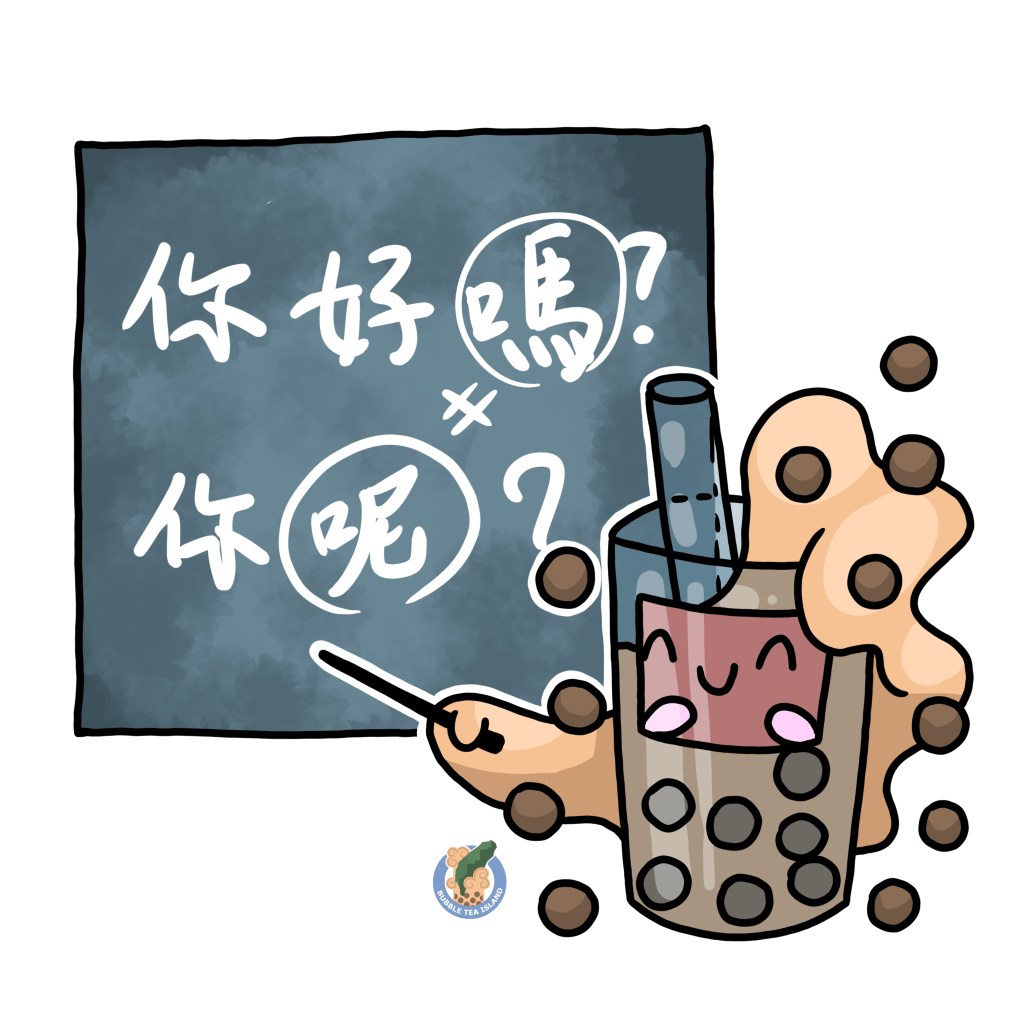
Ask a Question Using 嗎
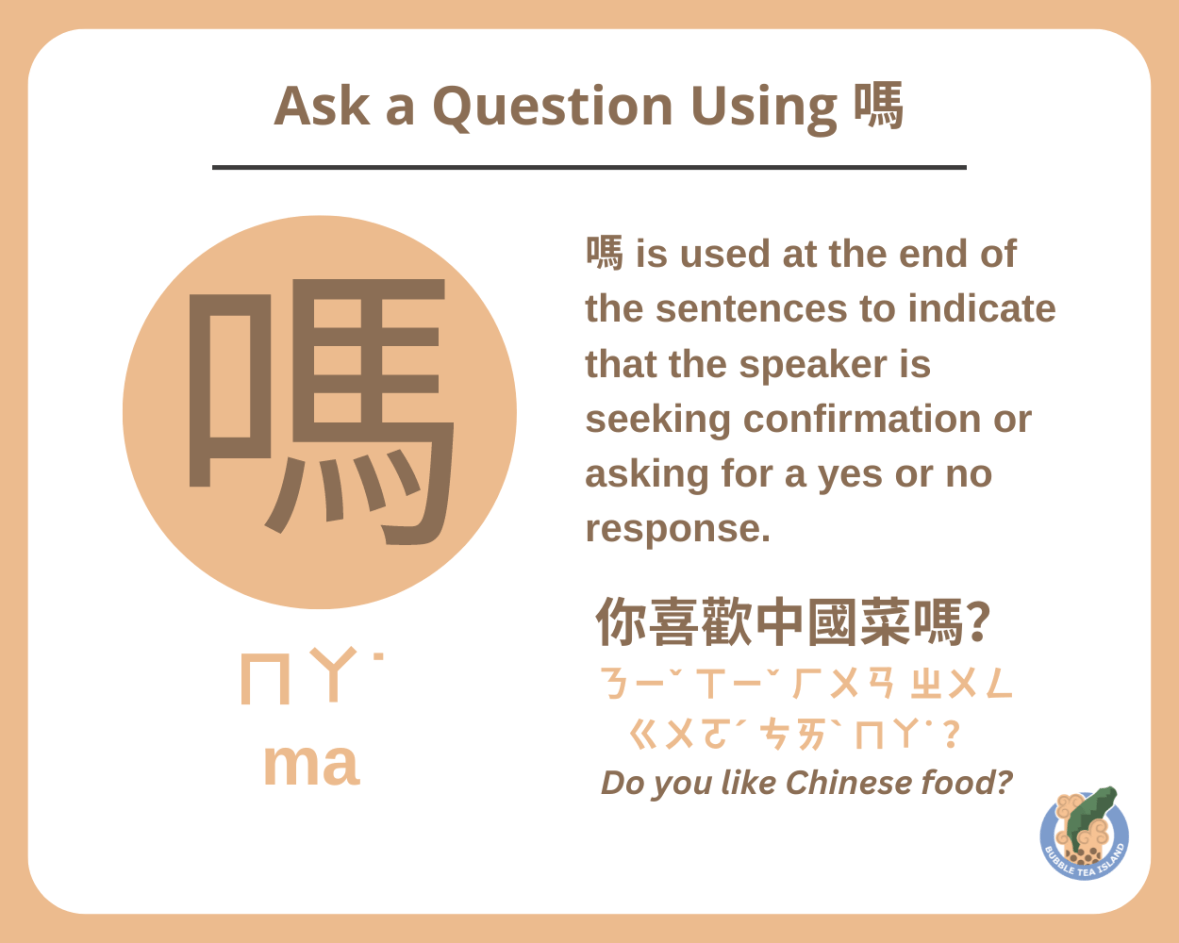
The question particle 嗎 (ㄇㄚ˙ – ma) is one of the most frequently used question particles in Mandarin Chinese. It is placed at the end of a sentence to transform it into a yes-no question. Here are three sample sentences that demonstrate the usage of 嗎:
- 你喜歡中國菜嗎? (ㄋㄧˇ ㄒㄧˇ ㄏㄨㄢ ㄓㄨㄥ ㄍㄨㄛˊ ㄘㄞˋ ㄇㄚ˙ ?) – Do you like Chinese food?
- 他會來參加派對嗎? (ㄊㄚ ㄏㄨㄟˋ ㄌㄞˊ ㄘㄢ ㄐㄧㄚ ㄆㄞˋ ㄉㄨㄟˋ ㄇㄚ˙ ?) – Will he come to the party?
- 這本書好看嗎? (ㄓㄜˋ ㄅㄣˇ ㄕㄨ ㄏㄠˇ ㄎㄢˋ ㄇㄚ˙ ?) – Is this book interesting?
In these examples, 嗎 is used at the end of the sentences to indicate that the speaker is seeking confirmation or asking for a yes or no response. It is important to note that the tone of voice used when pronouncing 嗎 should rise slightly at the end, indicating that it is a question.
Ask a Question Using 呢
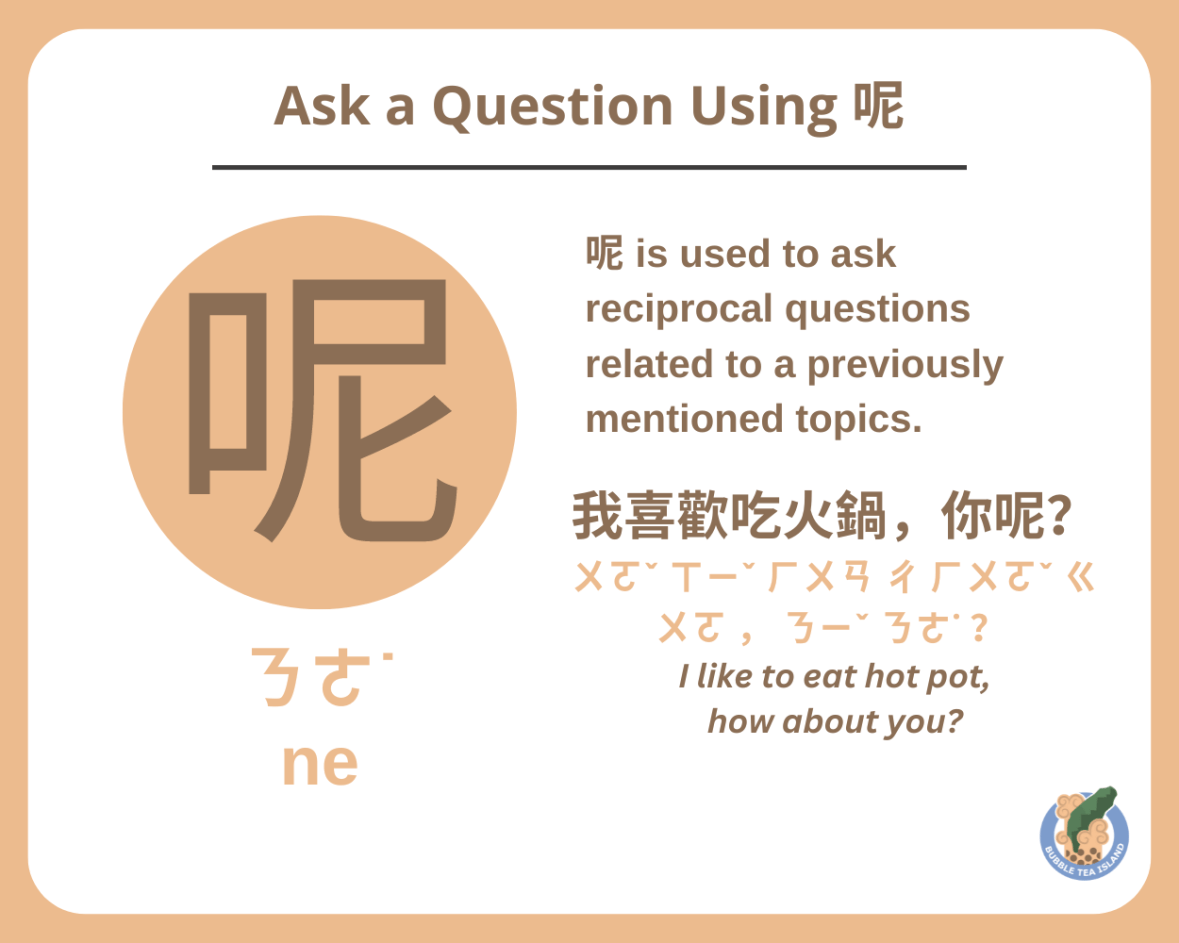
The question particle 呢 (ㄋㄜ˙ – ne) is also commonly used in Mandarin Chinese. Unlike 嗎, which is used to ask yes-no questions, 呢 is used to ask reciprocal questions related to a previously mentioned topics. Here are three sample sentences that illustrate the usage of 呢:
- 我喜歡吃火鍋,你呢? (ㄨㄛˇ ㄒㄧˇ ㄏㄨㄢ ㄔ ㄏㄨㄛˇ ㄍㄨㄛ , ㄋㄧˇ ㄋㄜ˙ ?) – I like to eat hot pot, how about you?
- 這件衣服很好看,你覺得呢? (ㄓㄜˋ ㄐㄧㄢˋ ㄧ ㄈㄨˊ ㄏㄣˇ ㄏㄠˇ ㄎㄢˋ , ㄋㄧˇ ㄐㄩㄝˊ ㄉㄜˊ ㄋㄜ˙ ?) – This dress is very nice, what do you think?
- 你爸爸好嗎?你媽媽呢? (ㄋㄧˇ ㄅㄚˋ ㄅㄚˋ ㄏㄠˇ ㄇㄚˊ ? ㄋㄧˇ ㄇㄚ ㄇㄚ ㄋㄜ˙ ?) – How is your father? How about your mom?
In these examples, 呢 is used to inquire about a previously mentioned topic. The tone of voice used when pronouncing 呢 should remain neutral, without a rising or falling tone.
呢 can also be used with question words to accentuate an inquiry. For instance, 呢 is employed to introduce an additional element of inquiry to the following questions:
- 你在做什麼呢? (ㄋㄧˇ ㄗㄞˋ ㄗㄨㄛˋ ㄕㄣˊ ㄇㄜ˙ ㄋㄜ˙ ?) – What are you doing?
- 他去哪裡玩呢? (ㄊㄚ ㄑㄩˋ ㄋㄚˇ ㄌㄧˇ ㄨㄢˊ ㄋㄜ˙ ?) – Where is he going to play?
- 你剛才去哪裡了呢? (ㄋㄧˇ ㄍㄤ ㄘㄞˊ ㄑㄩˋ ㄋㄚˇ ㄌㄧˇ ㄌㄧㄠˇ ㄋㄜ˙ ?) – Where did you just go?
Summary: Similarities and Differences Between 嗎 and 呢
Both 嗎 and 呢 serve as question particles in Mandarin Chinese, but they have distinct functions.
- 嗎 is used to form yes-no questions, seeking confirmation or a simple “yes” or “no” answer.
- On the other hand, 呢 is used to ask about a previously mentioned topics, seeking more detailed information.
- Both 嗎 and 呢 are used at the end of a sentence.
- Only 呢 can be used in combination with other question words to form more complex questions.
Summary of the Vocabulary
| Chinese | Bopomofo | Pinyin | English |
|---|---|---|---|
| 喜歡 | ㄒㄧˇ ㄏㄨㄢ | xǐ huān | to like |
| 中國菜 | ㄓㄨㄥ ㄍㄨㄛˊ ㄘㄞˋ | zhōng guó cài | Chinese cuisine |
| 參加 | ㄘㄢ ㄐㄧㄚ | cān jiā | To participate |
| 派對 | ㄆㄞˋ ㄉㄨㄟˋ | pài duì | party |
| 書 | ㄕㄨ | shū | book |
| 好看 | ㄏㄠˇ ㄎㄢ | hǎo kàn | good-looking; interesting |
| 吃 | ㄔ | chī | to eat |
| 火鍋 | ㄏㄨㄛˇ ㄍㄨㄛ | huǒ guō | hot pot |
| 衣服 | ㄧ ㄈㄨˊ | yī fú | clothing |
| 覺得 | ㄐㄩㄝˊ ㄉㄜ˙ | jué de | feel; think |
| 爸爸 | ㄅㄚˋ ㄅㄚ˙ | bà ba | father |
| 媽媽 | ㄇㄚ ㄇㄚ˙ | mā ma | mother |
| 做 | ㄗㄨㄛˋ | zuò | to do; make |
| 什麼 | ㄕㄣˊ ㄇㄜ˙ | shén me | what |
| 哪裡 | ㄋㄚˇ ㄌㄧˇ | nǎ lǐ | where |
| 去 | ㄑㄩˋ | qù | to go |
| 玩 | ㄨㄢˊ | wán | to play |
| 剛才 | ㄍㄤ ㄘㄞˊ | gāng cái | just now |
Understanding the usage of question particles 嗎 and 呢 is essential for effective communication in Mandarin Chinese. While 嗎 is used to ask yes-no questions, seeking confirmation, 呢 is used to inquire about ongoing actions, situations, or previously mentioned topics. By mastering these question particles, you can engage in meaningful conversations and further enhance your language skills in Chinese. Practice using 嗎 and 呢 in different contexts, and you will become more proficient in asking questions in Chinese.
Join our Substack “Mandarin Zest“, where we regularly share intermediate to advanced Chinese learning content. Make sure to subscribe!
 Bubble Tea Island