
Politeness and gratitude are highly valued in Chinese culture, and knowing how to respond to a “thank you” is an essential part of everyday interactions. In this article, we will explore eight different ways to say “You are welcome” in Chinese, offering you a variety of options to express your politeness and gratitude.
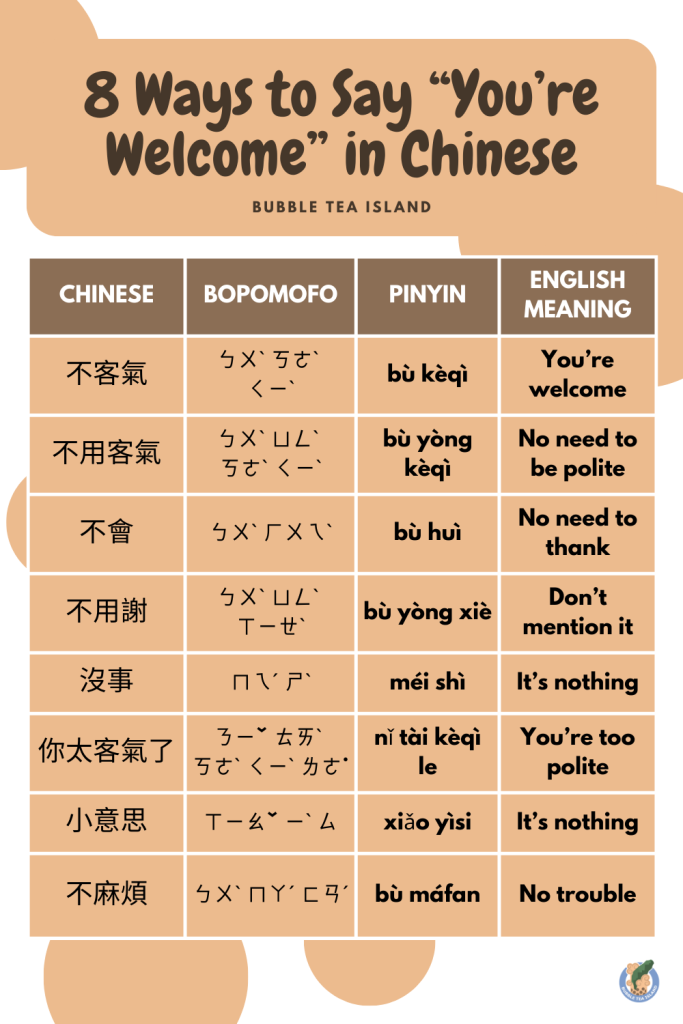
A summary of the expressions are available with Pinyin annotation at the end of the article.
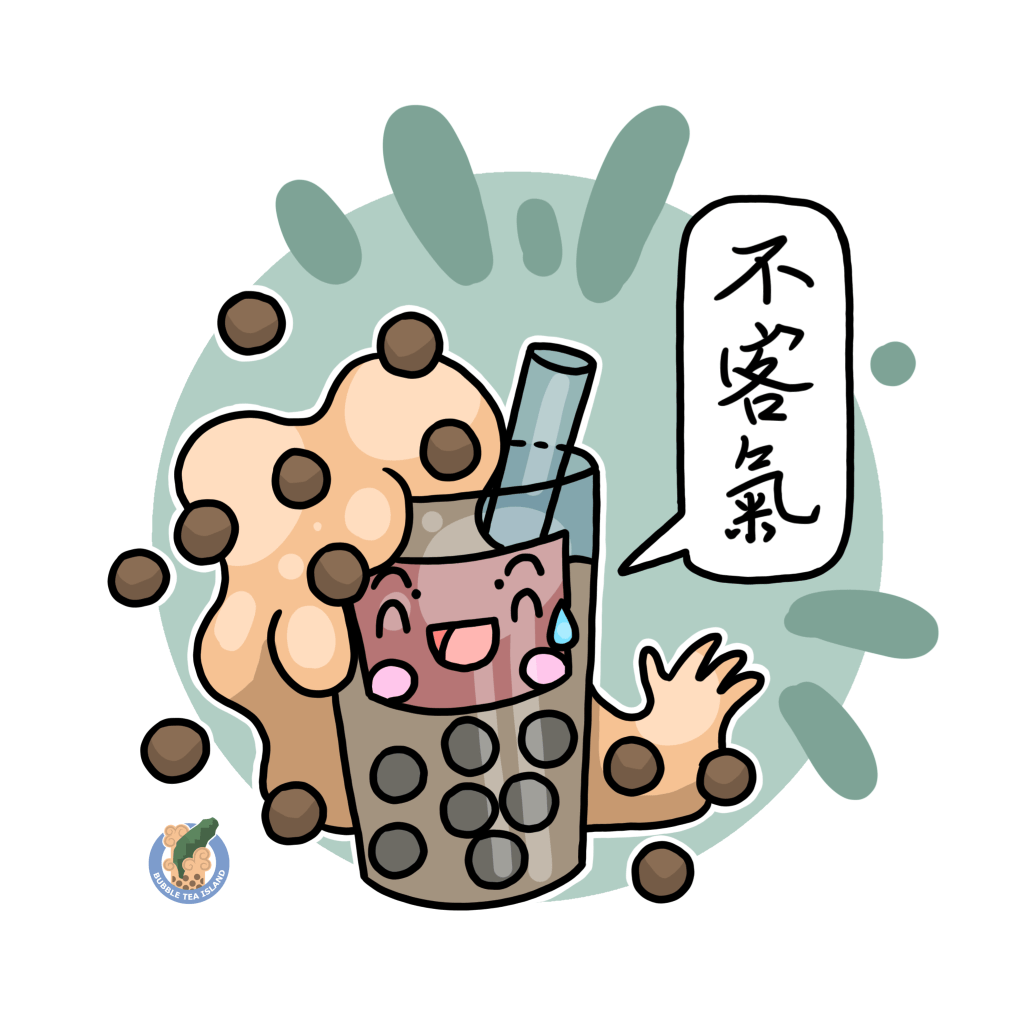
不客氣 (ㄅㄨˋ ㄎㄜˋ ㄑㄧˋ)
One of the most commonly used phrases to respond to “thank you” is “不客氣”. It directly translates to “you’re not being polite” or “don’t be polite” and is widely understood as a polite way of saying “You’re welcome” in Chinese. This phrase is suitable for both formal and informal situations and is considered a standard response to express one’s willingness to help without expecting anything in return.
不用客氣 (ㄅㄨˋ ㄩㄥˋ ㄎㄜˋ ㄑㄧˋ)
Similar to “不客氣,” “不用客氣” conveys the meaning of “You’re welcome” in Chinese. It can be translated as “no need to be polite” or “don’t bother to be polite.” This phrase is commonly used when someone thanks you for a small favor or gesture and you want to assure them that their gratitude is unnecessary.
不會 (ㄅㄨˋ ㄏㄨㄟˋ)
“不會” literally means “you don’t need to thank me” or “no need to thank.” This phrase is used when someone expresses their gratitude, and you want to emphasize that you did not go out of your way to help them. It implies that what you did was a natural or effortless act and didn’t require much effort or special skill.
不用謝 (ㄅㄨˋ ㄩㄥˋ ㄒㄧㄝˋ)
Similar to “不用客氣,” “不用謝” also means “You’re welcome” in Chinese. It can be translated as “no need to thank” or “don’t mention it.” This phrase is commonly used to respond to expressions of gratitude, especially for small or trivial acts of kindness.
沒事 (ㄇㄟˊ ㄕˋ)
When someone thanks you, another way to say “You’re welcome” in Chinese is “沒事”, which can be translated as “it’s nothing” or “no problem.” This phrase implies that the favor you did for someone was not a burden or inconvenience, and you’re happy to help them without expecting anything in return.
你太客氣了 (ㄋㄧˇ ㄊㄞˋ ㄎㄜˋ ㄑㄧˋ ㄌㄜ˙)
If you want to emphasize that the other person is being overly polite or considerate, you can say “你太客氣了”, which means “You’re too polite” or “You’re being too kind.” This response conveys appreciation for their gratitude while acknowledging their excessive politeness.
小意思 (ㄒㄧㄠˇ ㄧˋ ㄙ)
“小意思” is a colloquial way to say “You’re welcome” in Chinese. It can be translated as “it’s nothing” or “no big deal.” This phrase is often used among friends or in casual situations to downplay the significance of the favor or help provided.
不麻煩 (ㄅㄨˋ ㄇㄚˊ ㄈㄢˊ)
When someone thanks you for going out of your way or inconveniencing yourself, you can respond with “不麻煩”, which means “no trouble” or “not a bother.” This phrase conveys the message that you were happy to help and that their request or favor did not cause any inconvenience or trouble.
Summary
Join our Substack “Mandarin Zest“, where we regularly share intermediate to advanced Chinese learning content. Make sure to subscribe!
Knowing how to respond to gratitude is an important aspect of Chinese culture. While “不客氣” is the most commonly used way to say “You’re welcome” in Chinese, there are various other expressions that convey the same meaning. From “不用客氣” to “不麻煩”, each phrase adds a unique touch of politeness and gratitude to your response. By incorporating these eight ways to say “You are welcome” in Chinese, you can enhance your interactions and show appreciation for others’ gratitude.
 Bubble Tea Island