
Today, we journey into Taiwan’s fascinating history to uncover a captivating tale: the story of the Republic of Formosa. Imagine Taiwan’s past as a vibrant tapestry woven with threads of resistance, identity, and cultural revival. Among its many chapters, the short-lived Republic of Formosa stands out as a significant yet fleeting moment of self-determination.
The Republic of Formosa: A Brief Experiment in Sovereignty
In the late 19th century, China was grappling with political turmoil, and Taiwan, then a part of Qing Dynasty China, was deeply affected. From 1887 to 1891, Governor Liu Ming-chuan (劉銘傳) oversaw Taiwan’s development. During this time, intellectuals and artists fleeing Beijing’s restrictive environment settled in Taiwan, sparking a cultural and intellectual renaissance.
Local intellectuals, along with political leaders, grew increasingly discontented with the looming prospect of foreign domination. This unrest set the stage for Governor Tang Ching-sung (唐景宗) to take a bold step: on May 25, 1895, he declared the Republic of Formosa. This declaration symbolized Taiwan’s yearning to chart its own destiny amidst external pressures.
Ilha Formosa: The Beautiful Island
To understand the origin of Taiwan’s name, we must go back to the 16th century. Portuguese sailors, passing by the island around 1542, were struck by its stunning scenery and dubbed it Ilha Formosa, meaning “Beautiful Island.” This name endured in European literature and eventually became synonymous with Taiwan until the early 20th century.
Why Was the Republic Declared?
The seeds of this declaration were sown during the First Sino-Japanese War (1894-1895). When Japan emerged victorious, the Treaty of Shimonoseki granted Taiwan to Japan, a decision that many Taiwanese vehemently opposed. Instead of passively accepting the treaty’s terms, the people of Taiwan rallied together, determined to assert their right to self-governance.
A Unique Political Experiment
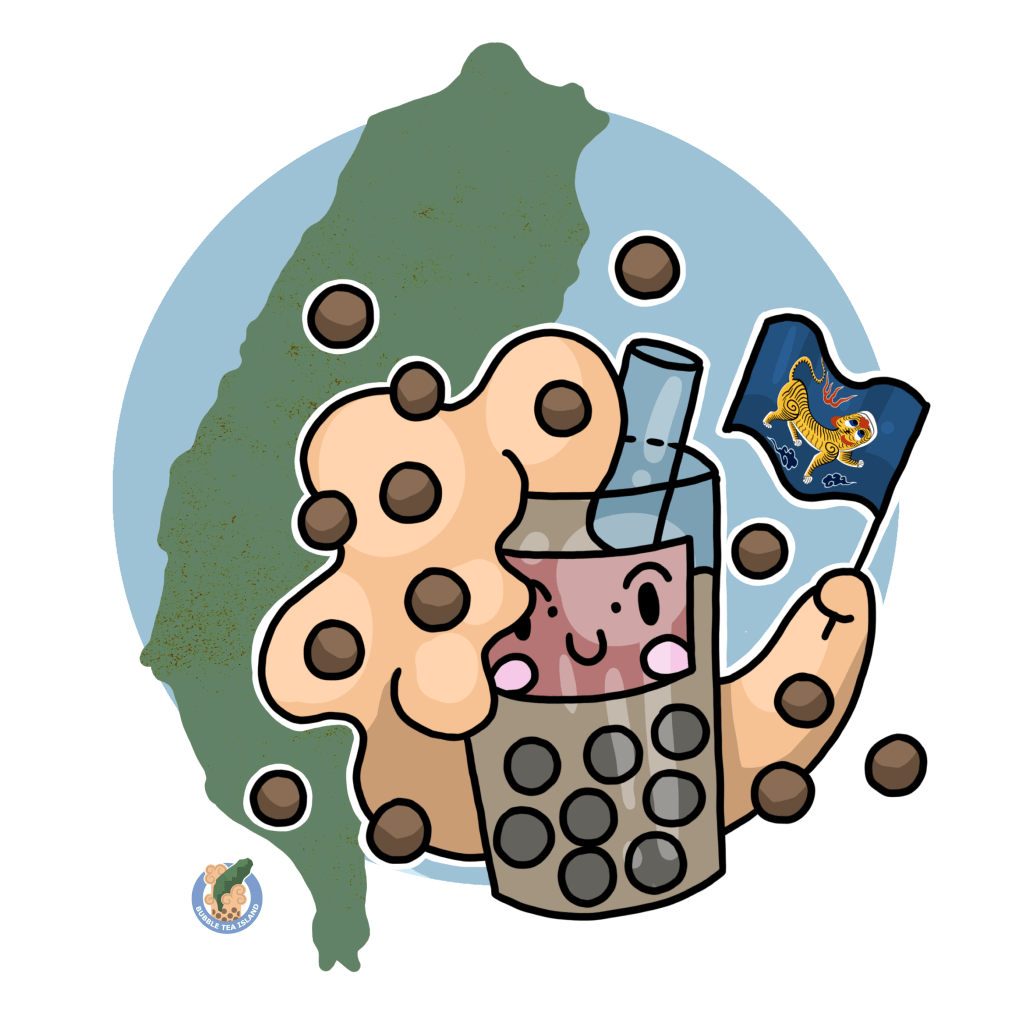
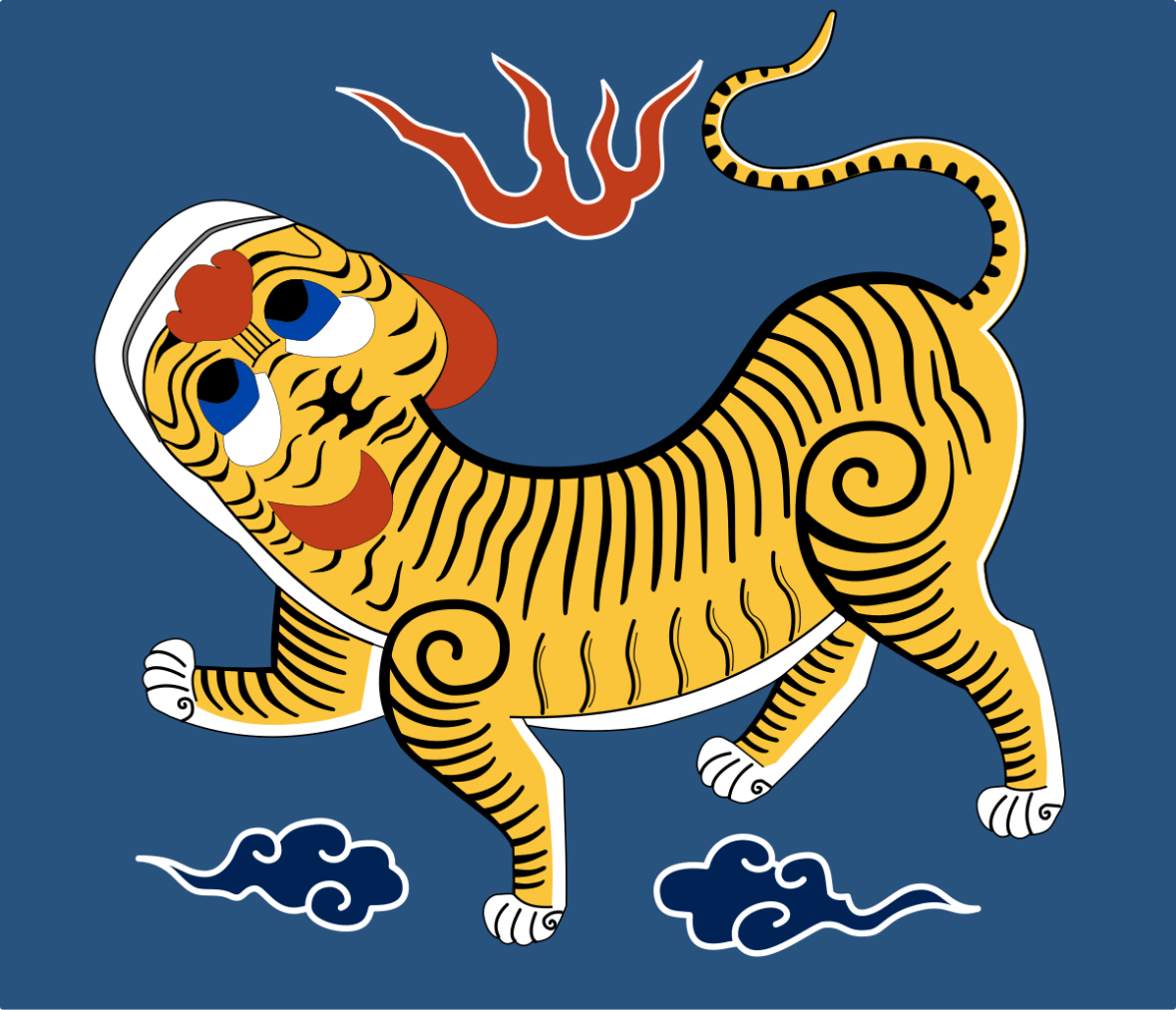
The Republic of Formosa introduced groundbreaking ideas for its time. Leaders were chosen through a rudimentary form of voting, a novel approach compared to the autocratic rule prevalent in the region. The Republic’s flag, featuring a yellow tiger, symbolized its aspirations for sovereignty while retaining cultural ties to the Qing Dynasty. This duality explains why modern Taiwanese independence activists often view the Republic with ambivalence—it represented a transitional phase rather than a definitive break from China.
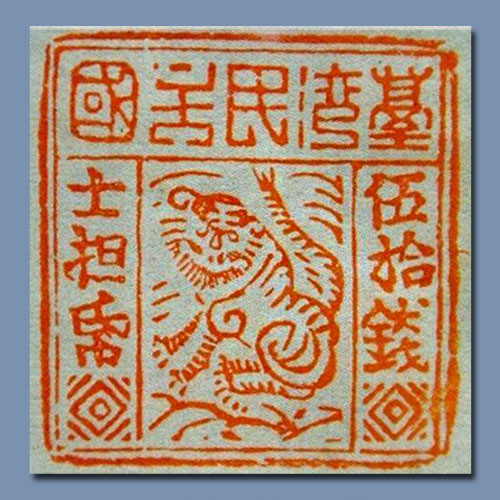
The Republic also issued its own currency and stamps, showcasing its efforts to establish an independent identity recognized by the world. Key figures like Chen Ki-tung (陳季同), who brought French-inspired ideas to Taiwan, played instrumental roles in shaping these symbols of autonomy.
Challenges and Resilience
Despite its ambitious vision, the Republic of Formosa faced overwhelming challenges. Leaders like Liu Yung-fu (劉永福) and Chiu Feng-chia (丘逢甲) became symbols of resistance. Liu, a seasoned military leader, and Chiu, a local hero, spearheaded efforts to defend Taiwan against Japanese forces.
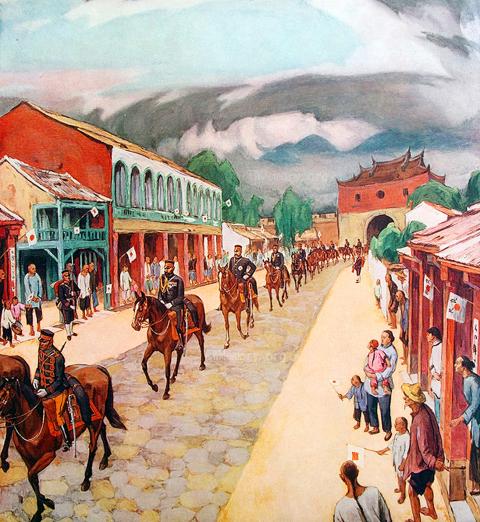
In May 1895, Japanese forces landed near Keelung, beginning their campaign to seize Taiwan. Governor Tang Ching-sung fled to the mainland shortly after the Japanese advance, leaving Liu Yung-fu to lead the resistance. Despite valiant efforts, including the Battle of Baguashan (八卦山戰役) in August 1895, the Republic ultimately succumbed to Japan’s superior military might. Tainan fell on October 21, marking the end of the Republic after just five months.
The Legacy of the Yellow Tiger Flag
Crafted during a pivotal juncture, the Yellow Tiger Flag soared above the Governor’s Office, signaling the birth of the Republic of Formosa. With Tang Ching-Sung, the former Governor, assuming the mantle of the President, the flag bore witness to a nation’s fervent stance against Japan’s looming dominion.
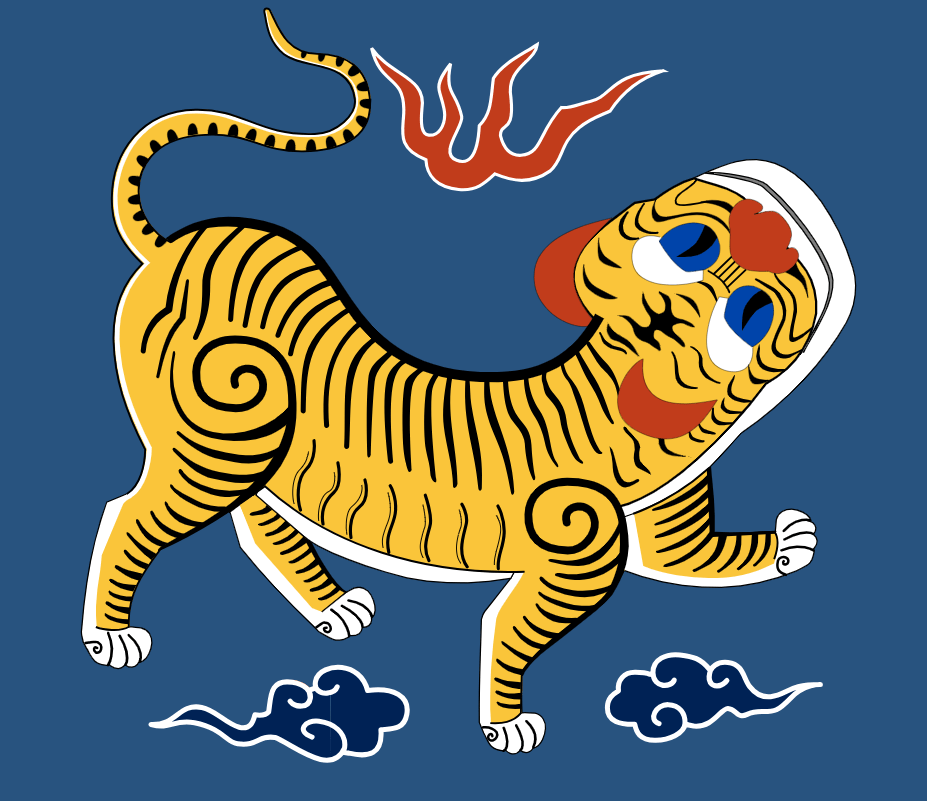
Conceived as a strategic maneuver, the Yellow Tiger Flag embodied the determination to safeguard Taiwan’s sovereignty. A striking departure from the dragon flag of the Qing government, the tiger motif was chosen for its potency and distinctiveness. Yet, certain characteristics of the flag, such as the clouds, for example, evoke reminiscences of Chinese art and culture, revealing a desire to maintain a strong connection with the “Chinese homeland.”
As history unfolded, three flags flew valiantly at different outposts – the Governor’s Office, the battery, and the customs station. Yet, destiny played its part, scattering these banners across time and space. One found its way to the Imperial Palace in Tokyo, becoming an artifact of a bygone era. Another, left to the mercy of rain and neglect, succumbed to nature’s forces. The third, fortunate in its fate, found a guardian in Ma Shi, a vigilant customs official.

The flag’s legacy endures through a meticulous replica created by the skilled hands of Japanese artist Takahashi. Now enshrined in the National Taiwan Museum, this masterpiece astounds with its accuracy and hidden secrets. A recent revelation showcases its dual-sided nature at the level the eyes: one facet portrays the majestic tiger basking in daylight, while the other captures its mystique in the moon’s luminescence.
Lessons from History
The story of the Republic of Formosa is more than a historical footnote; it’s a source of inspiration. It underscores Taiwan’s enduring desire for self-determination and the importance of resilience in the face of external threats. Today, as Taiwan continues to navigate its complex identity and geopolitical challenges, the legacy of the Republic reminds us of the power of unity and the courage to shape one’s destiny.
While modern advocates of Taiwanese independence may not directly align with the Republic of Formosa’s historical context, they share its foundational spirit: the pursuit of a future defined by self-governance and freedom.

So, there you have it, folks! The Republic of Formosa, a little piece of Taiwan’s history that’s filled with courage, resilience, and the unending quest for identity. It’s like a colorful thread in Taiwan’s intricate tapestry of stories. Stay curious and keep exploring these fascinating chapters from the past!
 Bubble Tea Island