
Time is an essential aspect of communication in any language, and Chinese is no exception. Whether you’re planning a meeting, catching up with friends, or simply need to be punctual, knowing how to express time in Chinese is crucial. In this article, we’ll guide you through the intricacies of asking for and conveying the time in Mandarin Chinese.
The Word for Time in Chinese
First of all, we are not going to teach you how to tell the time in Chinese without first telling you how to actually say the word for “time” in Chinese.
The most common way to say “time” in Chinese is 時間 (ㄕˊ ㄐㄧㄢ – shí jiān).

How to Ask for the Time
Before delving into the specifics of telling time in Chinese, it’s important to know how to ask for it. To inquire about the time in Mandarin, you can use the following phrases:
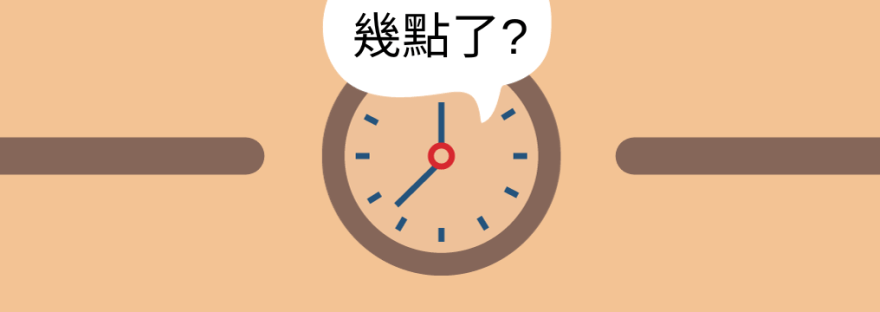
幾點了? (ㄐㄧ ㄉㄧㄢˇ ㄌㄜ˙ – jǐ diǎn le?)
This is the most common way to ask for the time. It literally translates to “What time is it?“
現在幾點? (ㄒㄧㄢˋ ㄗㄞˋ ㄐㄧ ㄉㄧㄢˇ ? – xiàn zài jǐ diǎn?)
This means “What time is it now?“
請問你知道現在的時間嗎?(ㄑㄧㄥˇ ㄨㄣˋ ㄋㄧˇ ㄓ ㄉㄠˋ ㄒㄧㄢˋ ㄗㄞˋ ㄉㄜ˙ ㄕˊ ㄐㄧㄢ ㄇㄚˊ ? – qǐng wèn nǐ zhī dào xiàn zài de shí jiān ma?)
This is a very polite way to ask for the time. It literally means “May I ask you what the current time is?“
請問 [XXX] 是什麼時候?(ㄑㄧㄥˇ ㄨㄣˋ [XXX] ㄕˋ ㄕㄣˊ ㄇㄜ˙ ㄕˊ ㄏㄡˋ ? – Qǐng wèn [XXX] shì shén me shí hòu?)
This question is used to ask when a particular event is taking place. You simply have to replace [XXX] with the event in question.
For example, 請問中文課是什麼時候? (ㄑㄧㄥˇ ㄨㄣˋ ㄓㄨㄥ ㄨㄣˊ ㄎㄜˋ ㄕˋ ㄕㄣˊ ㄇㄜ˙ ㄕˊ ㄏㄡˋ ?) – “At what time is the Chinese class?

The Hours in Chinese
There are two words to say “hour” in Chinese:
- 小時 (ㄒㄧㄠˇ ㄕˊ – xiǎo shí) – hour (Formal)
- 鐘頭 (ㄓㄨㄥ ㄊㄡˊ – zhōng tóu) – hour (Informal)
These two words are used to refer to an hour as a unit of time. For example:
從台北到台中坐火車需要兩小時。 (ㄘㄨㄥˊ ㄊㄞˊ ㄅㄟˇ ㄉㄠˋ ㄊㄞˊ ㄓㄨㄥ ㄗㄨㄛˋ ㄏㄨㄛˇ ㄔㄜ ㄒㄩ ㄧㄠˋ ㄌㄧㄤˇ ㄒㄧㄠˇ ㄕˊ – cóng Táiběi dào Táizhōng zuò huǒchē xūyào liǎng xiǎoshí)
In Taiwan, expressing the hours is relatively straightforward. Just like in the US, the numbers 1 to 12 are used to represent the hours on a clock. To specify AM and PM, you need to use time references such as “morning” or “evening.” More about time references will be discussed further in this article.
If you’ve forgotten how to say the numbers, please check out our article on the topic.
To tell the time, simply combine the number with the word “點(鐘) (ㄉㄧㄢˇ ( ㄓㄨㄥ ) – diǎn (zhōng)),” which means “o’clock.” For example:
- 三點 (ㄙㄢ ㄉㄧㄢˇ – sān diǎn) means “3 o’clock.”
Remember that when enumerating things, such as time, 兩 (ㄌㄧㄤˇ – liǎng) is used for “two” instead of 二.
The Minutes in Chinese
In Chinese, the word for minute is 分鐘 (ㄈㄣ ㄓㄨㄥ – fēn zhōng). This word is used to refer to minutes as a unit of time. For example:
我去辦公室需要 30 分鐘。(ㄨㄛˇ ㄑㄩˋ ㄅㄢˋ ㄍㄨㄥ ㄕˋ ㄒㄩ ㄧㄠˋ 30 ㄈㄣ ㄓㄨㄥ – Wǒ qù bàn gōng shì xū yào 30 fēn zhōng.)
Telling the minutes as precise time in Chinese is also straightforward. You can use numbers from 1 to 59 to represent the minutes. To express minutes, you add “分 (ㄈㄣ – fēn)” after the number, and then you place it immediately after the hour. For example:
- 4點15分 means “4:15.”
The Seconds in Chinese
Seconds are bit special, while the word 秒鐘 (ㄇㄧㄠˇ ㄓㄨㄥ – miǎo zhōng) exists, it is rarely used, and people instead simply use the word 秒 alone. For example:
回覆一封電子郵件需要 20 秒。(ㄏㄨㄟˊ ㄈㄨˋ ㄧ ㄈㄥ ㄉㄧㄢˋ ㄗˇ ㄧㄡˊ ㄐㄧㄢˋ ㄒㄩ ㄧㄠˋ 20 ㄇㄧㄠˇ – huí fù yī fēng diàn zǐ yóu jiàn xū yào 20 miǎo)
While expressing seconds is less common in everyday conversation, you can follow the same pattern as minutes by adding “秒 (ㄇㄧㄠˇ – miǎo)” after the number, which you place then right after the hour. For instance:
- 6點30分20秒 means “6:30:20”.
Half and Quarter
To express “half past” or “quarter past” the hour, you can use these phrases:
- 半 (ㄅㄢˋ – bàn) means “half.” For example, 三點半 means “3:30.”
- 刻 (ㄎㄜˋ – kè) means “quarter.” For example, 五點一刻 means “5:15.”
Time References of the Day
In Chinese, there are specific phrases used to refer to different parts of the day. Here is a list of the most common time references in Chinese.
| Chinese | Bopomofo | Pinyin | English |
|---|---|---|---|
| 早晨 | ㄗㄠˇ ㄔㄣˊ | zǎo chén | early morning |
| 日出 | ㄖˋ ㄔㄨ | rì chū | sunrise |
| 下午 | ㄒㄧㄚˋ ㄨˇ | xià wǔ | afternoon |
| 晚上 | ㄨㄢˇ ㄕㄤˋ | wǎn shàng | evening |
| 中午 | ㄓㄨㄥ ㄨˇ | zhōng wǔ | noon |
| 日落 | ㄖˋ ㄌㄨㄛˋ | rì luò | sunset |
| 夜裡 | ㄧㄝˋ ㄌㄧˇ | yè lǐ | at night |
| 半夜 | ㄅㄢˋ ㄧㄝˋ | bàn yè | midnight |
| 凌晨 | ㄌㄧㄥˊ ㄔㄣˊ | líng chén | before dawn |
You can use these time references to specify whether it is AM or PM when stating the time. For example:
- 早上九點 (ㄗㄠˇ ㄕㄤˋ ㄐㄧㄡˇ ㄉㄧㄢˇ – zǎo shang jiǔ diǎn) means “9 o’clock in the morning.”
Time Adverbs
In addition to the basic expressions, you can use time-related adverbs to provide more context to your statements. Here are a few common ones:
| Chinese | Bopomofo | Pinyin | English |
|---|---|---|---|
| 現在 | ㄒㄧㄢˋ ㄗㄞˋ | xiàn zài | now |
| 目前 | ㄇㄨˋ ㄑㄧㄢˊ | mù qián | currently |
| 同時 | ㄊㄨㄥˊ ㄕˊ | tóng shí | meanwhile / at the same time |
| 以前 | ㄧˇ ㄑㄧㄢˊ | yǐ qián | before |
| 之前 | ㄓ ㄑㄧㄢˊ | zhī qián | before |
| 以後 | ㄧˇ ㄏㄡˋ | yǐ hòu | after |
| 之後 | ㄓ ㄏㄡˋ | zhī hòu | after |
| 很快 | ㄏㄣˇ ㄎㄨㄞˋ | hěn kuài | soon |
| 立刻 | ㄌㄧˋ ㄎㄜˋ | lì kè | immediately |
| 很久 | ㄏㄣˇ ㄐㄧㄡˇ | hěn jiǔ | for a long time |
| 盡快 | ㄐㄧㄣˋ ㄎㄨㄞˋ | jìn kuài | as soon as possible |
| 任何時候 | ㄖㄣˋ ㄏㄜˊ ㄕˊ ㄏㄡˋ | rèn hé shí hou | any time |
For example, you can say:
- 我目前正在專心複習考試。(ㄨㄛˇ ㄇㄨˋ ㄑㄧㄢˊ ㄓㄥˋ ㄗㄞˋ ㄓㄨㄢ ㄒㄧㄣ ㄈㄨˋ ㄒㄧˊ ㄎㄠˇ ㄕˋ – wǒ mù qián zhèng zài zhuān xīn fù xí kǎo shì) meaning “I am currently concentrating on reviewing for the exam.”
Learning how to tell time in Chinese is a valuable skill for communication and daily life. With these expressions and phrases, you can confidently ask for the time and convey it effectively, ensuring you stay punctual and well-informed in Mandarin-speaking environments.

Join our Substack “Mandarin Zest“, where we regularly share intermediate to advanced Chinese learning content. Make sure to subscribe!
 Bubble Tea Island