
Dates are a fundamental part of our daily lives, helping us keep track of important events and occasions. Understanding how to express and write dates in the Chinese language is a valuable skill, especially for those looking to communicate effectively with native speakers. In this comprehensive guide, we will delve into the nuances of expressing dates in Chinese, covering years, months, days, and more.
The Chinese Date Format
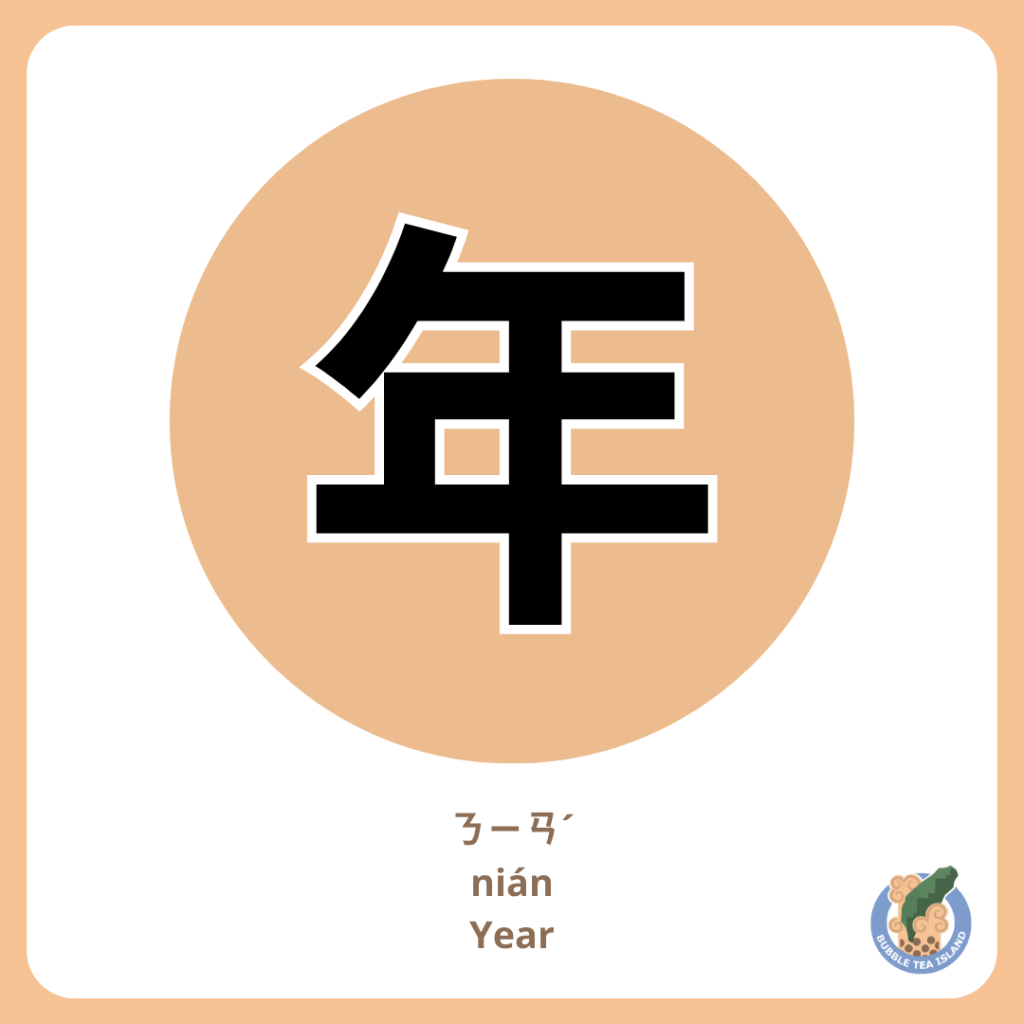
In the Chinese language, dates are structured in a specific order: Year – Month – Date. This is represented by the Chinese characters 年 (ㄋㄧㄢˊ – nián) for year, 月 (ㄩㄝˋ – yuè) for month, and 日 (ㄖˋ – rì) or 號 (ㄏㄠˋ – hào) for day. Mastering this format is essential for conveying dates in Chinese effectively. Let’s break down each component in more detail.

How to Write the Year in Chinese
When expressing the year in Chinese, you read each number in the year individually and then append the character 年 (ㄋㄧㄢˊ – nián).
For instance:
- 2023年 is read as ㄦˋ ㄌㄧㄥˊ ㄦˋ ㄙㄢ ㄋㄧㄢˊ – èr líng èr sān nián.
In formal contexts, such as wedding invitations or official documents, the year is often written using characters. For example, 2023 can be written as 二零二三年. It’s crucial to remember that when speaking or writing the year, the character 年 is mandatory. Omitting it would render the numbers as a meaningless string. For example:
- 今年是哪一年? (ㄐㄧㄣ ㄋㄧㄢˊ ㄕˋ ㄋㄚˇ ㄧ ㄋㄧㄢˊ ?) – What year is it this year?
- 今年是2023年 (ㄐㄧㄣ ㄋㄧㄢˊ ㄕˋ 2023 ㄋㄧㄢˊ) – This year is 2023.
Months in Chinese
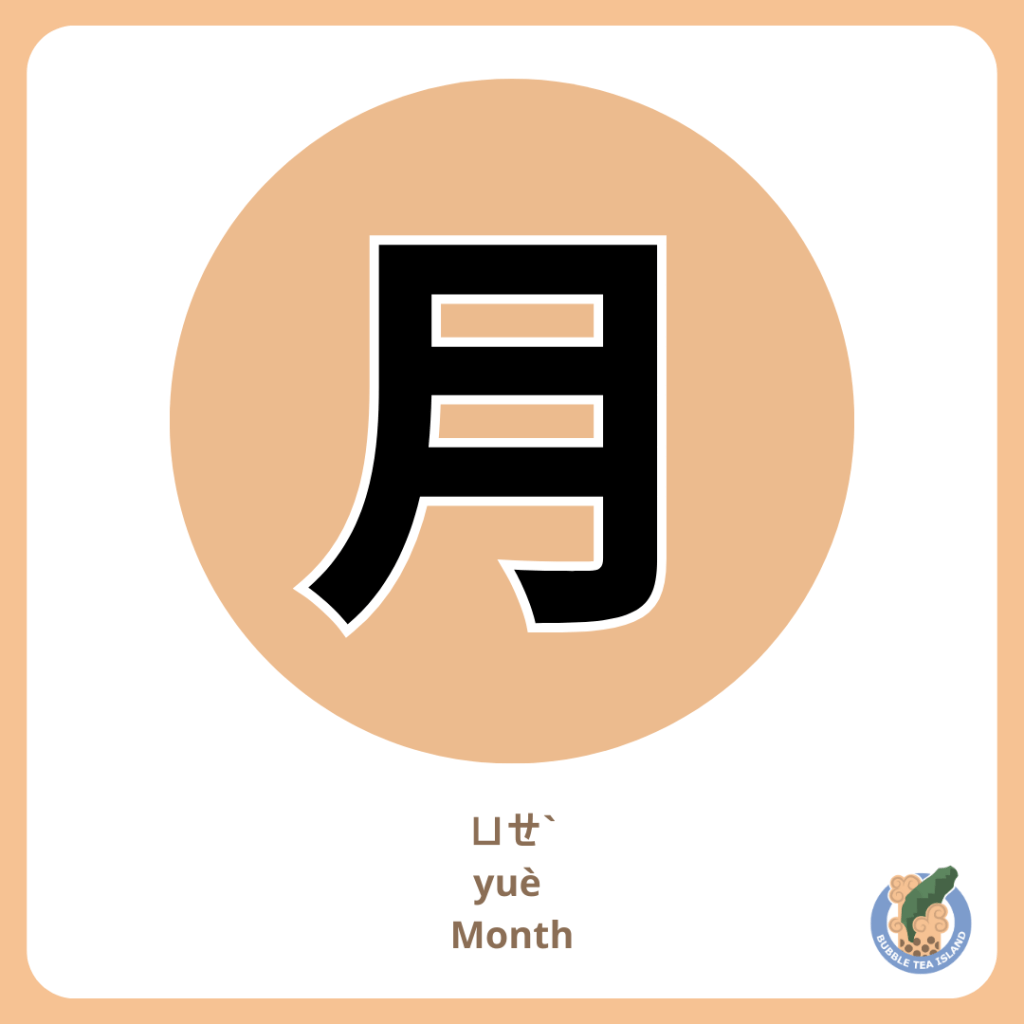
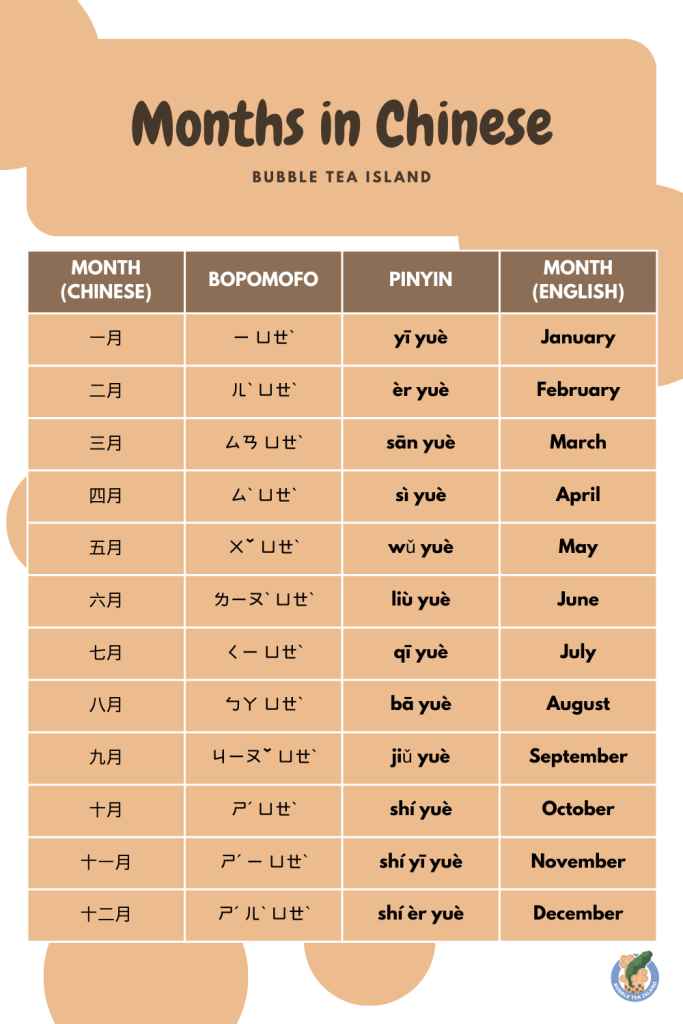
Expressing months in Chinese is straightforward. You simply add the character 月 (ㄩㄝˋ – yuè) after the number representing the month.
Here are the months in Chinese:
| Month (Chinese) | Bopomofo | Pinyin | Month (English) |
|---|---|---|---|
| 一月 | ㄧ ㄩㄝˋ | yī yuè | January |
| 二月 | ㄦˋ ㄩㄝˋ | èr yuè | February |
| 三月 | ㄙㄢ ㄩㄝˋ | sān yuè | March |
| 四月 | ㄙˋ ㄩㄝˋ | sì yuè | April |
| 五月 | ㄨˇ ㄩㄝˋ | wǔ yuè | May |
| 六月 | ㄌㄧㄡˋ ㄩㄝˋ | liù yuè | June |
| 七月 | ㄑㄧ ㄩㄝˋ | qī yuè | July |
| 八月 | ㄅㄚ ㄩㄝˋ | bā yuè | August |
| 九月 | ㄐㄧㄡˇ ㄩㄝˋ | jiǔ yuè | September |
| 十月 | ㄕˊ ㄩㄝˋ | shí yuè | October |
| 十一月 | ㄕˊ ㄧ ㄩㄝˋ | shí yī yuè | November |
| 十二月 | ㄕˊ ㄦˋ ㄩㄝˋ | shí èr yuè | December |
Days in Chinese
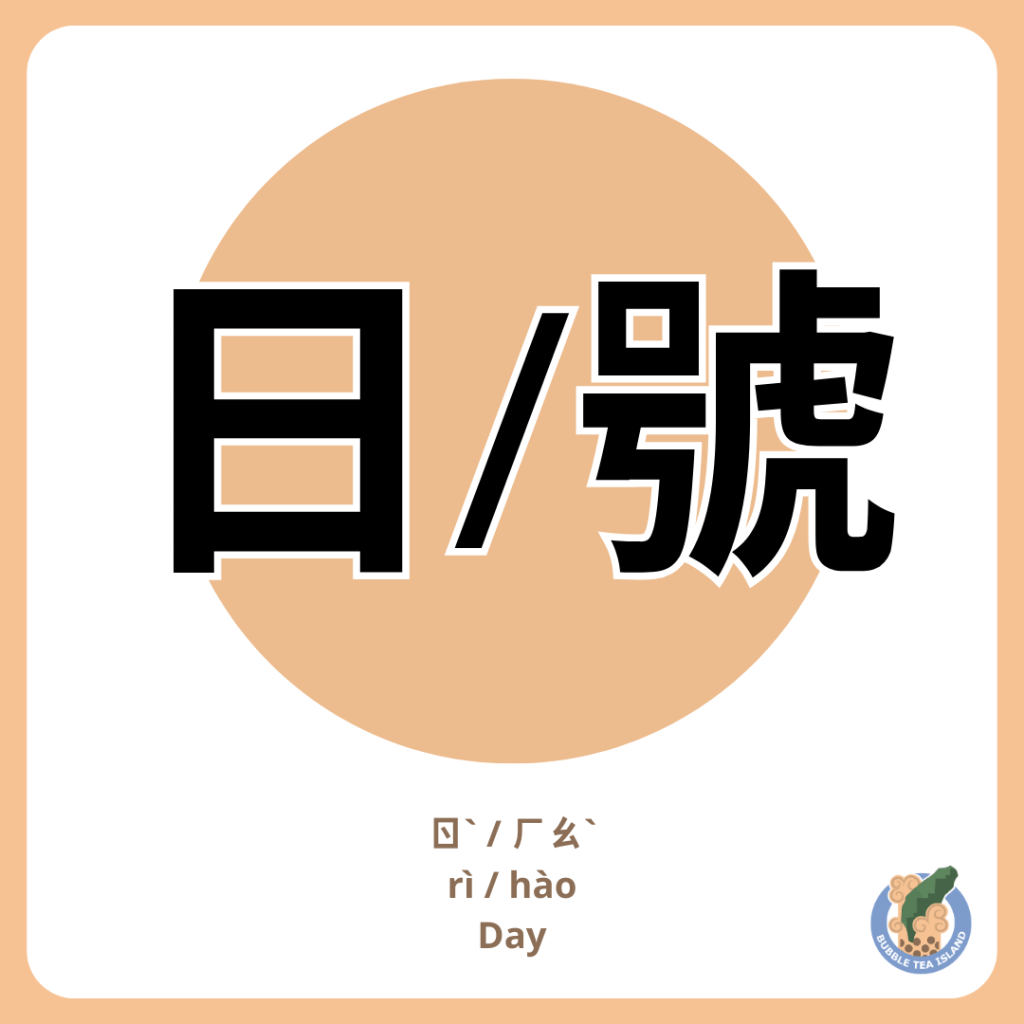
Dates in Chinese are expressed by combining the number representing the date with either the character 日 (ㄖˋ – rì) or 號 (ㄏㄠˋ – hào). For instance, the 21st can be written as 21日 or 21號. Both are commonly used, with the only difference being that 日 is more common in written language, while 號 is more prevalent in spoken language.
This is also an excellent opportunity to learn vocabulary related to yesterday, today, and tomorrow. Here are sample sentences:
- 昨天十六號 (ㄗㄨㄛˊ ㄊㄧㄢ ㄕˊ ㄌㄧㄡˋ ㄏㄠˋ) – Yesterday was the 16th.
- 今天十七號 (ㄐㄧㄣ ㄊㄧㄢ ㄕˊ ㄑㄧ ㄏㄠˋ) – Today is the 17th.
- 明天十八號 (ㄇㄧㄥˊ ㄊㄧㄢ ㄕˊ ㄅㄚ ㄏㄠˋ) – Tomorrow is the 18th.
| Chinese | Bopomofo | Pinyin | English |
|---|---|---|---|
| 前天 | ㄑㄧㄢˊ ㄊㄧㄢ | qián tiān | The day before yesterday |
| 昨天 | ㄗㄨㄛˊ ㄊㄧㄢ | zuó tiān | Yesterday |
| 今天 | ㄐㄧㄣ ㄊㄧㄢ | jīn tiān | Today |
| 明天 | ㄇㄧㄥˊ ㄊㄧㄢ | míng tiān | Tomorrow |
| 後天 | ㄏㄡˋ ㄊㄧㄢ | hòu tiān | The day after tomorrow |
Days of the Week in Chinese
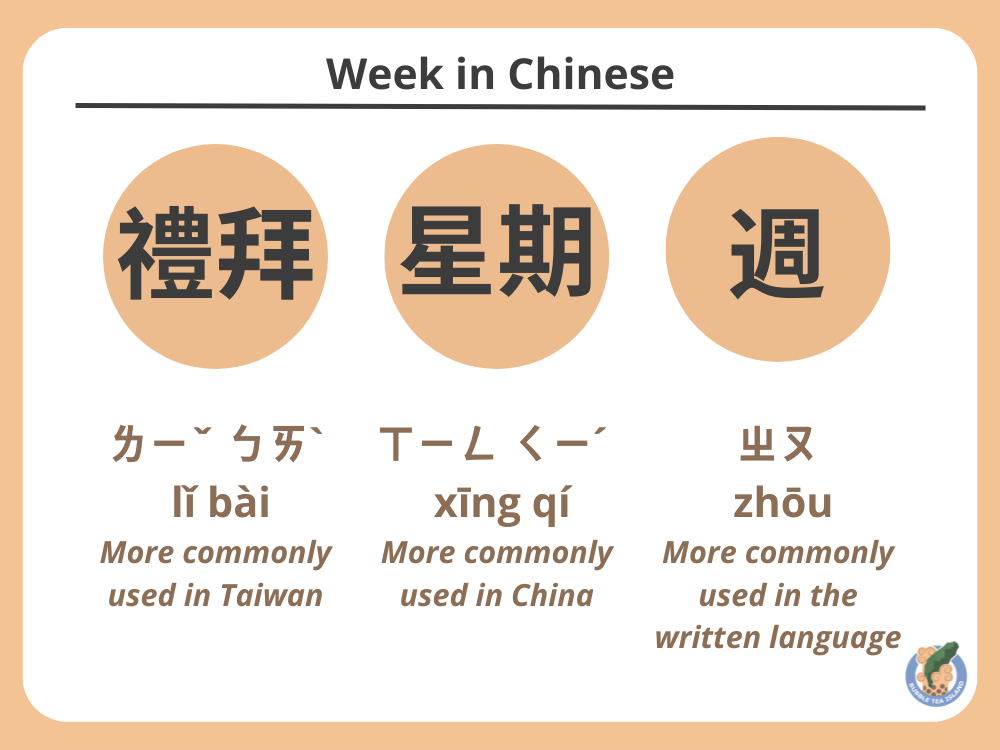
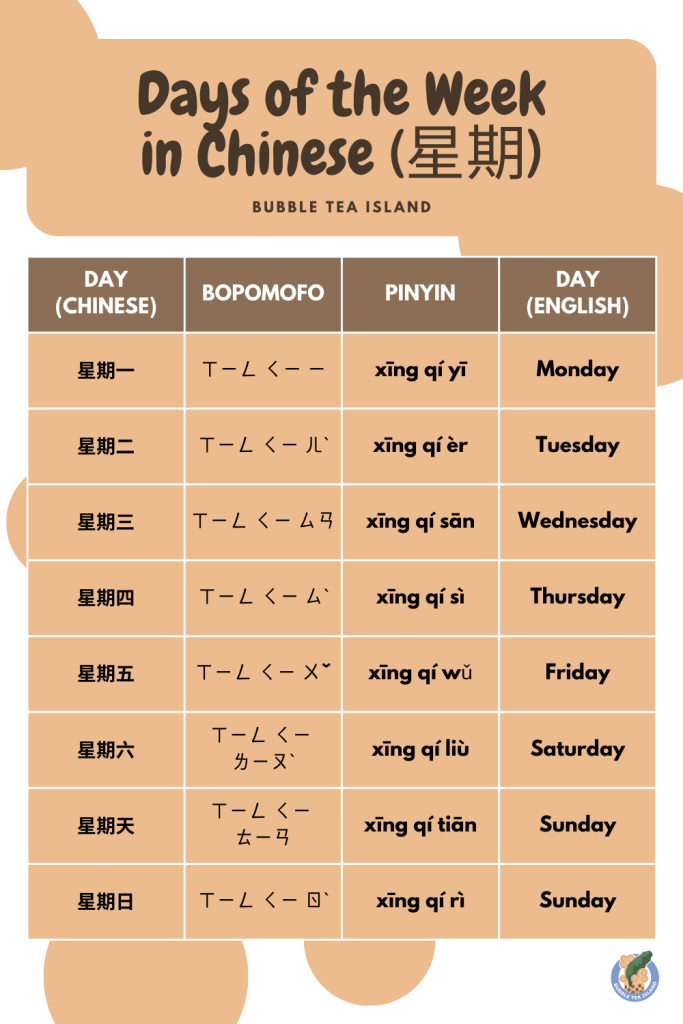
The days of the week in Chinese are as straightforward as the months. There are two common ways to say “week” in Chinese: 禮拜 (ㄌㄧˇ ㄅㄞˋ – lǐ bài) is more commonly used in Taiwan, while 星期 (ㄒㄧㄥ ㄑㄧˊ – xīng qí) is more commonly used in China.
To express the days of the week, simply add the numbers from one to six after “week” for Monday to Saturday, and either 天 or 日 for Sunday (here again, the difference lies in whether it’s spoken or written language, with the former being more common in spoken language, while the latter is more prevalent in written language).
| Day (Chinese) | Bopomofo | Pinyin | Day (English) |
|---|---|---|---|
| 禮拜一 | ㄌㄧˇ ㄅㄞˋ ㄧ | lǐ bài yī | Monday |
| 禮拜二 | ㄌㄧˇ ㄅㄞˋ ㄦˋ | lǐ bài èr | Tuesday |
| 禮拜三 | ㄌㄧˇ ㄅㄞˋ ㄙㄢ | lǐ bài sān | Wednesday |
| 禮拜四 | ㄌㄧˇ ㄅㄞˋ ㄙˋ | lǐ bài sì | Thursday |
| 禮拜五 | ㄌㄧˇ ㄅㄞˋ ㄨˇ | lǐ bài wǔ | Friday |
| 禮拜六 | ㄌㄧˇ ㄅㄞˋ ㄌㄧㄡˋ | lǐ bài liù | Saturday |
| 禮拜天 | ㄌㄧˇ ㄅㄞˋ ㄊㄧㄢ | lǐ bài tiān | Sunday |
| 禮拜日 | ㄌㄧˇ ㄅㄞˋ ㄖˋ | lǐ bài rì | Sunday |
| Day (Chinese) | Bopomofo | Pinyin | Day (English) |
|---|---|---|---|
| 星期一 | ㄒㄧㄥ ㄑㄧ ˊ ㄧ | xīng qí yī | Monday |
| 星期二 | ㄒㄧㄥ ㄑㄧˊ ㄦˋ | xīng qí èr | Tuesday |
| 星期三 | ㄒㄧㄥ ㄑㄧˊ ㄙㄢ | xīng qí sān | Wednesday |
| 星期四 | ㄒㄧㄥ ㄑㄧ ˊ ㄙˋ | xīng qí sì | Thursday |
| 星期五 | ㄒㄧㄥ ㄑㄧ ˊ ㄨˇ | xīng qí wǔ | Friday |
| 星期六 | ㄒㄧㄥ ㄑㄧ ˊ ㄌㄧㄡˋ | xīng qí liù | Saturday |
| 星期天 | ㄒㄧㄥ ㄑㄧˊ ㄊㄧㄢ | xīng qí tiān | Sunday |
| 星期日 | ㄒㄧㄥ ㄑㄧˊ ㄖˋ | xīng qí rì | Sunday |
An alternative way to express the days of the week, which is commonly used in written language, is to use 週 (ㄓㄡ – zhōu).
| Day (Chinese) | Bopomofo | Pinyin | Day (English) |
|---|---|---|---|
| 週一 | ㄓㄡ ㄧ | zhōu yī | Monday |
| 週二 | ㄓㄡ ㄦˋ | zhōu èr | Tuesday |
| 週三 | ㄓㄡ ㄙㄢ | zhōu sān | Wednesday |
| 週四 | ㄓㄡ ㄙˋ | zhōu sì | Thursday |
| 週五 | ㄓㄡ ㄨˇ | zhōu wǔ | Friday |
| 週六 | ㄓㄡ ㄌㄧㄡˋ | zhōu liù | Saturday |
| 週日 | ㄓㄡ ㄖˋ | zhōu rì | Sunday |
Note that, since this is mostly written language, on this occasion, Sunday can only be expressed with 日.
Asking About Dates in Chinese
Once you’ve learned how to express dates, months, years, and days of the week, asking about this information becomes easy with the addition of one more character: 幾 (ㄐㄧˇ – jǐ), which is a question word for numbers. Here are some examples of questions related to dates in Chinese:
- 幾月幾號? (ㄐㄧˇ ㄩㄝˋ ㄐㄧˇ ㄏㄠˋ ?) – What’s the month and date?
- 今天幾月幾號星期幾? (ㄐㄧㄣ ㄊㄧㄢ ㄐㄧˇ ㄩㄝˋ ㄐㄧˇ ㄏㄠˋ ㄒㄧㄥ ㄑㄧ ㄐㄧˇ ?) – What’s today’s date? (asking about month, date, and day of the week)
- 禮拜幾? (ㄌㄧˇ ㄅㄞˋ ㄐㄧˇ ?) – What day of the week?
- 今天禮拜幾? (ㄐㄧㄣ ㄊㄧㄢ ㄌㄧˇ ㄅㄞˋ ㄐㄧˇ ?) – What’s the day of the week?
Extra Vocabulary
Here you will find a list of some extra vocabulary related to dates.
| Chinese | Bopomofo | Pinyin | English |
|---|---|---|---|
| 日期 | ㄖˋ ㄑㄧ | rì qī | Date |
| 日曆 | ㄖˋ ㄌㄧˋ | rì lì | Calendar (Gregorian) |
| 農曆 | ㄋㄨㄥˊ ㄌㄧˋ | nóng lì | Lunar calendar |
| 周末週末 | ㄓㄡ ㄇㄛˋ ㄓㄡ ㄇㄛˋ | zhōu mò | Weekend |
| 這個禮拜 | ㄓㄜˋ ㄍㄜˋ ㄌㄧˇ ㄅㄞˋ | zhè ge lǐ bài | This week |
| 上個禮拜 | ㄕㄤˋ ㄍㄜˋ ㄌㄧˇ ㄅㄞˋ | shàng gè lǐ bài | Last week |
| 下個禮拜 | ㄒㄧㄚˋ ㄍㄜˋ ㄌㄧˇ ㄅㄞˋ | xià gè lǐ bài | Next week |
| 本月 | ㄅㄣˇ ㄩㄝˋ | běn yuè | This month |
| 上個月 | ㄕㄤˋ ㄍㄜˋ ㄩㄝˋ | shàng gè yuè | Last month |
| 下個月 | ㄒㄧㄚˋ ㄍㄜˋ ㄩㄝˋ | xià gè yuè | Next month |
| 今年 | ㄐㄧㄣ ㄋㄧㄢˊ | jīn nián | This year |
| 去年 | ㄑㄩˋ ㄋㄧㄢˊ | qù nián | Last year |
| 明年 | ㄇㄧㄥˊ ㄋㄧㄢˊ | míng nián | Next year |
| 間隔年 | ㄐㄧㄢ ㄍㄜˊ ㄋㄧㄢˊ | jiàn gé nián | Gap year |
| 生日 | ㄕㄥ ㄖˋ | shēng rì | Birthday |
| 出生日期 | ㄔㄨ ㄕㄥ ㄖˋ ㄑㄧ | chū shēng rì qí | Date of birth |
Summary


Learning to express and understand dates in Chinese is an essential skill that can help you navigate Chinese culture and language more effectively. Whether you’re planning an event, scheduling appointments, or simply having a conversation, mastering the art of expressing dates will enhance your language abilities and enable you to connect with native speakers more seamlessly. So, practice expressing dates in Chinese and use your newfound knowledge to celebrate unique events and engage in meaningful conversations.

Join our Substack “Mandarin Zest“, where we regularly share intermediate to advanced Chinese learning content. Make sure to subscribe!
 Bubble Tea Island