
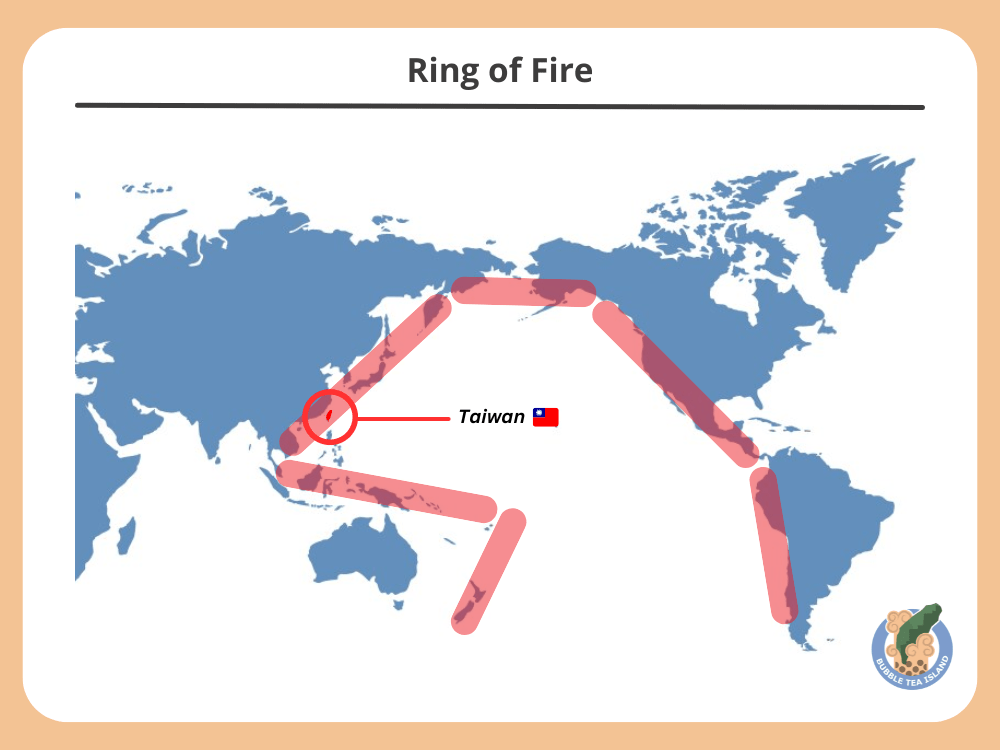
Taiwan, positioned on the edge of the Pacific Ring of Fire, is highly susceptible to earthquakes due to its location along active tectonic plate boundaries. Earthquake preparedness is crucial for both residents and visitors. This guide covers the causes of earthquakes in Taiwan, historical seismic events, and important safety tips to stay safe during an earthquake.
Why Does Taiwan Have Earthquakes?
Taiwan is located at the intersection of the Eurasian and Philippine Sea plates, two tectonic plates that are in constant motion. Their collision results in the frequent seismic activity experienced across the island. Taiwan’s location within the Ring of Fire further increases its exposure to earthquakes.
Key Reasons for Earthquakes in Taiwan:
- Plate tectonics: The ongoing collision between the Eurasian and Philippine Sea plates.
- Active fault lines: Taiwan’s numerous fault lines increase the likelihood of seismic events.
- Ring of Fire: The island is situated within this highly seismic region of the Pacific Ocean.
Historical Earthquakes in Taiwan
Taiwan has experienced several devastating earthquakes, some of which have caused significant damage and loss of life. These events underscore the importance of earthquake preparedness on the island.
Notable Earthquakes:
- 1999 Jiji Earthquake (921 Earthquake): A magnitude 7.6 earthquake that claimed more than 2,400 lives and caused widespread damage, particularly in central Taiwan. It was one of the deadliest earthquakes in Taiwan’s modern history.
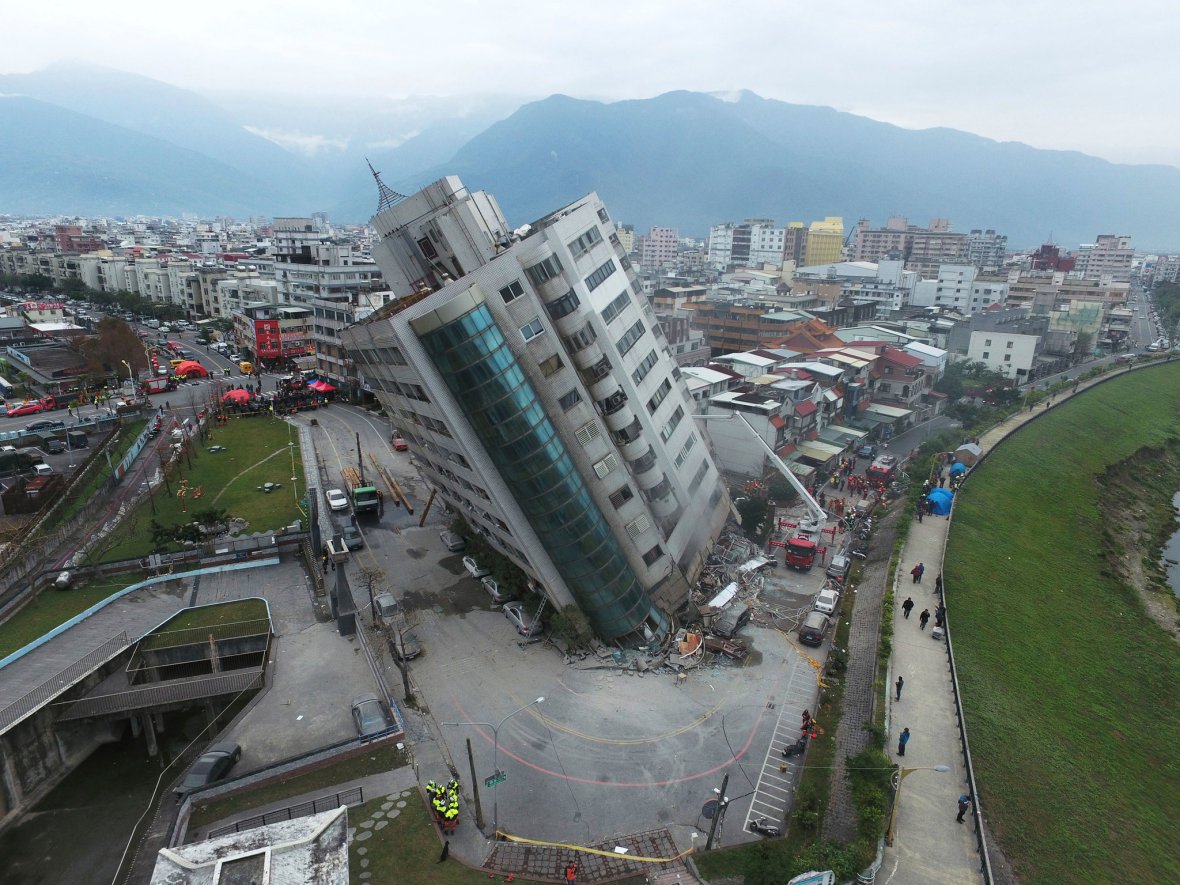
- Hualien Earthquake (2018): Measuring 6.4 on the Richter scale, this earthquake struck the eastern city of Hualien, killing 17 people and causing significant damage to buildings. The quake demonstrated Taiwan’s vulnerability, especially along the eastern fault lines.
- Tainan Earthquake (2016): A magnitude 6.4 earthquake struck southern Taiwan, collapsing a residential building and resulting in over 100 deaths. This event led to a reevaluation of building safety standards in Taiwan.
- 2024 Hualien Earthquake: On April 3, 2024, a magnitude 7.4 earthquake hit 15 km south of Hualien City. This earthquake was the strongest in Taiwan since the 1999 Jiji earthquake. It resulted in 18 fatalities and over 1,100 injuries.
Earthquake Preparedness in Taiwan
Given the high frequency of earthquakes in Taiwan, the government and local organizations have invested heavily in public safety education and early warning systems. Regular drills are held to ensure that residents are familiar with earthquake safety protocols.
Earthquake Preparedness Tips:
- Emergency Exits: Familiarize yourself with emergency exit routes in your home, workplace, or hotel.
- Emergency Kit: Prepare an emergency kit with essentials like water, food, flashlight, first-aid supplies, and important documents.
- Safe Zones: Identify safe areas such as sturdy tables or door frames where you can take cover during an earthquake.
- Securing Heavy Objects: Fasten heavy furniture and appliances to walls to prevent them from toppling during an earthquake.
- Use Earthquake Apps: Taiwan’s Central Weather Bureau (CWB) offers apps that provide real-time earthquake alerts.
Government and Emergency Response
Taiwan has one of the world’s most advanced earthquake monitoring systems. The Central Weather Bureau (CWB) monitors seismic activity across the island and provides Earthquake Early Warnings (EEW), which are sent out seconds before an earthquake hits, giving people a critical window to prepare.
Earthquake Warning Systems:
- EEW Alerts: These early warnings can be received through mobile phones and broadcast systems.
- SMS Alerts: Taiwan’s mobile networks automatically send out earthquake alerts via SMS.
- TV and Radio Broadcasts: Alerts are also issued via television and radio channels to ensure the widest possible audience is informed.
Seismic Building Codes in Taiwan
Following the devastating 1999 Jiji earthquake, Taiwan strengthened its building codes to ensure that new constructions are more resistant to seismic activity. This has significantly reduced the damage and loss of life in more recent quakes.
Key Building Features:
- Reinforced Structures: Buildings are constructed with steel and concrete reinforcements to withstand tremors.
- Shock Absorbers: Many high-rise buildings are equipped with seismic dampers that absorb and reduce the shaking.
- Routine Inspections: Buildings are regularly inspected for compliance with seismic safety standards.
Safety Tips for Tourists
If you’re visiting Taiwan, it’s crucial to understand the local earthquake protocols. Earthquakes can strike without warning, so being prepared is the best way to stay safe.
Safety Tips:
- Stay Informed: Download earthquake alert apps and stay tuned to local alerts.
- Drop, Cover, and Hold On: In the event of an earthquake, get under sturdy furniture to protect yourself from falling debris.
- Evacuate if Necessary: If near the coast, move to higher ground after a quake to avoid potential tsunamis.
Taiwan’s location on the Pacific Ring of Fire makes it prone to frequent earthquakes. Understanding the geological reasons behind the seismic activity, learning from historical events like the 2024 Hualien Earthquake, and being prepared for future quakes are essential steps for both residents and visitors. Taiwan’s government and local agencies work tirelessly to ensure public safety, but personal preparedness is equally important.
For real-time earthquake updates, visit the Taiwan Central Weather Administration to stay informed and prepared.
FAQs: Earthquakes in Taiwan
How often do earthquakes occur in Taiwan?
Taiwan experiences thousands of small earthquakes each year, but only a handful are strong enough to be felt. Major quakes happen less frequently.
Is it safe to travel to Taiwan given that earthquakes can occur at any time?
Yes, while earthquakes are common, most are minor. Following safety protocols ensures that visitors can stay safe even during seismic activity.
What should I do if I experience an earthquake in Taiwan?
Stay calm. Drop, cover, and hold on under sturdy furniture. Follow local authorities’ guidance if evacuations are necessary.
 Bubble Tea Island