

Taiwan, due to its geographical location in the Northwest Pacific, experiences frequent and intense typhoons. This tropical cyclone activity significantly impacts Taiwan’s climate, society, economy, and daily life. Here’s everything you need to know about typhoons in Taiwan, from when they occur and how they form, to the measures the government and residents take to stay safe.
Typhoon Season in Taiwan
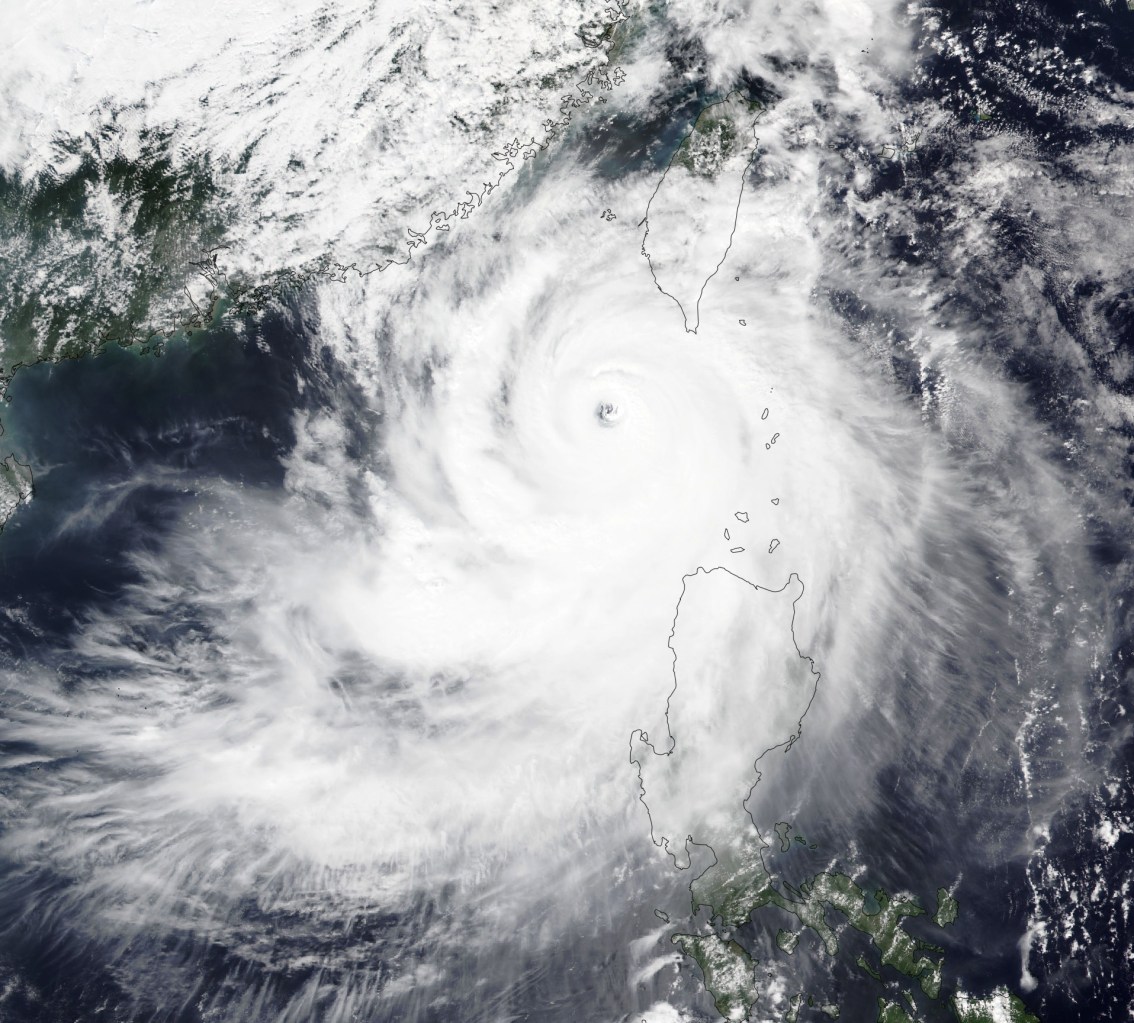
Taiwan is particularly vulnerable to typhoons, experiencing around 3-4 typhoons annually. While typhoons can happen from June to October, the peak season typically spans from July to September. During this time, warm ocean temperatures and favorable atmospheric conditions in the Pacific create an ideal environment for typhoons to develop and strengthen as they approach Taiwan. However, typhoons have also struck outside this season, so it’s wise for residents and visitors to stay informed year-round.
The 2001 Typhoon Nari serves as a reminder of the severe flooding that can occur, particularly in cities like Taipei. If you’re planning to live in Taiwan, understanding typhoon risks and proper preparedness is essential.
Should you visit Taiwan during Typhoon Season?
Visiting Taiwan during typhoon season has both advantages and disadvantages. The main benefit is fewer crowds. With fewer tourists around, you’ll often find shorter lines, more availability at hotels, and lower accommodation prices, especially in popular destinations. Additionally, the rainy season during this time makes Taiwan’s landscapes particularly lush and green, adding to the beauty of the island.
However, typhoon season can also bring disruptions due to heavy rain, strong winds, and potential flooding. Typhoons may lead to cancellations of flights, trains, and ferries, and some outdoor attractions might be temporarily closed. This can be an issue if your plans include outdoor activities, like hiking, beach visits, or island hopping, which may need to be adjusted last minute.
If you’re planning a visit to Taiwan during this season, staying flexible is key. It’s a good idea to keep your itinerary adaptable and consider booking accommodations with free cancellation policies. Staying updated on weather forecasts and tracking typhoons with a reliable app is also essential, as it helps you adjust plans quickly. You could focus more on indoor activities, such as exploring Taiwan’s museums, vibrant night markets, or historic temples, which are perfect for rainy days. Also, be mindful of where you stay—while eastern Taiwan (Hualien and Taitung) tends to face stronger typhoons, Taipei and the western coast are generally less impacted.
How Typhoons Form
A typhoon begins as a tropical disturbance, which is an area of low pressure with scattered thunderstorms over warm waters. If this system persists and its conditions align—mainly warm sea surface temperatures and minimal wind shear—the disturbance can intensify into a tropical depression. As it grows stronger, it can escalate into a tropical storm and, eventually, a typhoon when wind speeds exceed 74 mph (119 km/h). Typhoons that hit Taiwan often originate in the warm waters of the Northwest Pacific, east of the Philippines, and can vary greatly in strength.
Categories of Typhoons
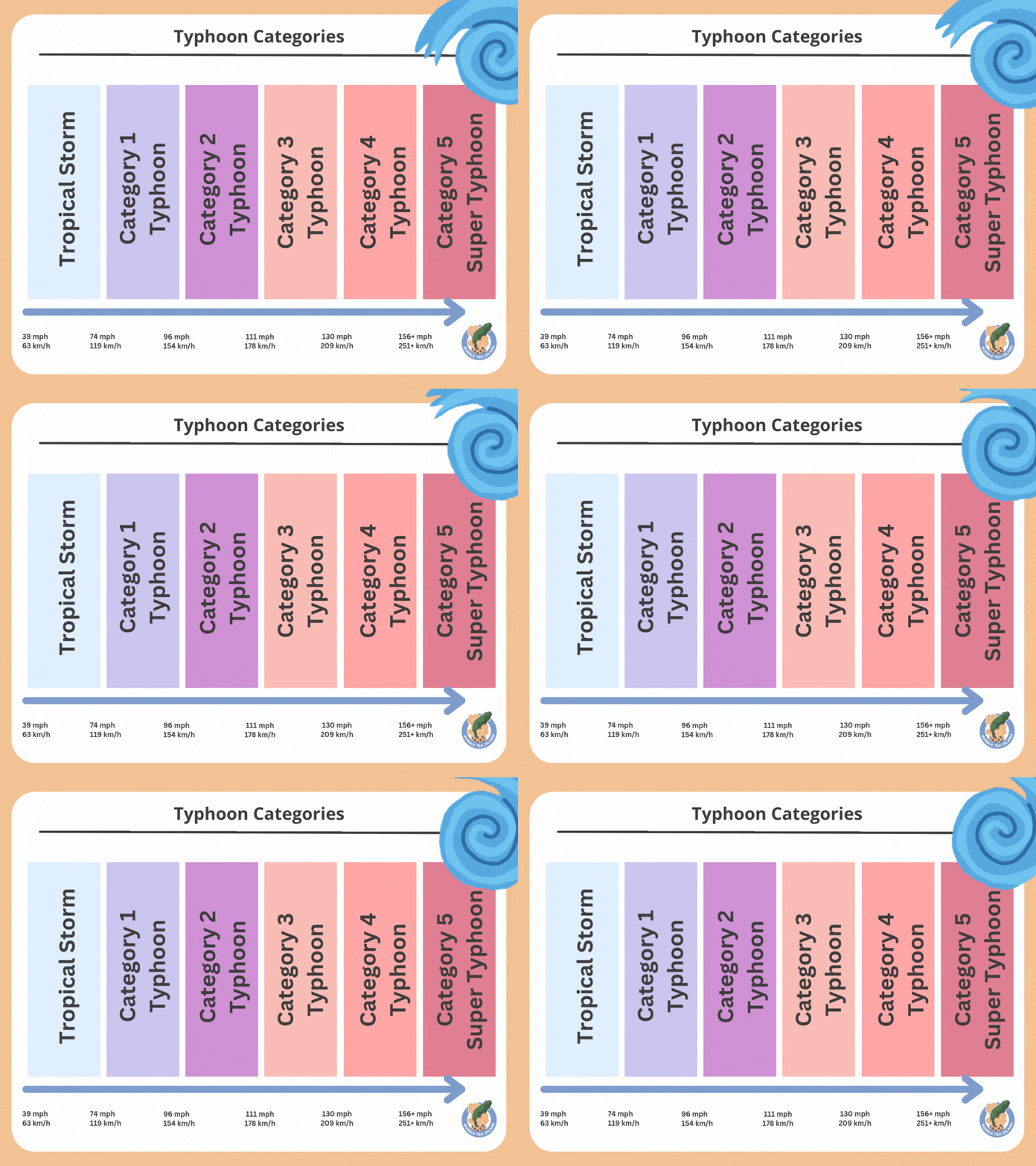
Typhoons are classified by their wind speeds:
- Tropical Storm: Winds of 39-73 mph (63-118 km/h).
- Category 1 Typhoon: Winds of 74-95 mph (119-153 km/h).
- Category 2 Typhoon: Winds of 96-110 mph (154-177 km/h).
- Category 3 Typhoon: Winds of 111-129 mph (178-208 km/h).
- Category 4 Typhoon: Winds of 130-156 mph (209-251 km/h).
- Category 5 Super Typhoon: Winds exceeding 156 mph (251 km/h).
Typhoons that strike Taiwan can range from low-intensity tropical storms to Category 5 super typhoons, which can cause severe damage and flooding.
Impacts of Typhoons on Taiwan
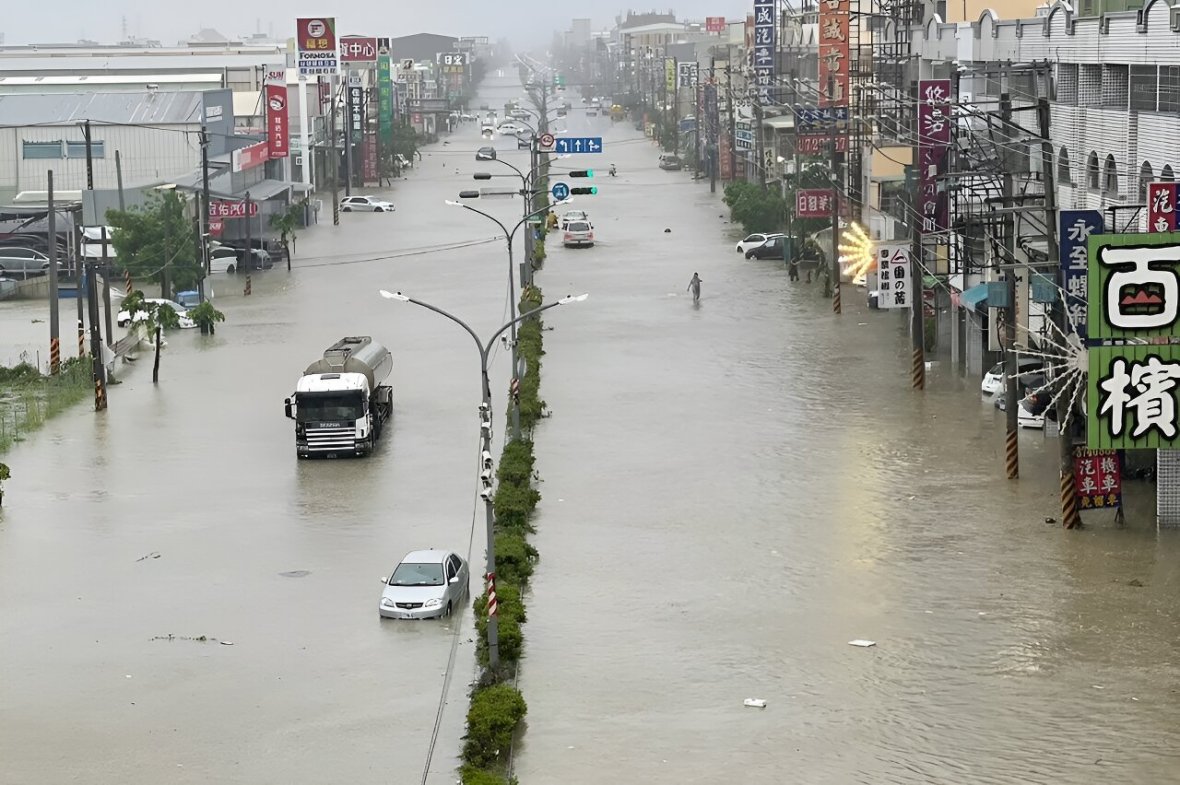
Taiwan’s mountainous terrain makes it highly susceptible to landslides and flash floods, especially in the central and eastern regions. During a typhoon, rainfall can exceed 500 mm (20 inches) within 24 hours, causing rivers to overflow and creating dangerous landslide conditions. Additionally, the winds from typhoons can damage buildings, uproot trees, and knock down power lines, particularly along the coastlines. Coastal towns are especially vulnerable, with storm surges often reaching 10 meters (33 feet) or more, leading to severe coastal erosion. Moreover, typhoons can disrupt transportation, supply chains, and critical infrastructure, resulting in temporary shutdowns of airports, seaports, and highways, which affect tourism, manufacturing, and shipping.
Monitoring Typhoon Updates
From June to October, it’s essential to stay updated on typhoon forecasts, which can change within hours. Make it a habit to check typhoon warnings every 2-3 days and avoid long hikes or outdoor activities without a means of checking the weather.
Several online resources provide real-time typhoon information:
- Joint Typhoon Warning Center (JTWC): The U.S. Navy’s official tracking site, though it can be slow to load. Look for satellite imagery and storm positions, including the wind radii, to get a sense of storm size and impact area.
- Central Weather Bureau (CWB): Taiwan’s official weather service, which provides updates in English and Chinese, and combines forecasts from different agencies for a well-rounded view.
- Zoom Earth: Provides global up-to-date weather forecast.
- Windy: Similar to Zoom Earth but in more animated and interactive display.
Deciphering Typhoon Maps
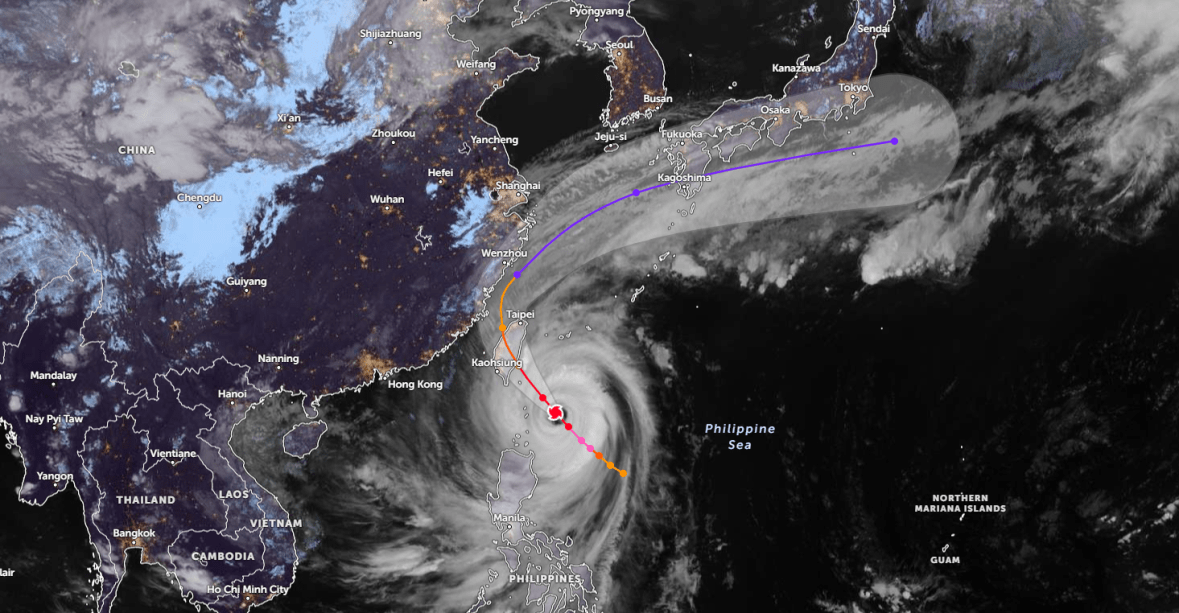
Typhoon maps from sites like JTWC and the Central Weather Bureau often contain critical symbols and forecasts:
- Track lines: Color-coded lines represent the typhoon’s path history and forecast, helping you assess its proximity to Taiwan. If the line nears your location, prepare for a direct impact.
- Wind radii circles: Concentric circles around the storm’s center represent wind speeds. The outermost circle typically denotes 34-knot winds (39 mph), and as you move inward, the wind speed increases. The smallest red circle near the storm’s center can denote severe wind danger.
- Forecast icons: Hollow circles indicate tropical depressions, while filled circles denote more powerful typhoons, and certain symbols may denote super typhoons, with sustained winds over 130 knots (150+ mph).
Preparing for Typhoons: Supplies and Safety Steps
Essentials to Stock Up on by June
It’s wise to prepare well before typhoon season starts. Some key supplies include:
- Water: Store at least one gallon per person per day. In the event of a power outage, apartment water pumps will stop functioning, potentially halting your building’s water supply.
- Food: Stock non-perishable items like canned goods, instant noodles, granola, and snacks. Include a manual can opener and disposable utensils in case water is limited for washing.
- Medicines: Keep a two-week supply of necessary medications and a first aid kit.
- Flashlights and Radios: Keep battery-powered lights, ideally with extra batteries. Radios can be essential if mobile networks fail.
- Battery-Powered Fans: With power outages, air conditioning will be unavailable, so having fans (especially battery-powered) can be helpful.
- Duct Tape and Plastic Sheeting: Use these to cover windows, especially if they are not stormproof.
Before the Typhoon Arrives
- Double-Check Supplies: Review your stock of essentials—food, water, and medical supplies. Be sure to get perishable items like fresh milk and vegetables in advance, as stores may quickly run out.
- Bring in Loose Items: Remove any lightweight items from balconies, which can turn into dangerous projectiles in high winds.
- Clear Balcony Drains: Balcony drains can easily clog with debris, potentially causing overflow that may flood your apartment. Ensure they’re free of obstructions.
- Fill Large Containers and Bathtubs with Water: In case of an extended power outage, these reserves can be used for washing, cleaning, and flushing.
When the Typhoon Hits
- Stay Indoors: Resist the urge to check on conditions outside, as winds and flying debris can be dangerous.
- Avoid Windows: If you don’t have stormproof windows, consider using heavy furniture or padding for added protection against breaking glass.
- Monitor Updates: Follow official updates from the CWB or JTWC for any new advisories or evacuation orders.
- Preserve Phone Battery: Since power may be out for an extended period, keep your phone usage minimal or consider using portable chargers.
Emergency Kit: Your Typhoon “Go Bag”
Although you may not need to evacuate, it’s a good idea to have an emergency bag prepared. Include:
- Copies of Important Documents: ID, insurance papers, and emergency contacts.
- Spare Cash and Credit Card: In case ATMs and electronic payment systems are down.
- Clothing and Toiletries: Extra sets for comfort in case of extended outages.
- Small First Aid Kit: With basic wound care supplies.
- Portable Phone Charger: Pre-charged and ready for use.
Notable Typhoons in Taiwan’s History
Several powerful typhoons have shaped Taiwan’s history, leaving lasting impacts on its landscape and people:
- Typhoon Morakot (2009): One of the deadliest typhoons, Morakot caused catastrophic flooding and landslides, resulting in nearly 700 deaths and displacing thousands.
- Typhoon Soudelor (2015): Known for its ferocity, Soudelor caused significant wind and flood damage, with economic losses estimated at over $3 billion USD.
- Typhoon Megi (2016): Megi hit Taiwan with strong winds and rain, leading to widespread power outages and damage across the island.

Typhoons are an integral part of life in Taiwan, demanding preparedness and resilience from both the government and its citizens. While these powerful storms can bring heavy damage, Taiwan’s robust systems for forecasting, infrastructure, and emergency response have significantly mitigated the risks over the years. Whether you are a resident or visitor, understanding how typhoons work and knowing the steps to prepare can make all the difference in staying safe during Taiwan’s storm season.
 Bubble Tea Island