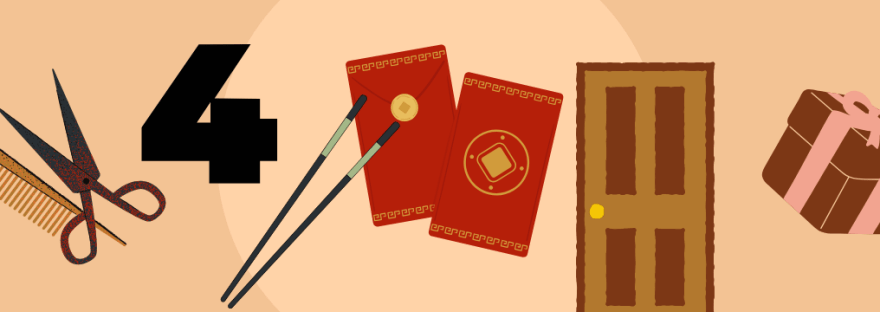
Understanding cultural taboos is essential for fostering respectful interactions, particularly when visiting Taiwan—a place rich in tradition and modernity. Whether you’re traveling for leisure or business, keeping these cultural nuances in mind will help you avoid awkward missteps and show your appreciation for Taiwanese customs.
The Unlucky Number Four
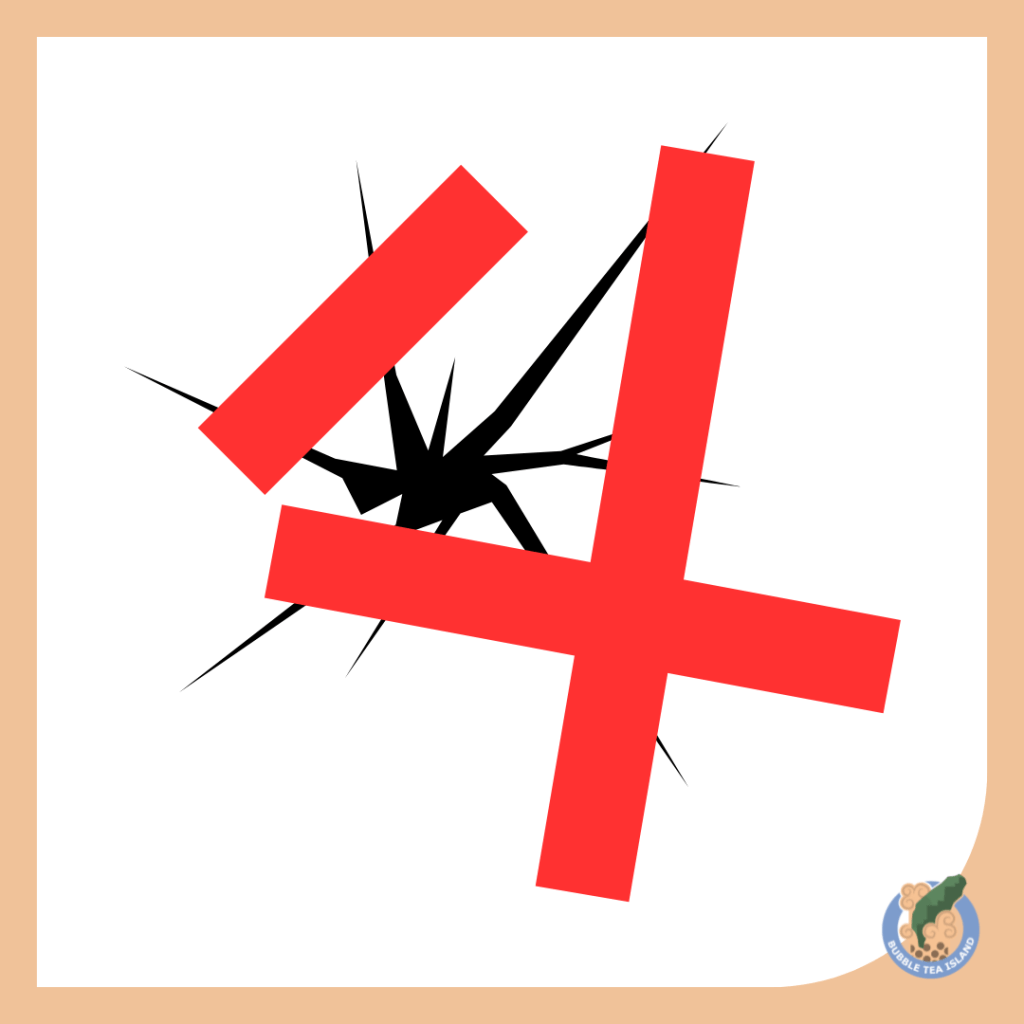
In Taiwanese culture, the number four (四) is considered deeply unlucky because its pronunciation (sì) closely resembles the word for “death (死).” This aversion extends to elevators, addresses, and phone numbers, where the number is often omitted or replaced. When possible, avoid using the number four in conversation, decorations, or gifts.
Chopstick Etiquette
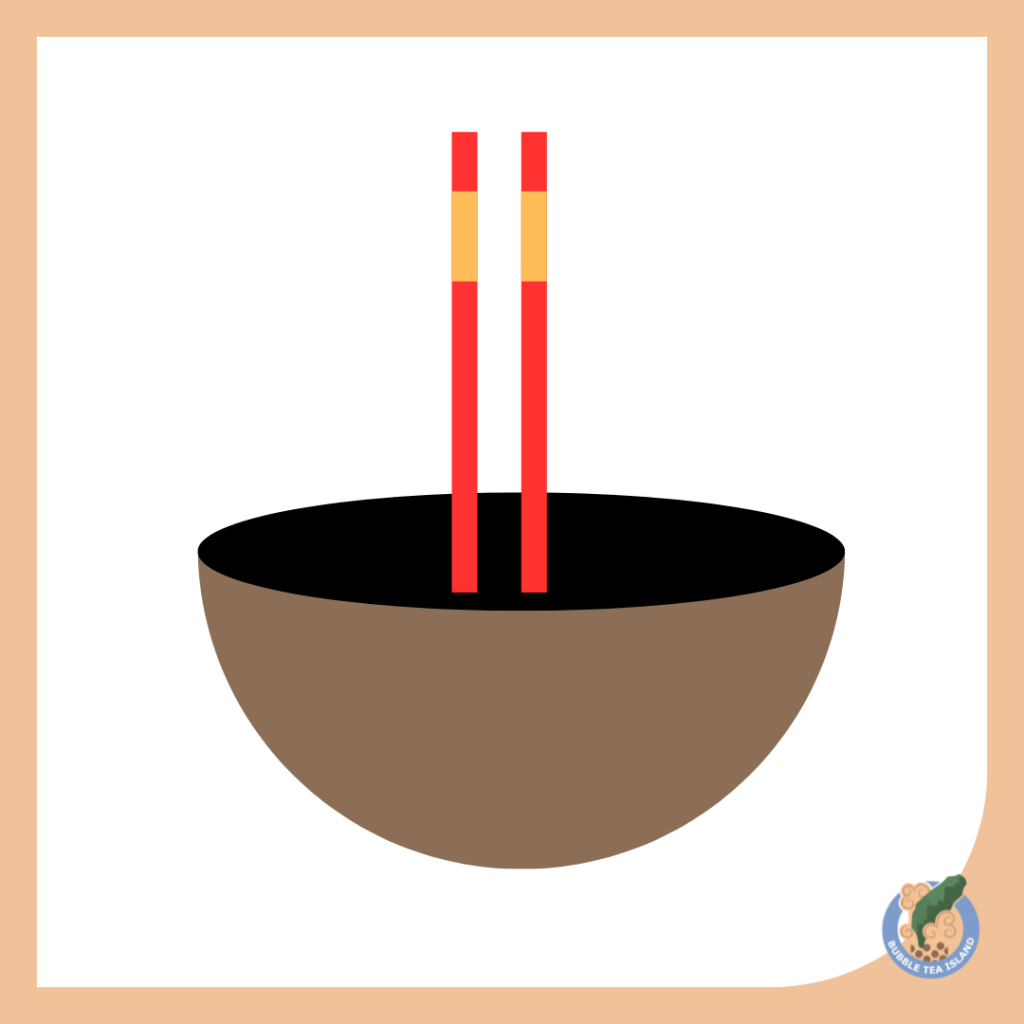
One of the most important dining taboos involves chopsticks and rice. Placing chopsticks vertically into a bowl of rice is a significant no-no, as this gesture mimics the appearance of incense sticks used during funeral rites. Instead, rest chopsticks horizontally on a chopstick holder or the edge of a bowl.
The Red Envelope Rule
Red envelopes, or hongbao (紅包), are a common sight during celebrations like Lunar New Year or weddings. However, if you come across a red envelope on the ground, resist the temptation to pick it up—it could be part of a ritual, often related to matchmaking or warding off bad luck. Picking it up could inadvertently involve you in the ritual.

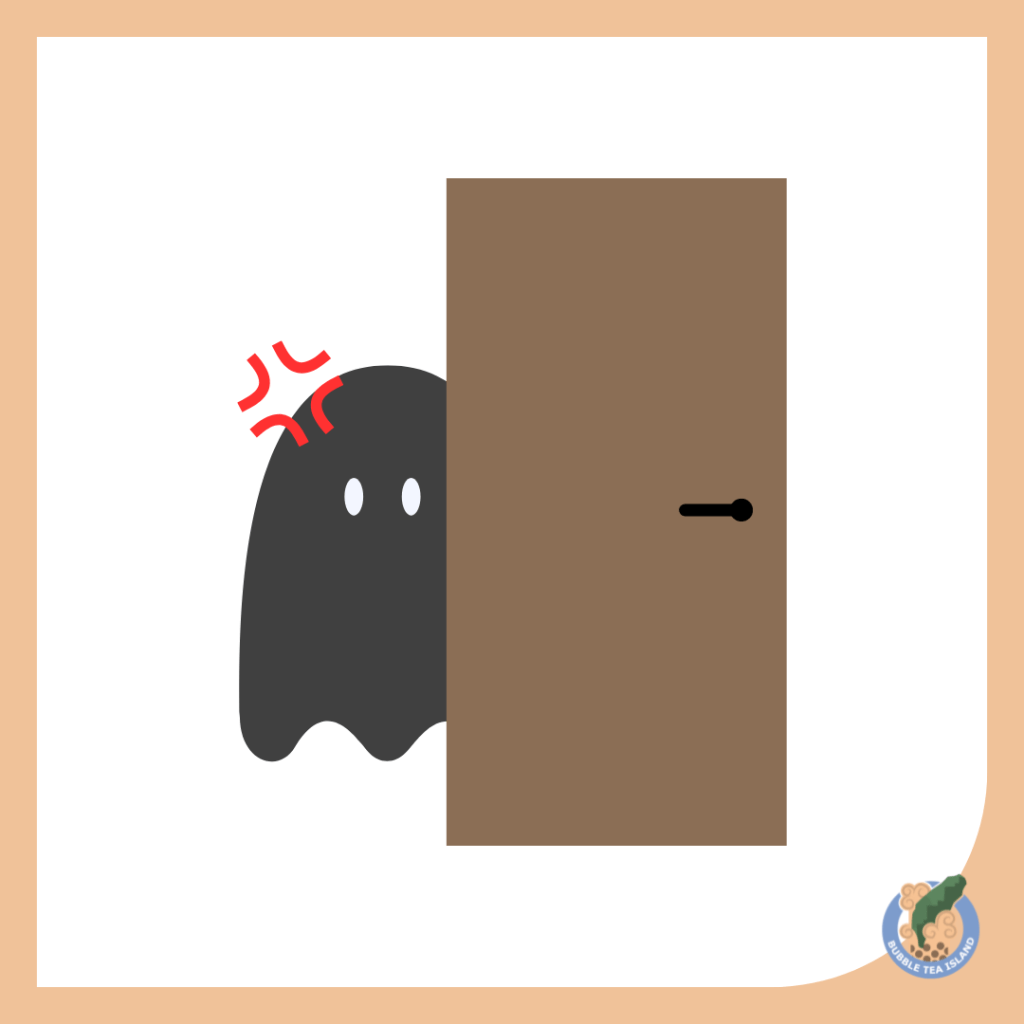
Knocking Before Entering a Room
Superstitions in Taiwan extend to hotel rooms. When entering a new hotel room, even if it’s your own, always knock on the door before stepping in. This is a gesture of respect to unseen spirits that may “occupy” the space. Some even suggest saying a polite phrase like, “Excuse me, I’ll be staying here for a while.”
Avoiding Certain Gifts
Gift-giving in Taiwan can be fraught with unintentional faux pas. Certain items have negative cultural connotations, so avoid giving them:
- Clocks: They symbolize counting down to someone’s death.
- Umbrellas: They signify separation, as the Mandarin word for umbrella (傘, sǎn) sounds like the word for “scatter.”
- Shoes: Giving shoes implies sending someone away, making it an unwelcome gesture.
If you’re unsure about gift choices, stick to universally appreciated items like snacks or local delicacies.

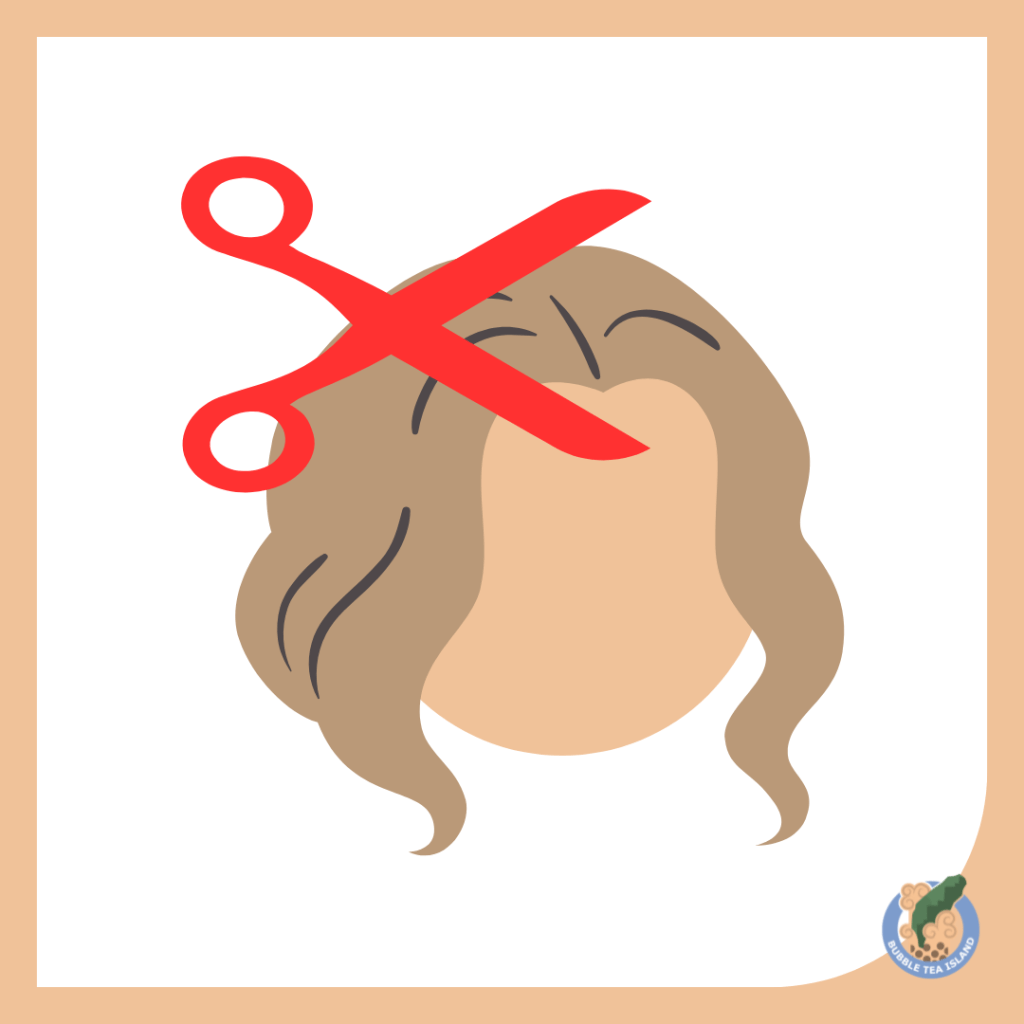
Haircuts Before Big Events
Superstitions around haircuts are also common. Avoid cutting your hair just before significant events like weddings or Lunar New Year celebrations, as it’s believed to bring bad luck. This stems from the idea that hair represents vitality, and cutting it could diminish good fortune.
While it might feel overwhelming to remember every cultural nuance, the effort you put into understanding and respecting these taboos will be deeply appreciated by locals. By keeping these practices in mind, you’ll enrich your experience in Taiwan and leave a positive impression on those you meet.
FAQ
What are safe gift options in Taiwan?
If you’re unsure about gift choices, consider local delicacies, fruit, or high-quality snacks. Avoid items like clocks, umbrellas, or shoes, which carry negative connotations.
Are there taboos around clothing colors in Taiwan?
No, clothing color choices don’t hold significant cultural weight in Taiwan. However, for formal events like weddings, wearing red (a symbol of happiness) or avoiding all-black outfits (associated with mourning) might be a thoughtful consideration.
Are there any taboos related to visiting temples in Taiwan?
Yes. When visiting temples, avoid pointing at deities with your finger—it’s considered disrespectful. Use an open hand or bow slightly as a sign of reverence. Additionally, dress modestly and avoid walking directly in front of the main altar.
 Bubble Tea Island