

On March 22 and 23, I attended Asiaglot, a new event positioning itself as Taipei’s top language festival. Over two packed days, language lovers from all backgrounds came together to exchange ideas, explore different languages, and connect through shared passion. The event took place inside Taipei Main Station and brought together local attendees as well as people from abroad.
As someone who’s lived in Taiwan before and has worked in language education and communication for years, I was curious to see what this new initiative would look like in practice. What I experienced was a colorful mix of talks, networking, language practice, and cultural exchange.
A Space for Language Lovers of All Levels
One of the strengths of Asiaglot was its openness to everyone, regardless of their level or experience. Whether you were a seasoned polyglot or someone who just picked up their first language-learning app, you could easily find a place. The atmosphere felt welcoming and curious, and conversations started naturally, whether in English, Chinese, or any of the many languages represented at the event.
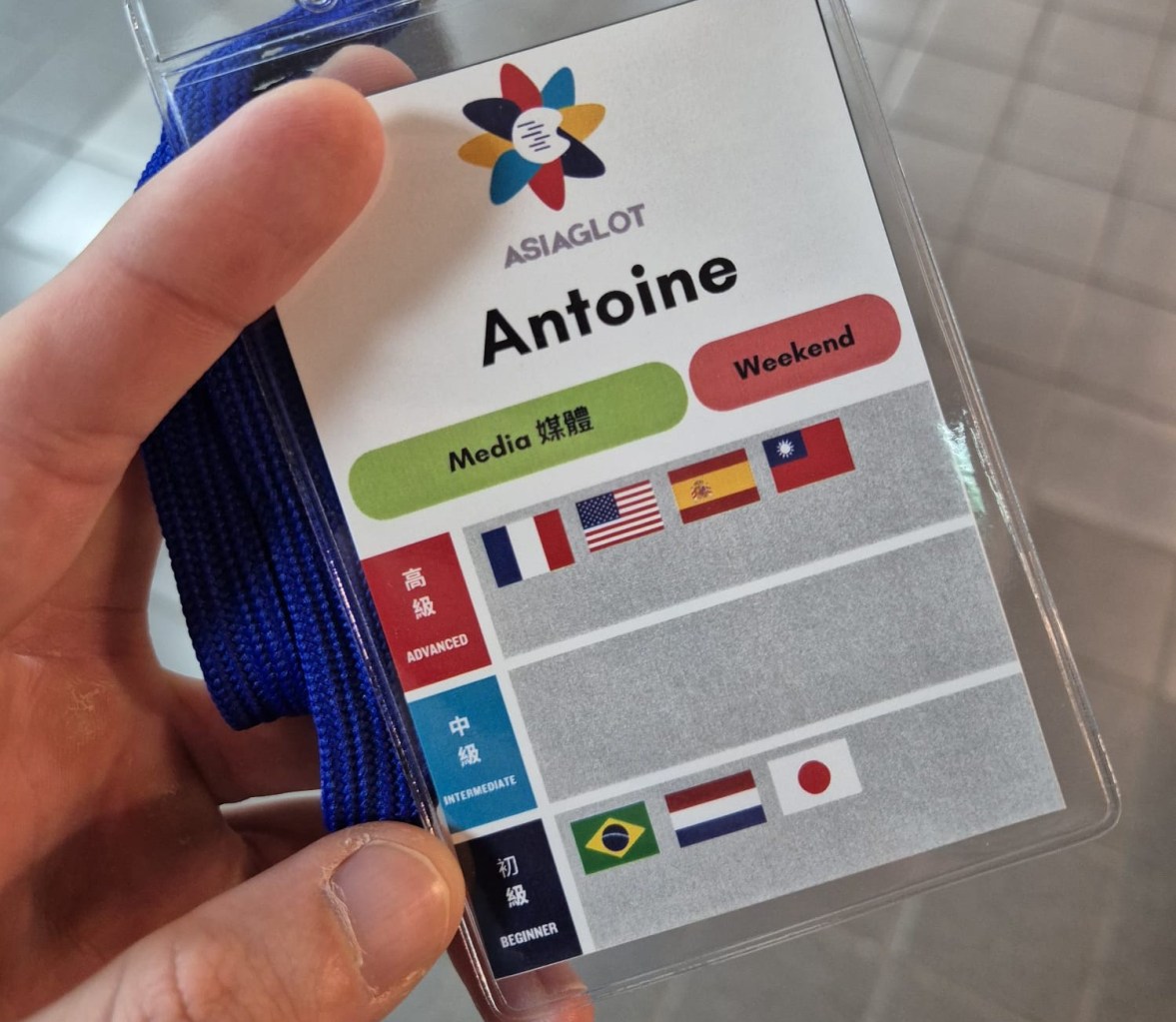
Throughout the weekend, I was able to use all four of my main languages—English, French, Spanish, and Chinese—which doesn’t happen often, even in international settings. The fact that so many people were able and eager to switch between languages made for fun and spontaneous exchanges.
Talks, Panels, and Practical Ideas
The schedule included a series of talks and panel discussions with a mix of well-known names and lesser-known experts. While I didn’t attend every session, the variety of topics—from immersion learning to insight of the work as a translator—seemed to offer something for everyone. Overall, the lineup reflected the event’s aim: to mix academic insight with practical tools and real-life language stories.
Language Tables and Practice Opportunities
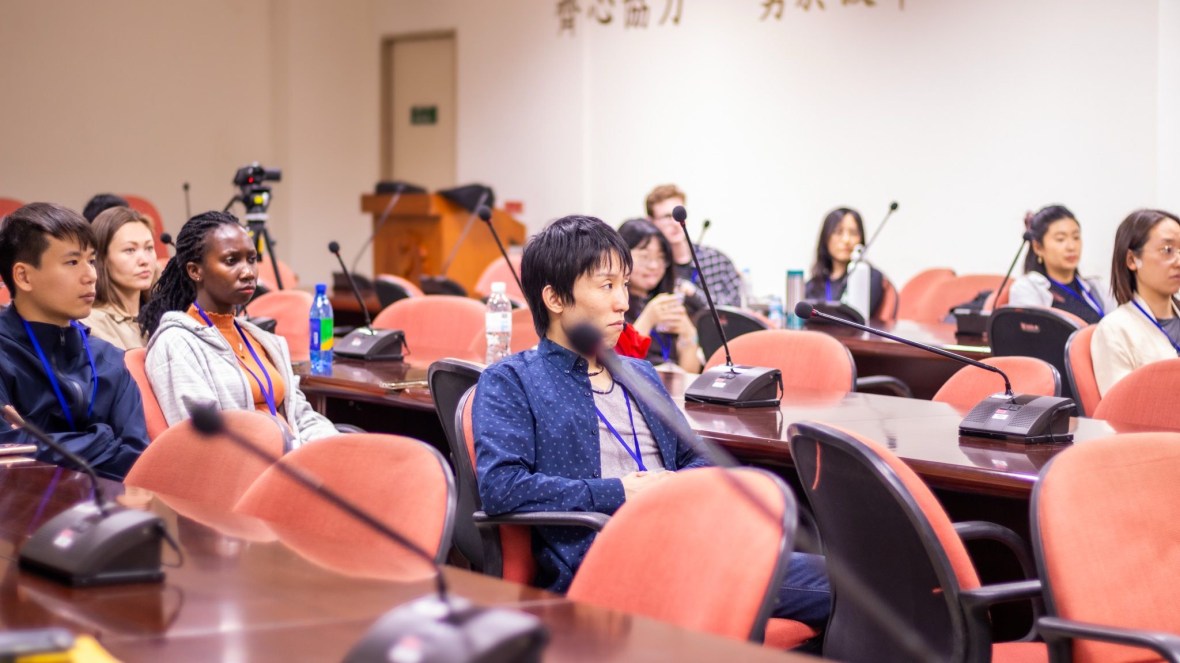
A big part of Asiaglot’s appeal came from the language tables: informal spaces where participants could sit down and chat in a particular language. These were hosted by volunteers, teachers, or native speakers, and covered an impressively broad range of languages, from German to Hokkien to Spanish. I joined one of these sessions and found it a refreshing way to practice in a relaxed, social setting. It wasn’t about fluency or performance—just sharing and learning from each other.

A Festival Feel, With Local Touches
The event wasn’t just about lectures and learning. There was also live music, games, and plenty of informal networking. The inauguration show in Taiwanese Sign Language was a thoughtful and inclusive opening to the weekend. It served as a reminder that languages come in many forms, and that meaningful communication goes well beyond vocabulary and grammar.

I also appreciated seeing familiar faces from my time living in Taiwan, which added a nice personal layer to the event. It felt like a space that not only brought people together for learning, but also helped rekindle connections across time and borders.
It was also a good chance to meet some of the organizations involved in language education across Asia. I had a nice chat with the team at LTL Language School, one of the event’s sponsors, and spoke with others working in publishing, tech, or teaching. For those working in the field, the event offered informal career conversations and insight into the evolving role of language in education, media, and even AI tools.
A Promising First Edition
I truly believe the event succeeded in creating a friendly, multilingual space where people could engage without pressure. It wasn’t just a language conference—it had the feel of a small community festival, centered around curiosity and exchange.
For anyone interested in languages, whether as a learner, teacher, or simply an enthusiast, Asiaglot offered a valuable platform to learn something new, meet others, and have conversations that might not happen elsewhere.
I’m curious to see how it evolves in the future—and I wouldn’t mind joining again next year. If you’re thinking of attending too, or just want to stay in the loop, you can check out updates and future announcements on Asiaglot’s official website.
 Bubble Tea Island