
This is a guest post by Dorota, a passionate writer and advocate for cultural exploration.
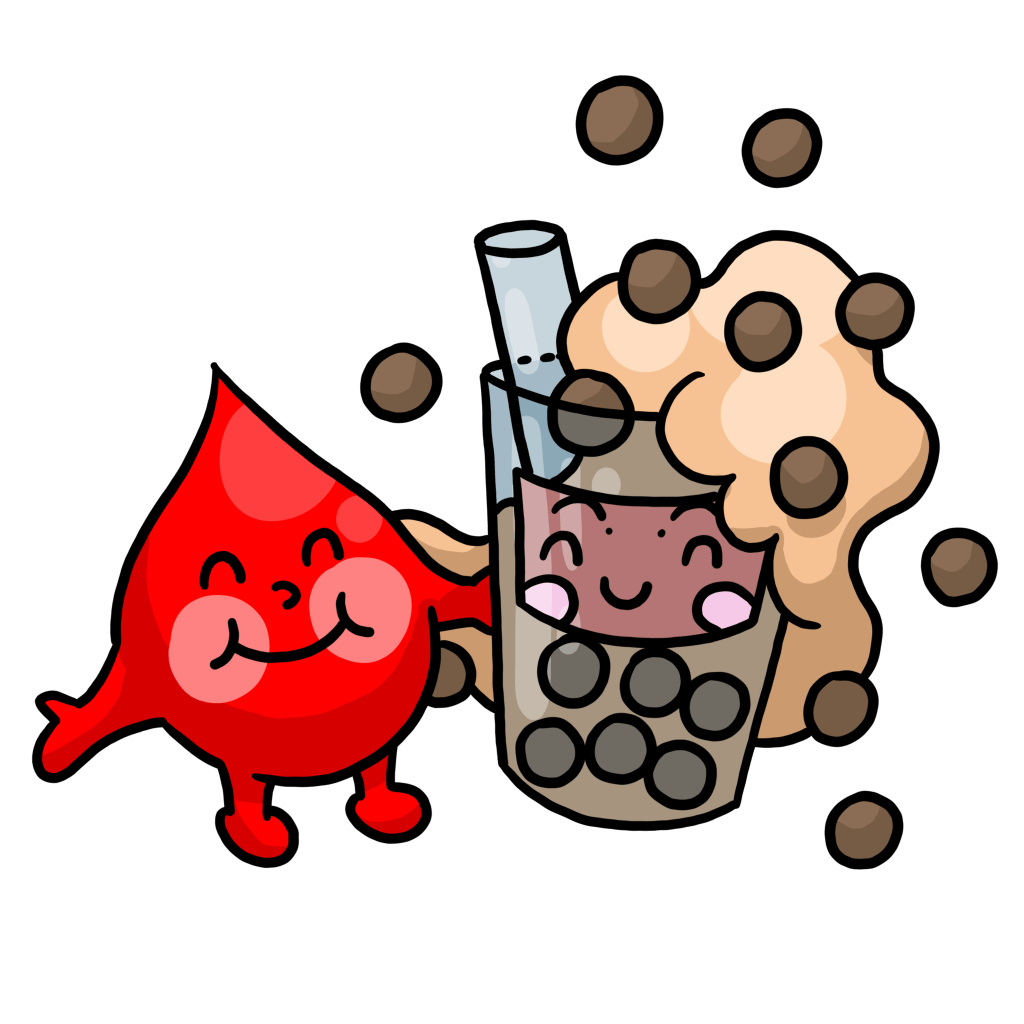
In the bustling heart of a traditional Taipei market, amidst stalls selling fresh produce and local delicacies, a bold red building stands out. Its mascot, a cheerful blood droplet, invites passersby with curiosity. This is the world’s only menstruation museum, opened in 2022 thanks to donations from Taiwanese citizens. Behind this groundbreaking initiative is Vivi Lin, an activist with the “With Red” foundation. Vivi has been instrumental in challenging menstrual taboos and advocating for change, including making Taiwan the first Asian country to provide free menstrual products in schools.
About the Museum
The “Period Museum,” also known as “The Red House Period Museum,” is the world’s only brick-and-mortar museum dedicated to menstruation and period issues. Located in a traditional market in Taipei, Taiwan, the museum aims to normalize menstruation as “biologically normal” and address the stigma and period poverty that still persist in many societies.

Key Features of the Museum:
- Focus: Tackles period poverty, stigma, and education to promote understanding and acceptance of menstruation.
- Location: Situated in a traditional Taipei market, making it an accessible and integral part of daily life.
- Mission: Promotes period as “biologically normal” and works to dismantle shame and taboo.
- Content: Features permanent exhibitions on diverse period issues, cross-generational female history, and global period education materials.
- Activities: Hosts period education workshops, panel discussions, and advocacy events.
- Importance: Highlights issues like period poverty, stigma, and the lack of education about menstruation.

The museum’s exhibits include educational materials about the reproductive system, a “Menstrual Library” filled with resources from around the world, and an interactive installation shaped like a tree to symbolize spreading awareness globally. Visitors can also explore historical narratives and engage with fun displays like a plush uterus.
To learn more about the museum and plan your visit, check out their website here: Visit the Red House Period Museum.
I had the privilege of interviewing Vivi about the museum, its mission, and the journey that brought this bold idea to life.

A Unique Introduction to Menstruation
Q: Let’s say I’m walking through a market in Taipei and come across your museum. What would encourage me to step inside? What would I see first?
Vivi: We chose a market because it’s such an integral part of Taiwanese culture—a place where people gather and connect. We wanted the museum to feel accessible, like a natural part of everyday life.
The first thing you’ll notice is the bright red exterior. It’s cheerful, bold, and impossible to miss. At the entrance, we’ve placed our giant blood droplet mascot. It’s especially popular with kids—they love posing for photos with it.
Inside, the ground floor opens into a bright, inviting space. On the left, we have an educational area focused on menstruation basics and the reproductive system. Many people still don’t understand their own bodies, so we start with the fundamentals: get to know your body! On the right, you’ll find a giant plush uterus, complete with removable cushions that visitors can hug, pose with, or play around with.
At the back of the ground floor, we highlight our foundation’s activities. In the center, a striking installation shaped like a tree—actually a large artery—wraps around a building pillar. It symbolizes how we hope to spread the menstrual movement from Taipei to the world.
The whole first floor is designed to evoke the inside of a uterus. As you move upstairs, it’s like returning to your first home: the womb.

Building a Movement, One Small Step at a Time
Q: It seems like menstruation is a topic close to the hearts of Taiwanese people, considering they funded the museum themselves. How did you engage people in the cause?
Vivi: For a 20-year-old girl from a modest family with no property in Taipei, it seemed almost impossible. Many doubted the idea. But I didn’t give up. I started by talking about the concept and sharing it widely. We continued our foundation’s work and began grassroots fundraising.
The museum wasn’t funded by a single wealthy donor. It was built through collective effort and small donations from people across Taiwan. That’s what makes this project so meaningful—it belongs to everyone.
We also educate in schools, train teachers, organize online courses, and advocate for policy changes. Over the years, we’ve successfully pushed for more than 37 legislative updates in Taiwan. In 2023, Taiwan became the first Asian country to offer free menstrual products on campuses. It’s not perfect yet—we’re still monitoring and optimizing—but it was a huge milestone after years of advocacy.
We also tackle period poverty by providing care packages with menstrual products to those under 18. And we extend support internationally. During the war in Ukraine and after earthquakes in Turkey and Syria, we worked with Taiwan’s Ministry of Foreign Affairs to send menstrual products to those in need.

Exploring Menstrual History
Q: Do you have an exhibition about the historical perception of menstruation in Taiwan and beyond?
Vivi: Absolutely. On the first floor, we explore menstruation’s social and cultural dimensions. Our “Menstrual Library” houses books from around the world. Visitors can also explore different menstrual products. We’ve created a space where people can see, touch, and learn about products without needing to buy them first.
We’ve also documented menstruation’s history in Taiwan over the past 70 years. Interviewing grandmothers, great-grandmothers, and women from four generations, we’ve uncovered stories of how perceptions have evolved.
Q: Did you talk about this with your own grandmother?
Vivi: Yes. My grandmother and great-grandmother were among our first interviewees. Before this project, I’d never discussed menstruation with them. Once, during a family dinner, I brought it up. My grandmother was shocked and hushed me, saying girls shouldn’t talk about such things at the table.
Initially, she avoided participating. But as we interviewed her friends, she began adding comments and eventually opened up about her own experiences. Now, she’s one of our biggest supporters! She even has a museum sticker on her phone and tells everyone about our work.

Breaking Myths and Stigmas
Q: When people visit your museum, are there misconceptions about menstruation you hear most often?
Vivi: Definitely. In Taiwan, a common myth is that you shouldn’t drink cold water or eat ice cream during menstruation. People believe it worsens cramps, but it’s just a natural reaction of blood vessels to cold.
Another widespread belief is rooted in Buddhist and Taoist traditions—that menstruating women shouldn’t enter temples. We researched this and found no religious texts supporting the taboo. We’ve partnered with temples to spread the message: everyone is welcome, regardless of their cycle.
Q: In Poland, my great-grandmother avoided making preserves during her period.
Laughs That’s a common myth globally! In Japan, some believe menstruating women shouldn’t touch sushi because it might spoil. Ironically, menstrual blood is an excellent fertilizer—it’s full of nutrients.

Changing Narratives Worldwide
Q: Many think period poverty only happens in poorer countries. But as you’ve said, it exists in wealthier places too. What’s the reality?
Vivi: Period poverty in higher-income countries often means a lack of access to products and facilities with dignity. Some can only afford one pad a day, which is far from adequate. In the UK, about 140,000 girls miss school yearly due to period poverty. In Taiwan, our research revealed 9% of menstruators experience it.

Through her advocacy and the museum, Vivi Lin and her team at “With Red” are not only transforming how people perceive menstruation but also creating tangible change. Whether you’re curious about menstrual history, looking for education, or simply want to hug a plush uterus, this museum in Taipei is worth a visit. It’s more than a museum—it’s a movement.
About the Author
Dorota is a Polish blogger that has been living in Taiwan for over three years. She loves traveling, hiking and stir-fried eggplants with basil leaves.
Her blog : Innym Szlakiem
 Bubble Tea Island