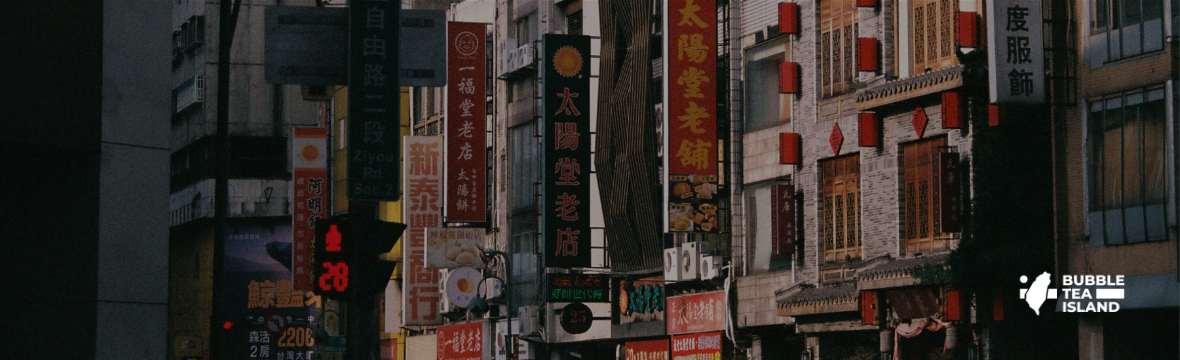

When exploring Taiwan, one detail that will undoubtedly catch your eye is the animated pedestrian crossing signal known as Xiaolüren (小綠人), or “Little Green Man.” This iconic figure has become more than just a practical traffic aid; it’s a symbol of innovation, safety, and even a touch of whimsy in Taiwan’s urban landscape.
A Bright Idea Born in Taipei
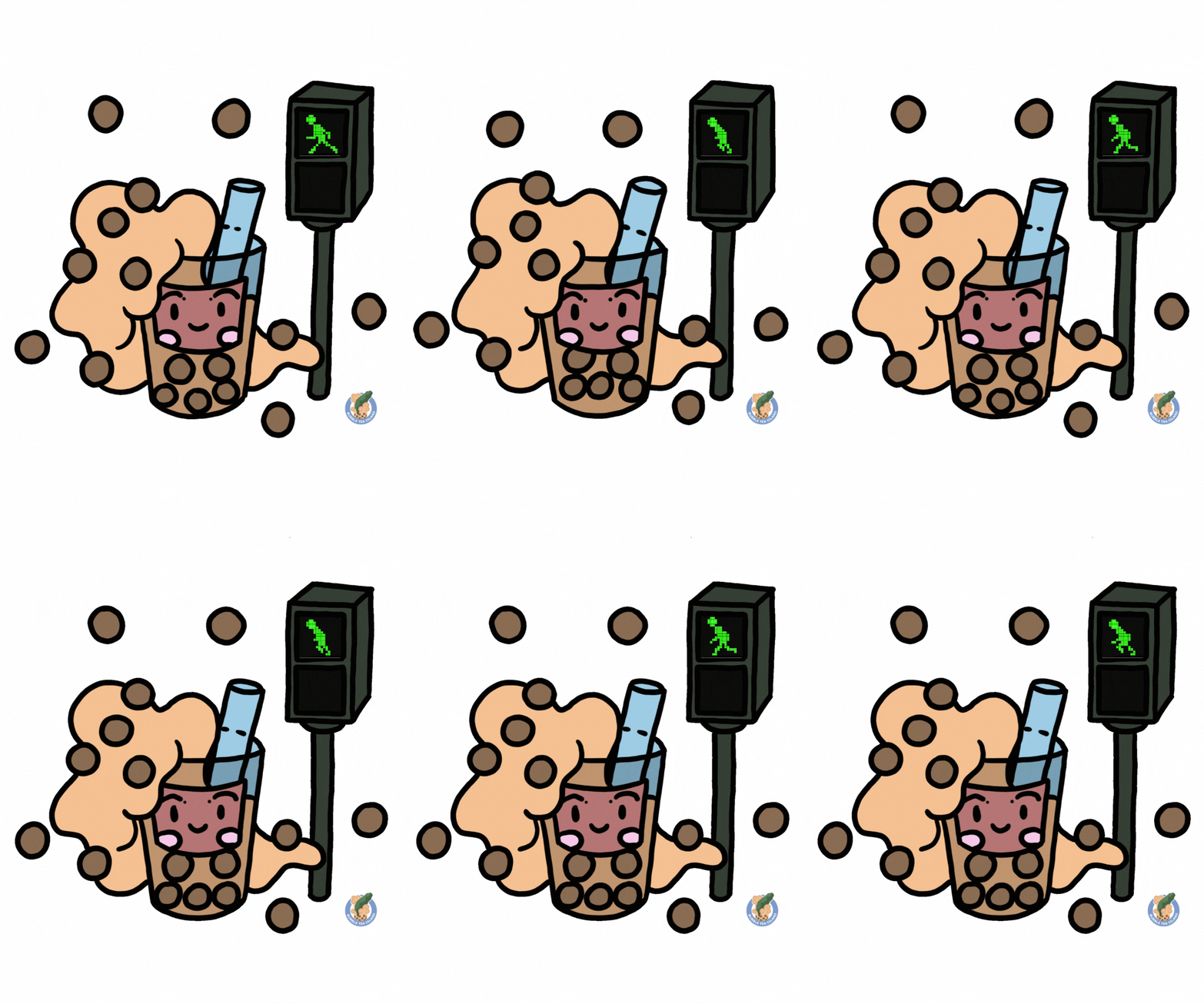
Xiaolüren made his debut in 1999 at the intersection of Songshou Road and Songzhi Road in Taipei City. The system quickly gained popularity and soon replaced older, static pedestrian traffic lights across the island. With his animated striding motion, Xiaolüren didn’t just signal “go”; he brought pedestrian crossings to life.
The idea behind Xiaolüren was simple yet effective: to enhance pedestrian safety and reduce jaywalking. The animated figure, accompanied by a countdown timer, makes crossing the street both intuitive and engaging.

What Makes Xiaolüren Special?
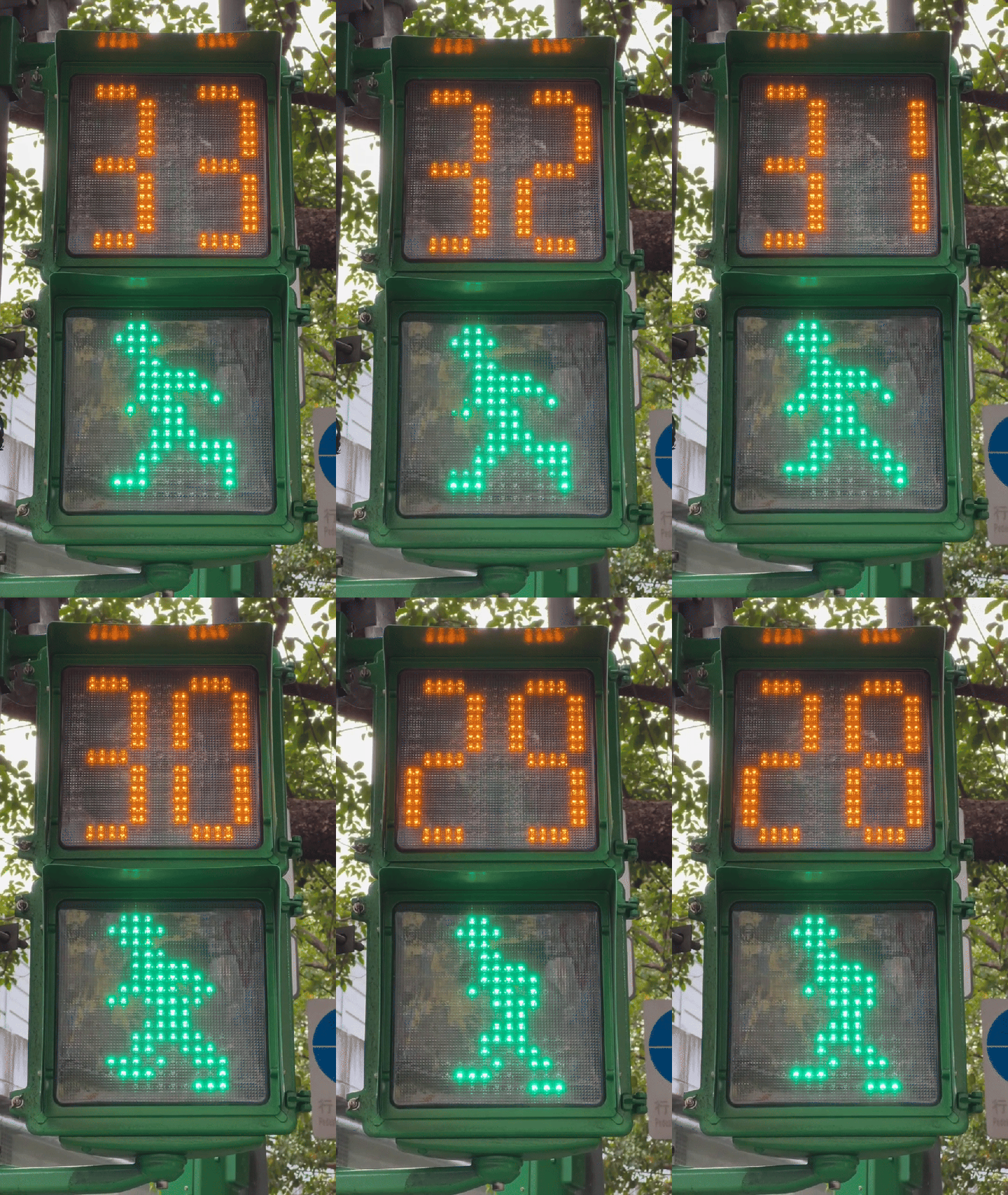
Unlike static pedestrian signals in many countries, Xiaolüren is fully animated, with seven frames of movement that vary in speed to reflect the urgency of crossing. Here’s how it works:
When the green light appears: Xiaolüren begins walking at a steady pace, letting you know it’s safe to cross.
As time runs out: The walking animation speeds up, signaling pedestrians to hurry before the red light appears.
This dynamic design not only improves visibility but also creates a sense of urgency that static lights lack. It’s no wonder the system has become a benchmark for pedestrian traffic lights worldwide.
A Growing Family
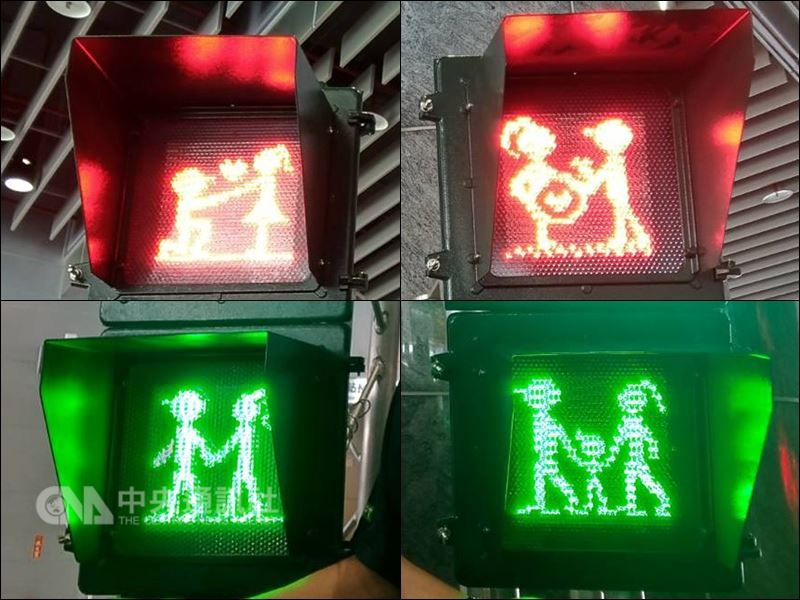
In some parts of Taiwan, Xiaolüren’s story has taken an even more delightful turn. He has found a girlfriend, and together they’ve started a family! At certain crossings, you might spot his wife, a similarly animated female figure, and even with a little kid, symbolizing the growth and vibrancy of life in Taiwan. These additions bring an extra layer of charm to the already beloved Xiaolüren, making pedestrian crossings more engaging and memorable.
Global Inspiration
While Xiaolüren originated in Taiwan, his animated charm has inspired similar systems in countries like China, Malaysia, Mexico, and Spain. Interestingly, the concept of a pedestrian figure isn’t entirely new. A static version known as Ampelmännchen (“little traffic light man”) was first introduced in East Berlin in 1961. However, Taiwan took this concept to the next level by adding movement and a countdown timer.

Xiaolüren’s impact also reached global recognition when Google featured him in a Google Doodle on March 18, 2016, celebrating his 17th birthday. This highlighted his influence as more than just a local traffic feature—it cemented his status as a cultural icon.

Why Xiaolüren Matters
Beyond his practical function, Xiaolüren reflects Taiwan’s commitment to pedestrian safety and urban innovation. His cheerful stride encourages compliance with traffic rules, reducing accidents and improving the flow of city life.
For visitors, Xiaolüren is a quirky yet reassuring presence—a little reminder that crossing the street doesn’t have to be a stressful experience.
Xiaolüren is ubiquitous in Taiwan, so you’ll find him at virtually every pedestrian crossing. If you’re in Taipei, look for him in bustling areas like Ximending, Shilin Night Market, or near Taipei 101.

Xiaolüren is more than just a traffic signal; he’s a symbol of Taiwan’s vibrant urban culture and innovative spirit. So, next time you’re waiting to cross the street in Taiwan, take a moment to appreciate this little green man as he strides confidently into the hearts of locals and visitors alike.
Whether you’re a seasoned traveler or a first-time visitor, Xiaolüren is a small yet unforgettable part of the Taiwan experience. Keep an eye out for him—he’s always ready to guide you safely across!
 Bubble Tea Island