

Learning fruit names in Mandarin is essential for shopping, traveling, or impressing your friends with your language skills.
Also check out our vocabulary guide for vegetables in Chinese!
Essential Fruit Vocabulary
Let’s start with some foundational words:
| Chinese | Bopomofo | Pinyin | English |
|---|---|---|---|
| 水果 | ㄕㄨㄟˇ ㄍㄨㄛˇ | shuǐguǒ | Fruit |
| 熱帶水果 | ㄖㄜˋ ㄉㄞˋ ㄕㄨㄟˇ ㄍㄨㄛˇ | rèdài shuǐguǒ | Tropical fruits |
| 進口水果 | ㄐㄧㄣˋ ㄎㄡˇ ㄕㄨㄟˇ ㄍㄨㄛˇ | jìnkǒu shuǐguǒ | Imported fruits |
| 酸 | ㄙㄨㄢ | suān | Sour |
| 甜 | ㄊㄧㄢˊ | tián | Sweet |
| 味道 | ㄨㄟˋ ㄉㄠˋ | wèidào | Taste |
| 顏色 | ㄧㄢˊ ㄙㄜˋ | yánsè | Color |
Here are some sample sentences to practice:
這個水果很甜。
(ㄓㄜˋ ㄍㄜ˙ ㄕㄨㄟˇ ㄍㄨㄛˇ ㄏㄣˇ ㄊㄧㄢˊ)
This fruit is very sweet.
我喜歡熱帶水果,尤其是芒果。
(ㄨㄛˇ ㄒㄧˇ ㄏㄨㄢ ㄖㄜˋ ㄉㄞˋ ㄕㄨㄟˇ ㄍㄨㄛˇ, ㄧㄡˊ ㄑㄧˊ ㄕˋ ㄇㄤˊ ㄍㄨㄛˇ)
I love tropical fruits, especially mango.
這些進口水果比國產的貴。
(ㄓㄜˋ ㄒㄧㄝ ㄐㄧㄣˋ ㄎㄡˇ ㄕㄨㄟˇ ㄍㄨㄛˇ ㄅㄧˇ ㄍㄨㄛˊ ㄔㄢˇ ㄉㄜ˙ ㄍㄨㄟˋ)
These imported fruits are more expensive than domestic ones.
這個檸檬的味道很酸。
(ㄓㄜˋ ㄍㄜ˙ ㄋㄧㄥˊ ㄇㄥˊ ㄉㄜ˙ ㄨㄟˋ ㄉㄠˋ ㄏㄣˇ ㄙㄨㄢ)
This lemon tastes very sour.
這個水果的顏色很漂亮。
(ㄓㄜˋ ㄍㄜ˙ ㄕㄨㄟˇ ㄍㄨㄛˇ ㄉㄜ˙ ㄧㄢˊ ㄙㄜˋ ㄏㄣˇ ㄆㄧㄠˋ ㄌㄧㄤˋ)
The color of this fruit is beautiful.
Comprehensive Fruit Vocabulary
Here’s a larger selection of fruits, including their names in Traditional Chinese, Bopomofo, pinyin, and English.
| Chinese | Bopomofo | Pinyin | English |
|---|---|---|---|
| 蘋果 | ㄆㄧㄥˊ ㄍㄨㄛˇ | píngguǒ | Apple |
| 香蕉 | ㄒㄧㄤ ㄐㄧㄠ | xiāngjiāo | Banana |
| 草莓 | ㄘㄠˇ ㄇㄟˊ | cǎoméi | Strawberry |
| 葡萄 | ㄆㄨˊ ㄊㄠˊ | pútáo | Grape |
| 櫻桃 | ㄧㄥ ㄊㄠˊ | yīngtáo | Cherry |
| 芒果 | ㄇㄤˊ ㄍㄨㄛˇ | mángguǒ | Mango |
| 西瓜 | ㄒㄧ ㄍㄨㄚ | xīguā | Watermelon |
| 橙子 | ㄔㄥˊ ㄗˇ | chéngzi | Orange |
| 鳳梨 | ㄈㄥˋ ㄌㄧˊ | fènglí | Pineapple |
| 哈密瓜 | ㄏㄚ ㄇㄧˋ ㄍㄨㄚ | hāmìguā | Cantaloupe |
| 蓮霧 | ㄌㄧㄢˊ ㄨˋ | liánwù | Wax Apple |
| 柿子 | ㄕˋ ㄗˇ | shìzi | Persimmon |
| 酪梨 | ㄌㄠˋ ㄌㄧˊ | làolí | Avocado (Taiwan) |
| 奇異果 | ㄑㄧˊ ㄧˋ ㄍㄨㄛˇ | qíyì guǒ | Kiwi (Taiwan) |
| 百香果 | ㄅㄞˇ ㄒㄧㄤ ㄍㄨㄛˇ | bǎixiāng guǒ | Passion Fruit |
| 龍眼 | ㄌㄨㄥˊ ㄧㄢˇ | lóngyǎn | Longan |
| 荔枝 | ㄌㄧˋ ㄓ | lìzhī | Lychee |
| 榴蓮 | ㄌㄧㄡˊ ㄌㄧㄢˊ | liúlián | Durian |
| 釋迦 | ㄕˋ ㄐㄧㄚ | shìjiā | Sugar Apple |
| 楊桃 | ㄧㄤˊ ㄊㄠˊ | yángtáo | Starfruit |
| 番石榴 | ㄈㄢ ㄕˊ ㄌㄧㄡˊ | fānshíliú | Guava |
Regional Fruit Names
Some fruits have different names in Taiwan and China.
| Fruit | Taiwan Name (Traditional) | Mainland Name (Simplified) |
|---|---|---|
| Avocado | 酪梨 | 牛油果 |
| Kiwi | 奇異果 | 猕猴桃 |
| Pineapple | 鳳梨 | 菠萝 |

Exotic Fruits in Detail
龍眼 (ㄌㄨㄥˊ ㄧㄢˇ, lóngyǎn)

Longan is a small fruit known as “dragon eyes” because its translucent flesh and dark seed resemble an eyeball. Smaller and slightly tarter than lychee, longan is sweet and aromatic, with a juicy texture. It’s commonly eaten fresh, dried for herbal teas, or used in traditional Chinese desserts like 龍眼紅棗茶 (longan and red date tea). Available in summer to early autumn, it’s also valued in traditional Chinese medicine for its calming properties, believed to help with anxiety and insomnia.
荔枝 (ㄌㄧˋ ㄓ, lìzhī)
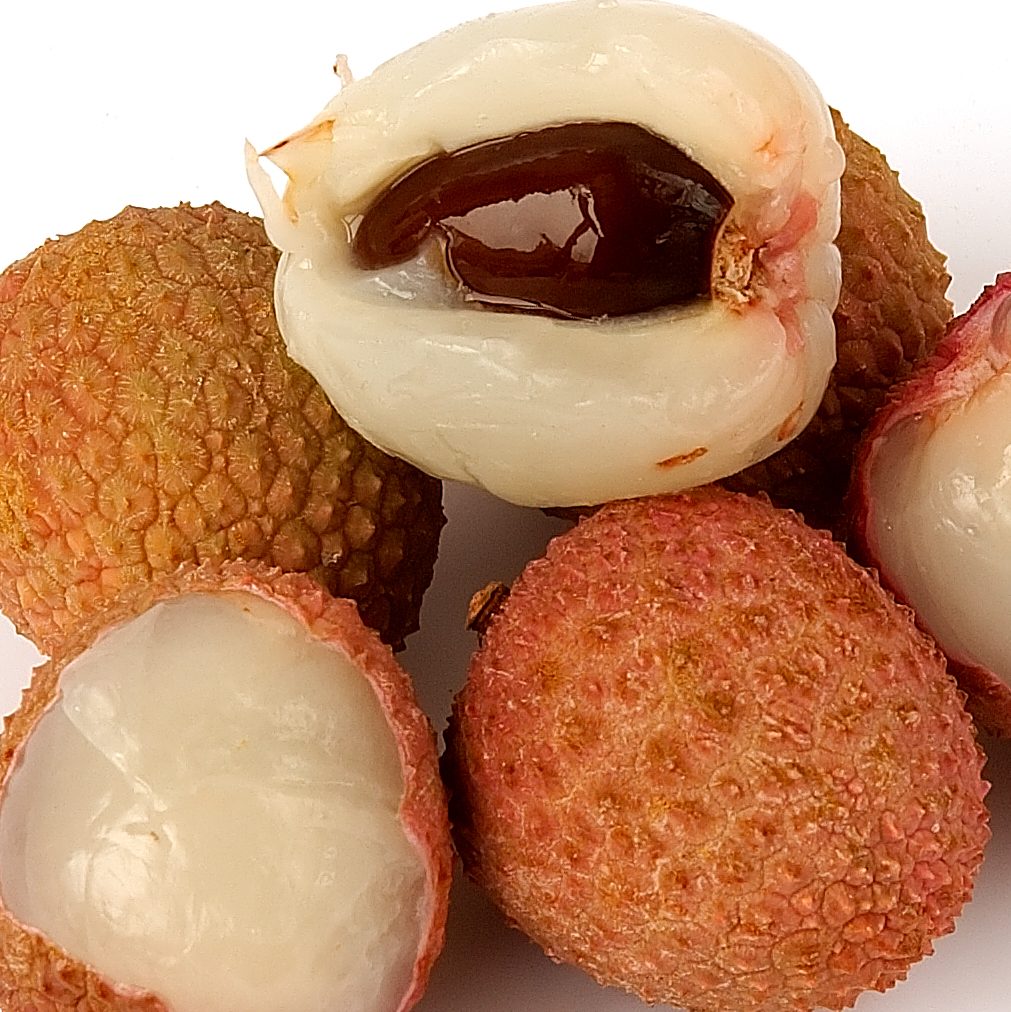
Lychee is a bright red fruit with a slightly bumpy skin, revealing juicy, sweet, floral flesh inside. Slightly larger than longan, it has a pronounced fragrance and is enjoyed fresh, canned in syrup, or blended into juices and cocktails. Lychee, which peaks in late spring to summer, symbolizes love and romance in Chinese culture and is a frequent inspiration for ancient poetry and art.
火龍果 (ㄏㄨㄛˇ ㄌㄨㄥˊ ㄍㄨㄛˇ, huǒlóng guǒ)
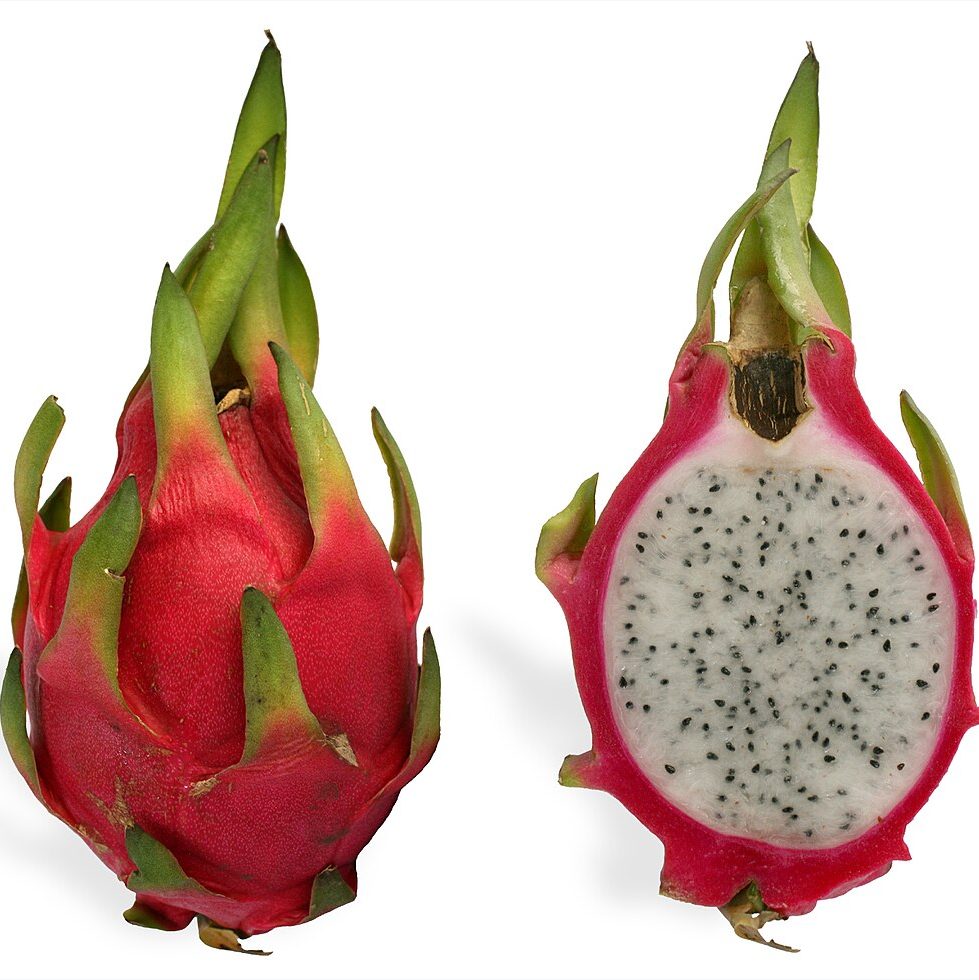
Dragon Fruit is strikingly vibrant with pink or yellow skin and green spikes. The flesh, either white or magenta with small black seeds, is mildly sweet and has a texture similar to kiwi. Popular for its visual appeal, it’s eaten raw, blended into smoothies, or added to fruit salads. Available year-round, with a peak in summer, dragon fruit is rich in antioxidants, vitamin C, and fiber, making it a health-conscious choice.
榴蓮 (ㄌㄧㄡˊ ㄌㄧㄢˊ, liúlián)
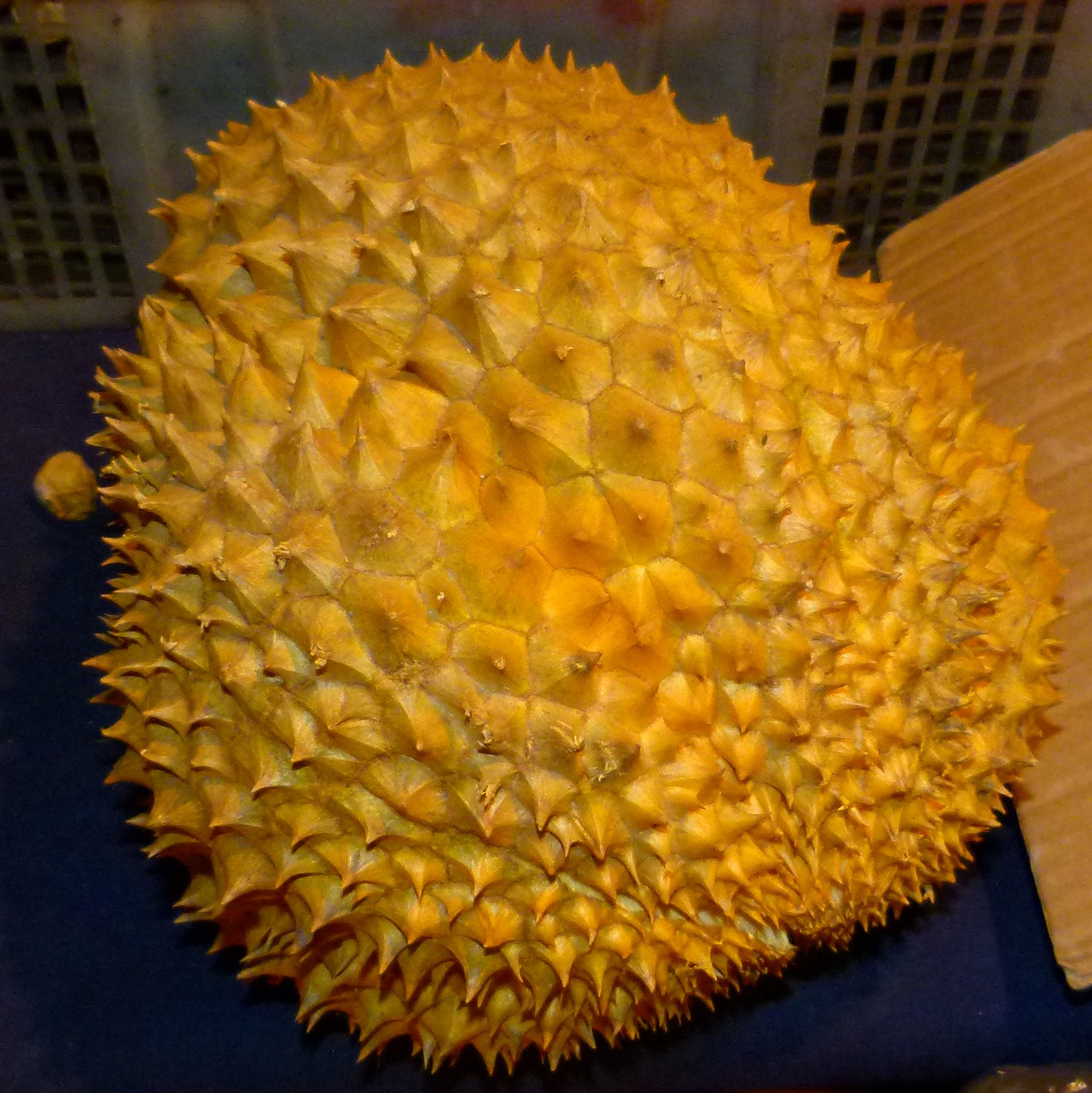
Durian, the “king of fruits,” is infamous for its strong smell, which some find unpleasant. With a spiky green shell and creamy yellow flesh, durian has a unique blend of sweet and savory flavors, often described as a mix of almonds, caramel, and onions. Eaten fresh or used in desserts like durian ice cream or mooncakes, it is a true delicacy for fans. Peaking from late spring to early autumn, it’s so pungent that it’s banned on public transport in many countries.
釋迦 (ㄕˋ ㄐㄧㄚ, shìjiā)

Sugar Apple (Custard Apple) has a green, scaly exterior and creamy, segmented flesh containing glossy black seeds. Its extremely sweet flavor is reminiscent of vanilla custard. Typically scooped out with a spoon, sugar apple is also blended into shakes and desserts. This fruit, available in autumn and winter, is nicknamed “Buddha’s head” (佛頭果) in Taiwan due to its unique shape.
楊桃 (ㄧㄤˊ ㄊㄠˊ, yángtáo)
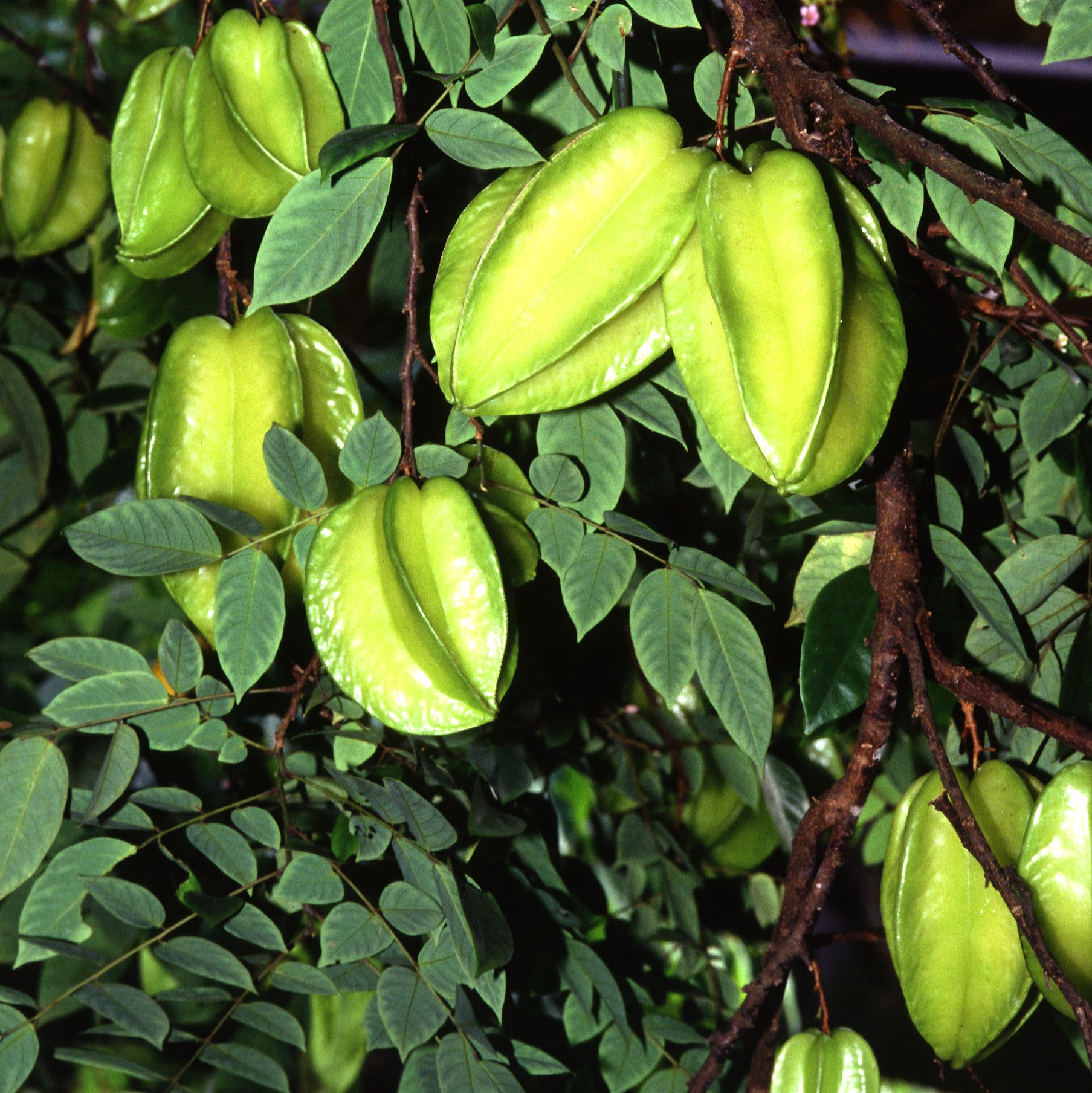
Starfruit is named for its star shape when sliced. With a glossy yellow-green skin and crisp texture, it has a mildly sweet and tangy taste. Starfruit is commonly eaten raw, juiced, or added to salads and garnishes. Available year-round, with peaks in late summer and early winter, it’s low in calories and packed with vitamin C, making it a healthy snack.
蓮霧 (ㄌㄧㄢˊ ㄨˋ, liánwù)

Wax Apple is bell-shaped with glossy red or green skin. It offers a mildly sweet flavor with a refreshing, watery crunch. Best eaten fresh, chilled, or sliced into salads, wax apple is a favorite summer snack in Taiwan, especially at night markets.
Bonus: How to say fruit platter in Chinese
| Chinese | Bopomofo | Pinyin |
|---|---|---|
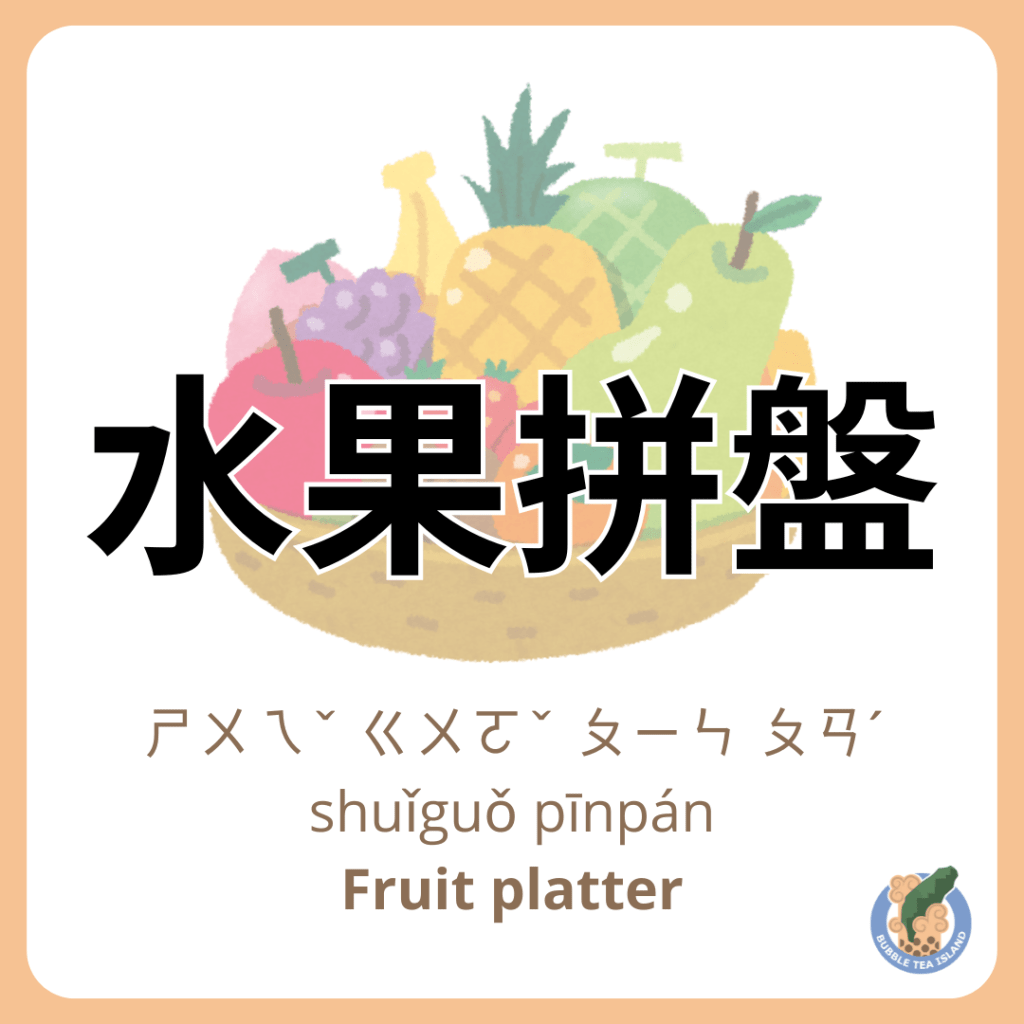
| 水果拼盤 | ㄕㄨㄟˇ ㄍㄨㄛˇ ㄆㄧㄣ ㄆㄢˊ | shuǐguǒ pīnpán |
在派對上,我準備了一個水果拼盤給大家吃。
(ㄗㄞˋ ㄆㄞˋ ㄉㄨㄟˋ ㄕㄤˋ, ㄨㄛˇ ㄓㄨㄣˇ ㄅㄟˋ ㄌㄜ˙ ㄧˊ ㄍㄜ˙ ㄕㄨㄟˇ ㄍㄨㄛˇ ㄆㄧㄣ ㄆㄢˊ ㄍㄟˇ ㄉㄚˋ ㄐㄧㄚ ㄔ)
At the party, I prepared a fruit platter for everyone to enjoy.
可以幫我點一個水果拼盤嗎?
(ㄎㄜˇ ㄧˇ ㄅㄤ ㄨㄛˇ ㄉㄧㄢˇ ㄧˊ ㄍㄜ˙ ㄕㄨㄟˇ ㄍㄨㄛˇ ㄆㄧㄣ ㄆㄢˊ ㄇㄚ˙)
Can you order a fruit platter for me?
Mastering fruit vocabulary in Mandarin can be fun and delicious. Practice these names at local markets or while enjoying tropical treats, and watch your skills grow!
Join our Substack “Mandarin Zest“, where we regularly share intermediate to advanced Chinese learning content. Make sure to subscribe!
 Bubble Tea Island