

Learning vegetable names in Mandarin is essential for shopping at markets, dining out, or simply enriching your everyday vocabulary.
Also check out our vocabulary guide for fruits in Chinese!
Essential Vegetable Vocabulary
Let’s start with some foundational words:
| Chinese | Bopomofo | Pinyin | English |
|---|---|---|---|
| 蔬菜 | ㄕㄨ ㄘㄞˋ | shūcài | Vegetables |
| 綠色蔬菜 | ㄌㄩˋ ㄙㄜˋ ㄕㄨ ㄘㄞˋ | lǜsè shūcài | Green vegetables |
| 根莖類 | ㄍㄣ ㄐㄧㄥ ㄌㄟˋ | gēnjīnglèi | Root vegetables |
| 苦 | ㄎㄨˇ | kǔ | Bitter |
| 新鮮 | ㄒㄧㄣ ㄒㄧㄢ | xīnxiān | Fresh |
| 營養 | ㄧㄥˊ ㄧㄤˇ | yíngyǎng | Nutritious |
| 味道 | ㄨㄟˋ ㄉㄠˋ | wèidào | Taste |
Here are some sample sentences to practice:
這些蔬菜很新鮮。
(ㄓㄜˋ ㄒㄧㄝ ㄕㄨ ㄘㄞˋ ㄏㄣˇ ㄒㄧㄣ ㄒㄧㄢ)
These vegetables are very fresh.
我喜歡吃綠色蔬菜,像是菠菜和青江菜。
(ㄨㄛˇ ㄒㄧˇ ㄏㄨㄢ ㄔ ㄌㄩˋ ㄙㄜˋ ㄕㄨ ㄘㄞˋ,ㄒㄧㄤˋ ㄕˋ ㄅㄛ ㄘㄞˋ ㄏㄜˊ ㄑㄧㄥ ㄐㄧㄤ ㄘㄞˋ)
I like eating green vegetables, like spinach and bok choy.
根莖類蔬菜像是馬鈴薯和紅蘿蔔。
(ㄍㄣ ㄐㄧㄥ ㄌㄟˋ ㄕㄨ ㄘㄞˋ ㄒㄧㄤˋ ㄕˋ ㄇㄚˇ ㄌㄧㄥˊ ㄕㄨˇ ㄏㄜˊ ㄏㄨㄥˊ ㄌㄨㄛˊ ㄅㄛ)
Root vegetables include potatoes and carrots.
這個菜有點苦。
(ㄓㄜˋ ㄍㄜ˙ ㄘㄞˋ ㄧㄡˇ ㄉㄧㄢˇ ㄎㄨˇ)
This vegetable is a bit bitter.
多吃蔬菜有益健康。
(ㄉㄨㄛ ㄔ ㄕㄨ ㄘㄞˋ ㄧㄡˇ ㄧˋ ㄐㄧㄢˋ ㄎㄤ)
Eating more vegetables is good for your health.
Comprehensive Vegetable Vocabulary
Here’s a larger selection of vegetables, including their names in Traditional Chinese, Bopomofo, Pinyin, and English.
| Chinese | Bopomofo | Pinyin | English |
|---|---|---|---|
| 白菜 | ㄅㄞˊ ㄘㄞˋ | báicài | Chinese cabbage |
| 青江菜 | ㄑㄧㄥ ㄐㄧㄤ ㄘㄞˋ | qīngjiāngcài | Bok choy |
| 菠菜 | ㄅㄛ ㄘㄞˋ | bōcài | Spinach |
| 紅蘿蔔 | ㄏㄨㄥˊ ㄌㄨㄛˊ ㄅㄛ | hóngluóbo | Carrot |
| 馬鈴薯 | ㄇㄚˇ ㄌㄧㄥˊ ㄕㄨˇ | mǎlíngshǔ | Potato |
| 地瓜 | ㄉㄧˋ ㄍㄨㄚ | dìguā | Sweet potato |
| 茄子 | ㄑㄧㄝˊ ㄗˇ | qiézi | Eggplant |
| 花椰菜 | ㄏㄨㄚ ㄧㄝˊ ㄘㄞˋ | huāyécài | Broccoli (Taiwan) |
| 高麗菜 | ㄍㄠ ㄌㄧˋ ㄘㄞˋ | gāolìcài | Cabbage (Taiwan) |
| 洋蔥 | ㄧㄤˊ ㄘㄨㄥ | yángcōng | Onion |
| 青蔥 | ㄑㄧㄥ ㄘㄨㄥ | qīngcōng | Scallion/Green onion |
| 蒜頭 | ㄙㄨㄢˋ ㄊㄡˊ | suàntóu | Garlic |
| 玉米 | ㄩˋ ㄇㄧˇ | yùmǐ | Corn |
| 香菇 | ㄒㄧㄤ ㄍㄨ | xiānggū | Shiitake mushroom |
| 金針菇 | ㄐㄧㄣ ㄓㄣ ㄍㄨ | jīnzhēngū | Enoki mushroom |
Regional Fruit Names
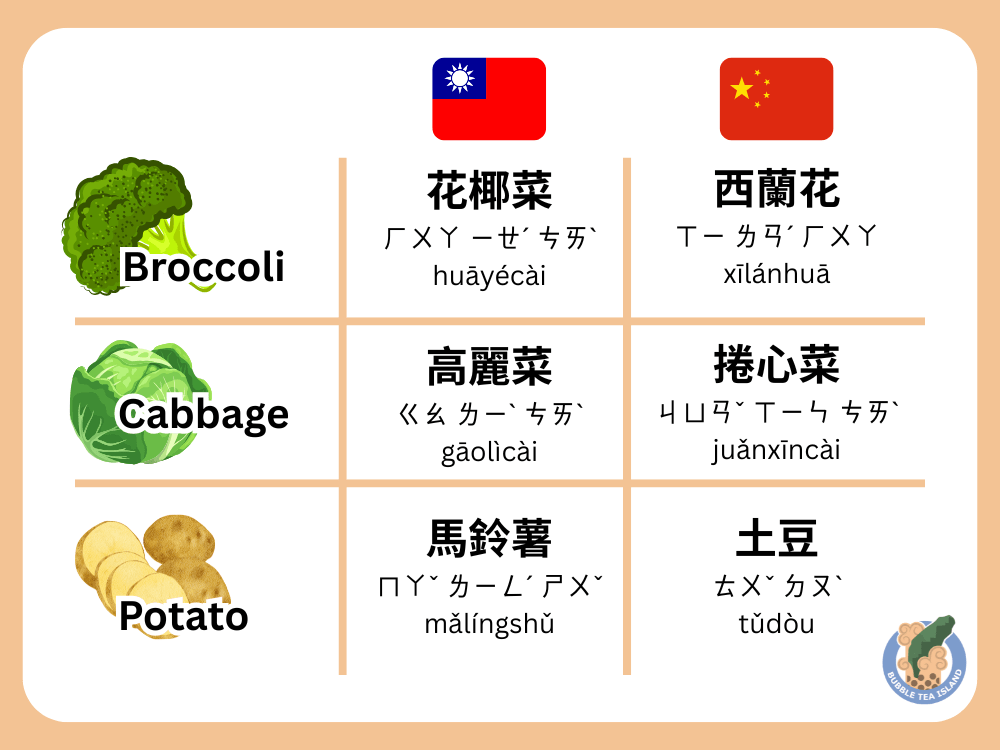
Some vegetables have different common names depending on the region.
| Vegetable | Taiwan Name (Traditional) | Mainland Name (Simplified) |
|---|---|---|
| Broccoli | 花椰菜 | 西兰花 |
| Cabbage | 高麗菜 | 捲心菜 |
| Potato | 馬鈴薯 | 土豆 |
Unique Regional Vegetables from Taiwan and China
Some vegetables are unique to Chinese-speaking regions or play a prominent role in local diets and traditions. These might be harder to find in the West but are very common in Taiwanese and Chinese home cooking.
空心菜 (ㄎㄨㄥ ㄒㄧㄣ ㄘㄞˋ, kōngxīncài)

Water spinach, also known as morning glory or “hollow vegetable,” is popular in stir-fries throughout Taiwan and southern China. Its hollow stems cook quickly and absorb flavors well, especially with garlic or fermented tofu. In Taiwan, it’s often served as 炒空心菜 (stir-fried water spinach).
A菜 (ㄚ ㄘㄞˋ, ācài)
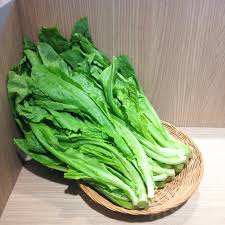
This leafy green, native to Taiwan, resembles romaine lettuce but is more tender and slightly sweet. A菜 is commonly stir-fried with garlic or blanched and served with soy sauce. It’s a staple green in many Taiwanese households and night market dishes.
小白菜 (ㄒㄧㄠˇ ㄅㄞˊ ㄘㄞˋ, xiǎobáicài)
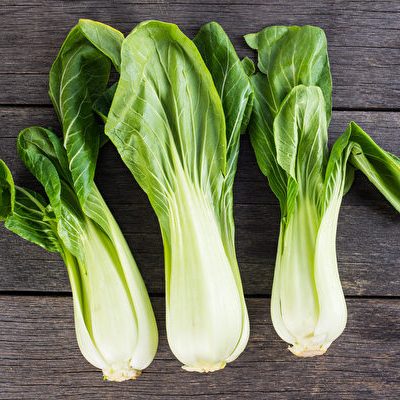
Often confused with bok choy, baby bok choy is a small, tender vegetable frequently found in Taiwanese hot pots and stir-fries. Its mild flavor makes it suitable for soups or simple side dishes.
茼蒿 (ㄊㄨㄥˊ ㄏㄠ, tónghāo)

Known as garland chrysanthemum or crown daisy, this leafy green has a strong, aromatic flavor and is popular in hot pot dishes in both Taiwan and China. It’s also known for its nutritional value and medicinal properties in traditional Chinese medicine.
豆苗 (ㄉㄡˋ ㄇㄧㄠˊ, dòumiáo)

Pea shoots are tender, sweet leaves and stems of the pea plant. Common in Taiwan and southern China, they’re usually quickly stir-fried or cooked with garlic and stock. They’re especially loved for their delicate texture and bright green color.
絲瓜 (ㄙ ㄍㄨㄚ, sīguā)

Loofah (yes, the same plant that becomes a sponge when dried!) is eaten as a vegetable in Taiwan and southern China. When cooked, its texture becomes soft and slightly slimy, like zucchini, and it’s often stir-fried with shrimp or used in soups. Taiwanese cuisine frequently pairs it with clams or glass noodles.
Mastering vegetable vocabulary in Chinese helps you shop at traditional markets, read menus, and eat healthier — all while boosting your Mandarin fluency. Practice a few words each day, and you’ll be stir-frying your way to fluency in no time!
Join our Substack “Mandarin Zest“, where we regularly share intermediate to advanced Chinese learning content. Make sure to subscribe!
 Bubble Tea Island