
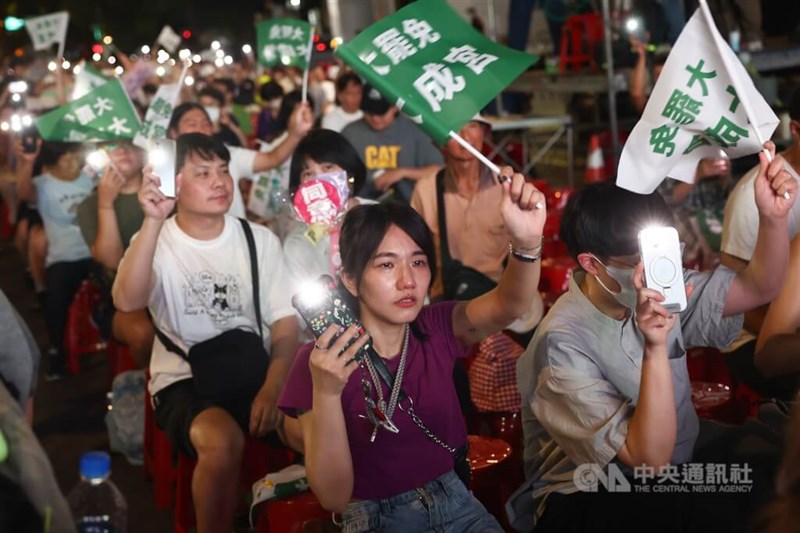
In the wake of Taiwan’s unprecedented recall campaign that aimed to unseat 31 opposition legislators, there’s one question many people are starting to ask: Are Taiwan’s recall laws helping democracy—or hurting it?
This past weekend’s results were clear. All 24 constituencies that voted rejected the recalls. That’s a major blow for the civil groups and ruling Democratic Progressive Party (DPP) supporters who hoped to flip the balance of power in the legislature. But beyond the headlines, this episode shines a light on a deeper issue: How easy should it be to recall an elected official in a democratic society?
Let’s dig into it.
Taiwan’s Recall Laws: A Tool for the People—or a Political Weapon?
In Taiwan, recall votes are legal and constitutionally enshrined. To recall a legislator, the process typically involves:
- Gathering enough valid signatures to initiate the process.
- Holding a public vote, where over 25% of eligible voters must support the recall, and the number of yes votes must exceed no votes.
On paper, it sounds like a reasonable check-and-balance system. Citizens have the right to hold their representatives accountable. But in practice, we’ve seen something else unfold: recall votes being used as political revenge.
Take this most recent campaign. The recalls weren’t launched because of corruption, scandal, or gross misconduct. Instead, they targeted lawmakers for their voting behavior—opposing DPP-backed bills and budget proposals. That’s… literally their job in a multiparty democracy.
How Does This Compare Globally?
Recalls aren’t unique to Taiwan. Other democracies have similar mechanisms—but they’re often much more restricted.
In the United States, for instance, only some states allow recalls, and the bar to trigger them is often higher. Even then, successful recalls are rare. One high-profile case was California Governor Gavin Newsom’s recall vote in 2021, which he survived comfortably.
In Europe, the concept of recalls is even more limited. In most parliamentary systems, elected officials are meant to serve their term unless they’re found guilty of wrongdoing or lose a no-confidence vote in parliament.
What sets Taiwan apart is how accessible and frequent recalls have become, especially over the past decade. We’ve now reached a point where they are being used as a normal part of political maneuvering—not as a rare safeguard.
A Polarized Environment Makes It Worse
The danger here isn’t just that recalls are being overused. It’s how polarized Taiwan’s politics have become.
The KMT and DPP have starkly different visions for Taiwan’s future—especially when it comes to relations with China. This divide has fueled an increasingly confrontational political culture where recalls are less about accountability and more about retaliation.
And the consequences? More public distrust. More voter fatigue. More division.
Instead of strengthening democracy, recall votes can become a distraction from governing and policymaking. They erode confidence in the electoral process and undermine the legitimacy of elected representatives. That’s not a road Taiwan—or any democracy—wants to go down.
Time for Reform?
It might be time for Taiwan to take a hard look at its recall system. Some ideas that have been floated by political observers and legal scholars include:
- Raising the threshold of voter participation needed for a recall to pass.
- Introducing stricter criteria for what constitutes a legitimate reason for a recall.
- Limiting the time frame during which a recall can be filed (for example, not within the first or last year of a term).
Reform won’t be easy—especially when the very lawmakers who would vote on changes are also the ones most affected. But if Taiwan wants to protect its democracy from being hijacked by political vendettas, this conversation can’t wait.

Taiwan has long been praised as one of Asia’s most vibrant and resilient democracies—and rightfully so. The fact that such a controversial recall campaign could even happen shows the system is alive and active.
But that doesn’t mean it’s perfect.
Recalls should be a democratic safety valve, not a sword drawn in every political battle. As citizens, voters, and observers of Taiwan’s political life, it’s worth asking: Are we using democratic tools to strengthen democracy—or to weaken it?
Let’s hope Taiwan’s next move is to protect the spirit of its democracy, not just the letter of the law.
 Bubble Tea Island