

Last week, I received a very special gift from Umi Tea Sets: a Yixing Red Clay Xi Shi Lotus Teapot. As someone who loves tea but usually brews it in larger Western-style teapots, this was my very first Yixing teapot, and I couldn’t wait to try it.
When I unboxed it, I was struck by how small it was. Just 200 ml, enough for about two-thirds of a standard mug. At first glance, I couldn’t help but think: how can anyone make tea with such a tiny pot? But then, memories of the many tea ceremonies I attended in Taiwan came rushing back. I could picture the tea masters carefully pouring steaming water into elegant little teapots, filling and refilling tiny cups in a slow, graceful rhythm. Suddenly, the size made perfect sense.

This wasn’t about brewing a huge amount of tea at once. It was about savoring it slowly, infusion after infusion, and appreciating how the flavors evolve over time.
The Magic of Yixing Clay
So, what makes a Yixing teapot so special? These teapots are crafted from ZiSha (紫砂), purple clay that comes exclusively from Yixing (宜興), a city in Jiangsu province, China. Tea lovers around the world treasure them because of their unique natural properties:
- A memory for tea: ZiSha clay has a porous structure that allows it to “remember” the tea brewed in it. Over time, the pot absorbs the fragrance and oils from the leaves, creating a richer, deeper aroma. For this reason, tea enthusiasts dedicate one Yixing teapot to a single type of tea — oolong (烏龍茶), pu’erh (普洱茶), black tea (紅茶), or green tea (綠茶). Switching between types could mix flavors and confuse the pot’s “memory.”
- Getting better with age: Unlike most kitchen tools that wear out with use, a Yixing teapot only gets better. With each brew and gentle cleaning, the clay develops a shiny patina that makes the pot smoother, more beautiful, and more “spiritual”, almost like it comes alive with the tea.
- Heat stability: Because the clay is sandy and transfers heat slowly, the teapot is surprisingly stable under high temperatures. Traditionally, Yixing teapots could even be placed directly on a stove without cracking, which shows just how durable they are.
It’s no exaggeration to say that for many tea connoisseurs, a Yixing teapot is considered the best possible way to steep tea.

The Xi Shi Lotus Teapot
The teapot I received from Umi Tea Sets is made of Dahongpao (大紅袍泥) red clay, one of the prized variations of Yixing clay. It’s shaped in the Xi Shi (西施) Lotus style, named after one of the Four Beauties of ancient China. The body is round and smooth, with elegant curves meant to embody grace and refinement. Just holding it in my hand, I could feel the balance between simplicity and artistry.
It holds 200 ml (about 6.7 oz), which may sound small, but is just the right size for gongfu (工夫茶) brewing, the traditional Chinese method that involves making multiple short infusions rather than one long steeping.


This teapot was crafted by Shen Huifang (沈惠芳), a highly respected Yixing artist and member of the Yixing Pottery Association. Born in 1970 in Yixing itself, she has been making purple clay teapots since childhood and is especially known for her Xi Shi (西施) and Shi Piao (石瓢) pots. Having a piece of her craftsmanship feels like holding a little piece of living tradition in my hands.
My First Brewing Session
Because of EU import regulations, Umi Tea Sets couldn’t send me tea directly from China — and honestly, I had almost forgotten how strict those rules have become. Luckily, I had brought back some wonderful teas from Taiwan, and this gave me the perfect excuse to open up a packet of Fine Rose Oolong (玫瑰烏龍茶). Light, floral, and fragrant, it felt like just the right choice for my first brewing with the Xi Shi Lotus.
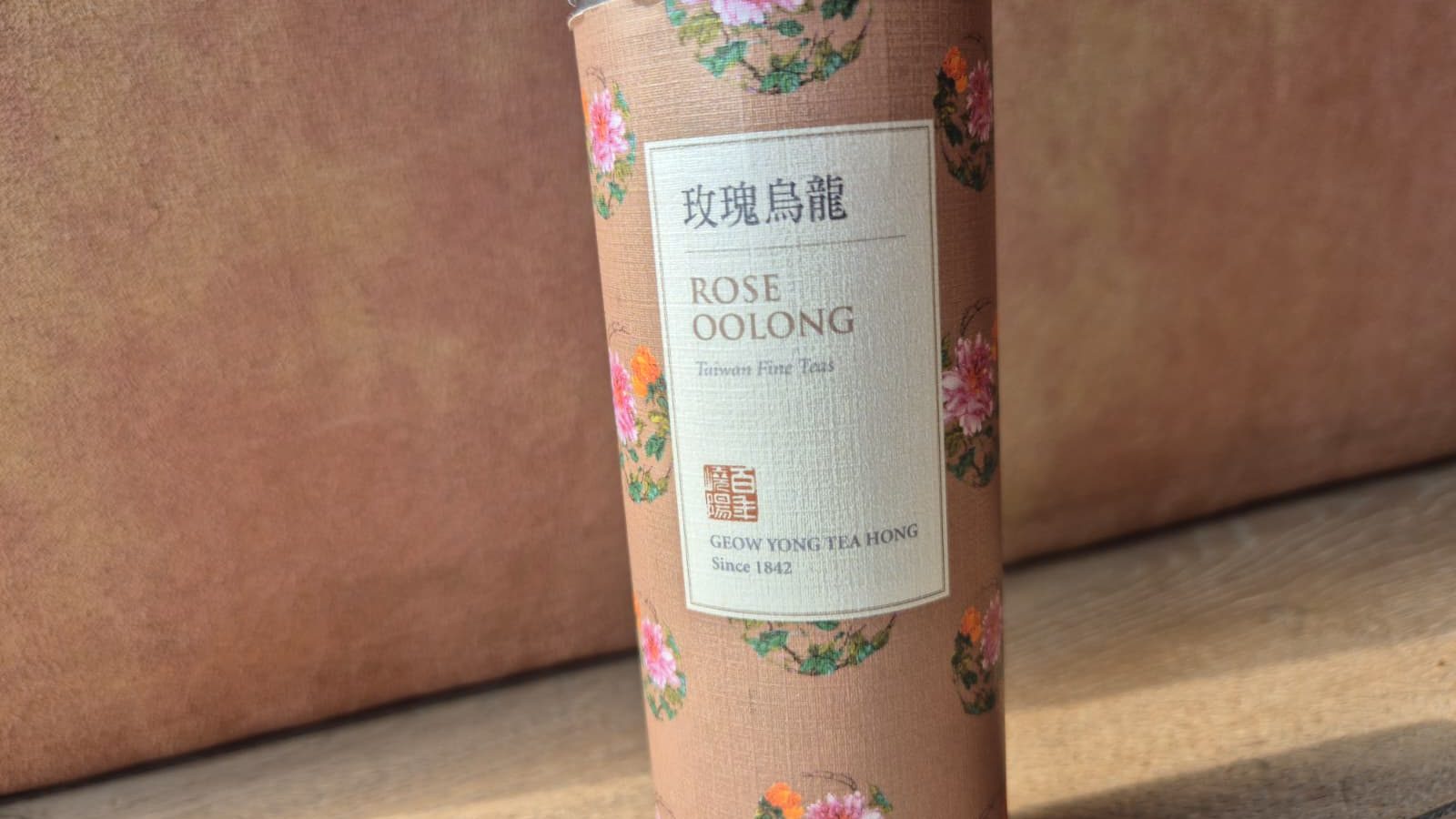
Preparing my first session with the teapot was a small ritual in itself:
- Warming the pot: I poured hot water into the teapot and cups, letting them heat up before discarding the water. This step may seem minor, but it helps keep the brewing temperature consistent.
- Adding the leaves: I filled the pot with a generous spoonful of rose oolong, enough to allow the leaves to expand fully with each infusion.
- First rinse: A quick splash of hot water to “wake up” the leaves, then immediately pouring it out.
- Infusion: I added fresh hot water and let the tea steep for just 20 seconds before pouring it into my small cups. The aroma was delicate, floral, and calming.
Each subsequent infusion revealed something slightly different, sometimes sweeter, sometimes more floral, sometimes more rounded. Brewing in this way made me slow down and pay attention, which is something I don’t always do when making tea in a big pot.
Brewing with this Yixing teapot transported me back to Taiwan, where I’d sit at low wooden tables while a tea master gracefully poured infusion after infusion. There’s a sense of intimacy and connection that comes with this way of brewing. Instead of one big cup to sip absentmindedly, you get many small cups, each one a chance to pause, notice the flavor, and enjoy the moment.
For me, this first experience with a Yixing teapot was about more than just taste. It was about reconnecting with memories of Taiwan, slowing down, and bringing a touch of ceremony into my daily life.
I first wanted to record a video to show off the Tea Pot, but then realized Umi Tea Sets already has one that is in better quality than what I could do myself.
I may be new to the world of Yixing teapots, but I can already see why they’re considered essential by so many tea lovers. The Yixing Red Clay Xi Shi Lotus Teapot from Umi Tea Sets is both practical and beautiful, a tool for brewing and a piece of craftsmanship that feels alive with history and tradition.
If you’re used to larger teapots like me, the size may surprise you at first. But once you brew gongfu-style, you’ll realize how much depth and nuance a small pot can bring out. And the more you use it, the more it becomes your pot — infused with the memory of your favorite tea.
For anyone curious about deepening their tea journey, I think starting with a Yixing teapot is an excellent step. Mine already feels like a treasured companion, and I can’t wait to see how it evolves with time and use. I already know it will only be used for Oolong tea, which represents 90% of my tea collection.
I want to thank Umi Tea Pots for sending me this lovely Yixing Tea Pot! Make sure to check out their website!

How to Brew Tea with a Yixing Pot?
Here are some instructions on how to use a Yixing teapot if you ever get one. With such a pot, brewing becomes part of the experience.
- Warm the teapot & cups
- Pour hot water into the teapot and cups to heat them up, then discard the water.
- This helps maintain water temperature during brewing.
- Add tea leaves
- Use a generous amount of tea (usually 1/3–1/2 of the teapot’s volume).
- Oolong, puerh, or fine green teas are often used.
- Rinse the leaves (optional)
- Pour hot water over the leaves, immediately pour it out.
- This “wakes up” the tea and removes any dust.
- First infusion
- Fill with hot water (temperature depends on tea type).
- Steep only a short time — often just 10–30 seconds.
- Pour into small cups (or a fairness pitcher 公道杯, if you have one) and serve.
- Multiple infusions
- Good tea leaves can be brewed many times (sometimes 5–10+).
- Each infusion may taste slightly different — that’s part of the experience.
 Bubble Tea Island