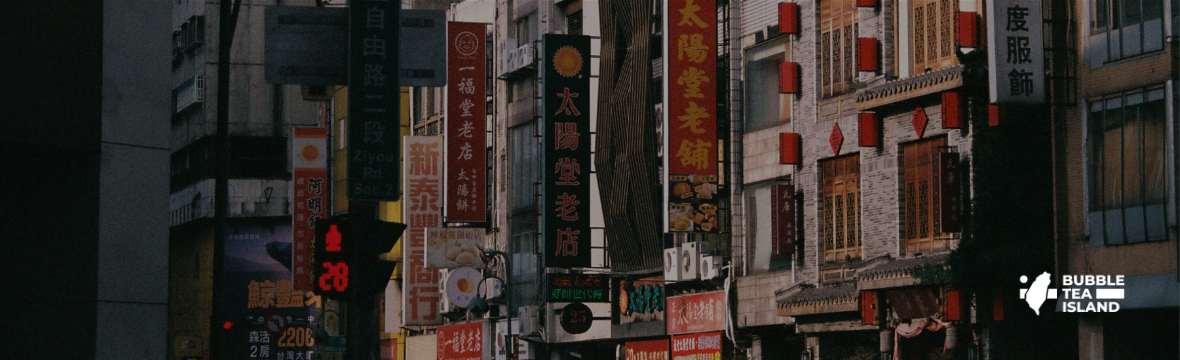

When friends back home picture Taiwan, they imagine temples, scooters, night markets, and bubble tea on every corner — which, fair enough, all exist. But whenever I visit and sip my morning coffee, I inevitably hear the same comment:
“It must be weird drinking coffee after spending so much time in Asia. Don’t people mostly drink tea there?”
I always laugh, because if you’ve spent even a week in Taiwan, you know the truth: this island runs on coffee. Not tea. Not bubble tea. Coffee.
And not just a little. Taiwan today drinks more coffee than ever before in its history — and, incredibly, more coffee than tea.
Coffee Has Quietly Taken Over
It still surprises people when I tell them that the average Taiwanese person now consumes around 177 cups of coffee per year, which places Taiwan among the highest coffee consumers in Asia, right behind Japan and South Korea. Tea, meanwhile, sits at roughly 160 cups annually.
This shift didn’t happen overnight. Older generations remember when coffee was mostly instant, found in tiny cans in convenience stores. In the early 1990s, Taiwan’s per-person consumption was closer to 35 cups a year — basically nothing. Over the decades, as travel became more common, Western cafés spread across Asia, and younger Taiwanese developed a taste for espresso-based drinks, consumption exploded. Some recent surveys even estimate the number is now above 200 cups.
Suddenly, coffee wasn’t a luxury or a Western novelty. It became the drink you grabbed before work, the treat you bought on a break, the weekend café ritual.
A Country Filled With Coffee Shops
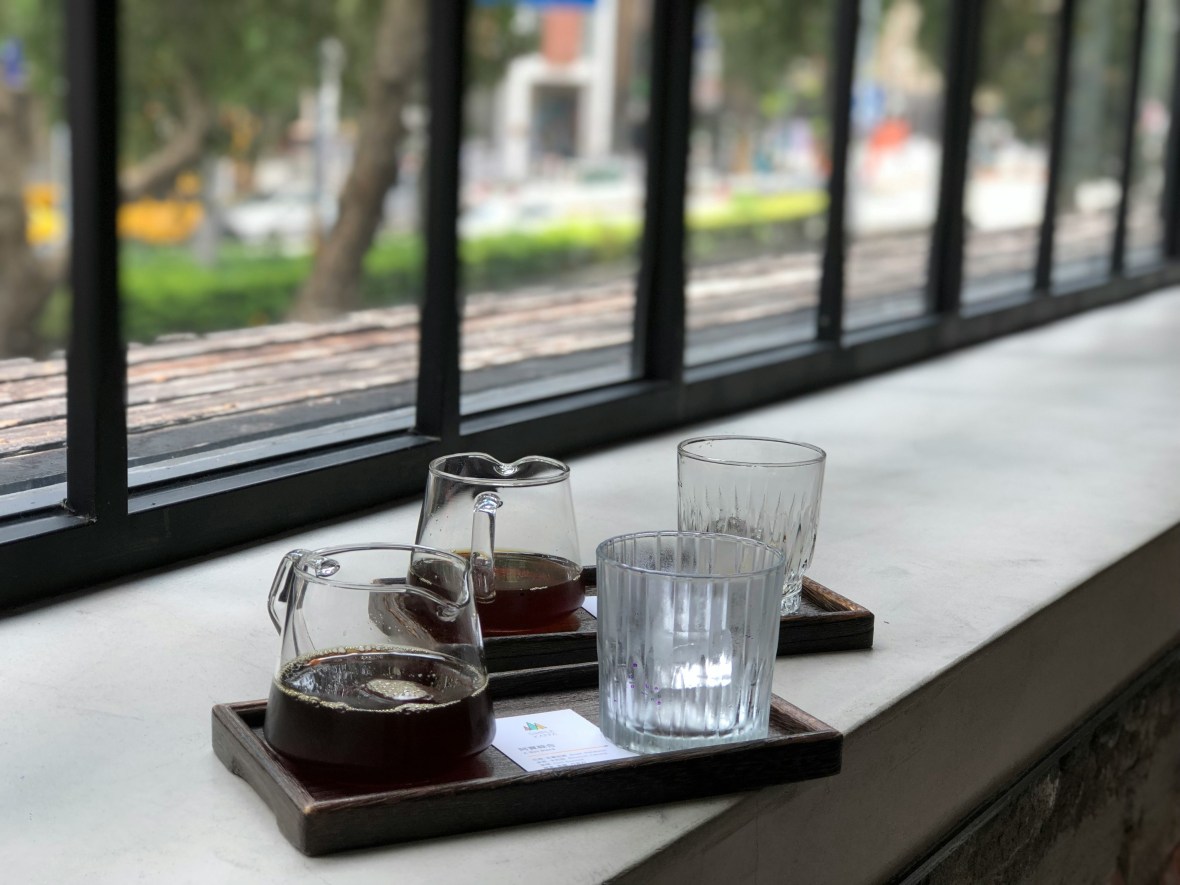
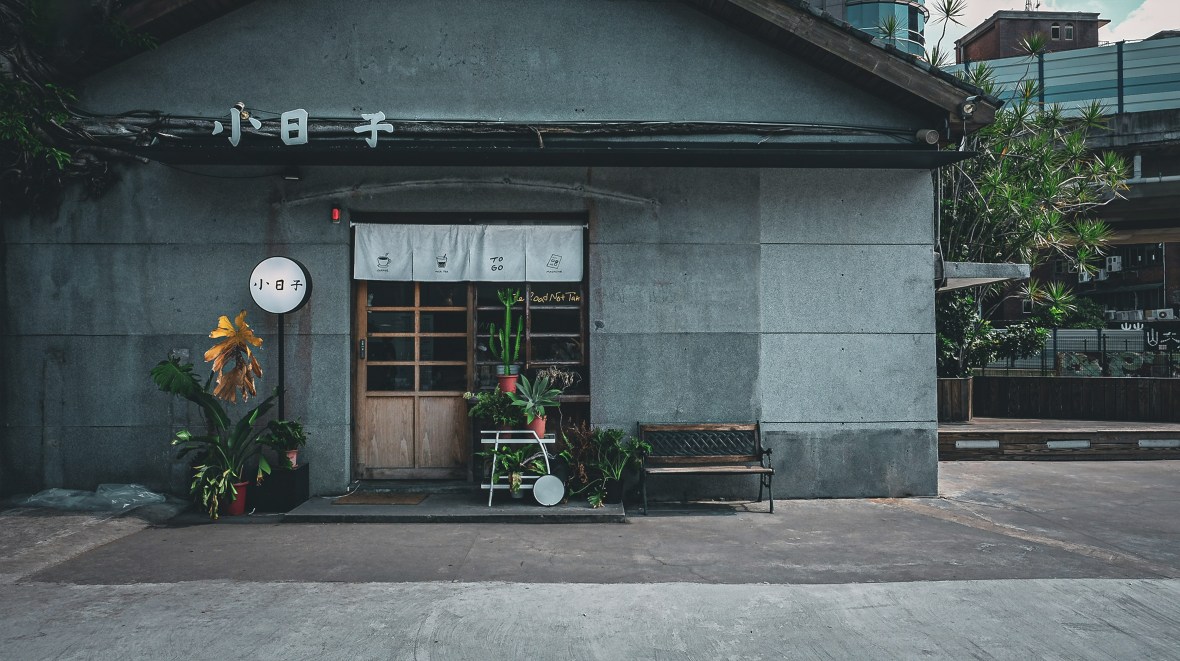
This cultural shift is obvious the moment you start walking around a Taiwanese city. Coffee shops are everywhere — down alleys, inside bookstores, above clothing shops, next to temples, even inside old Japanese-era houses.

The Ministry of Finance reported nearly 5,000 registered cafés by late 2024. Some newer datasets put the number even closer to 6,000. For an island of 23 million people, that’s astonishing. It gives Taiwan one of the highest coffee-shop densities in the world.
What I love most is how diverse these cafés are. You have the ultra-minimalist Japanese-inspired pour-over places. The warm, wood-filled neighborhood shops where the barista knows every customer. The quirky ones themed around cats, plants, vintage furniture, or art. And yes, the chains — lots of them.
Starbucks: The Giant That Took Root
Starbucks was one of the first major players to shape Taiwan’s modern coffee landscape. The brand settled into Taiwanese cities so well that by 2024, it had over 570 branches.
For comparison: Belgium, where I’m from — a country just slightly smaller than Taiwan — has only 36.
Taipei even has the largest Starbucks Reserve flagship store in all of Asia, which looks more like a coffee museum crossed with a designer loft than a normal café. Most tables are taken by people working remotely, students studying, or groups chatting for hours. In Taiwan, Starbucks isn’t just a place to buy a latte; it’s practically a third living room.
Louisa Coffee: Taiwan’s Own Success Story
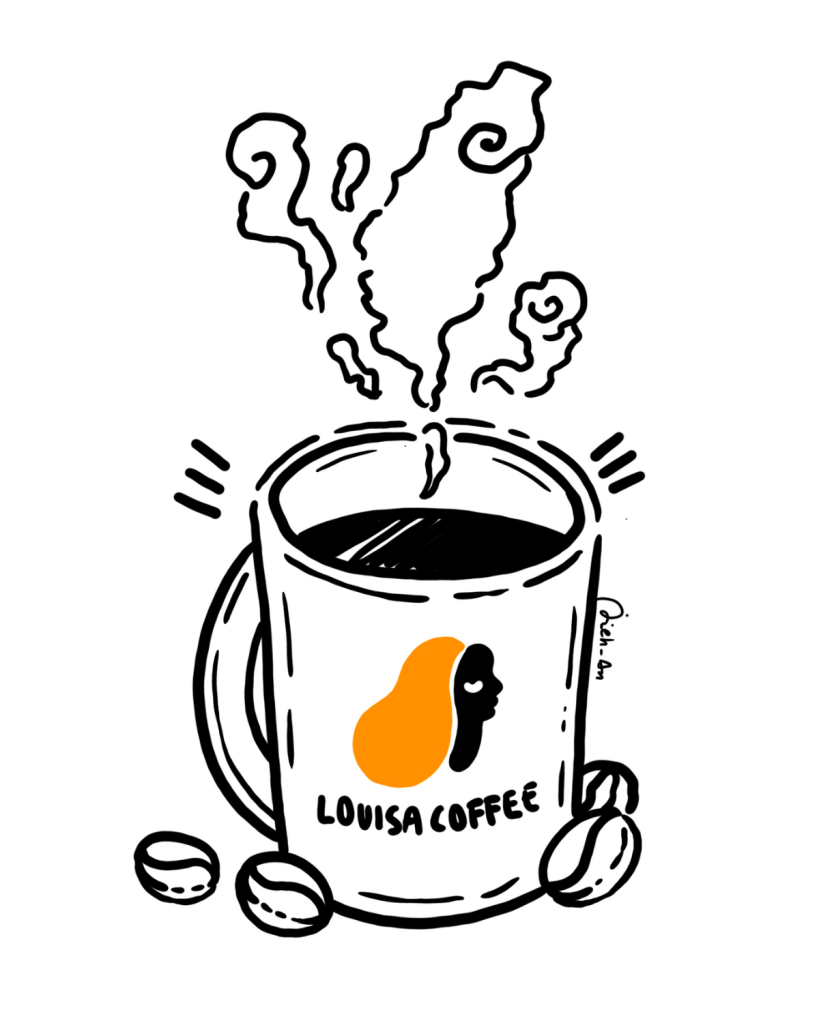
But as much as Starbucks is part of daily life here, the real local champion is Louisa Coffee — a brand that many visitors have never heard of but immediately notice once they arrive.
Louisa started small and grew rapidly. As of 2023, it already had 558 locations, and it’s expected to cross 600 stores by 2026, which would make it even larger than Starbucks in Taiwan. In some neighborhoods, you’ll find a Louisa on one corner and another Louisa across the street, which is a very Taiwan thing to do.
The brand is affordable, consistent, and relaxed — a mix of Taiwanese practicality and Western café aesthetics. They’ve even opened branches abroad in Singapore and Thailand, slowly exporting Taiwan’s café culture.
The True Powerhouse: Convenience Store Coffee
Yet, despite all the cafés, most coffee in Taiwan is probably bought somewhere very unglamorous: convenience stores.
7-Eleven and FamilyMart dominate the landscape with nearly 14,000 stores combined. If you wander around Taiwan long enough, the distance between convenience stores starts feeling shorter than the distance between your kitchen and your bathroom.
These stores sell shockingly good coffee — and for cheap. They use the same beans Starbucks uses for some of its drinks, but a large Americano costs a fraction of the price. People grab one on the way to work, after lunch, before class, at midnight… they’re basically open-air caffeine pumps.
It’s no wonder Taiwan now consumes billions of cups of coffee a year.
The Rise of Specialty Coffee
But the most interesting part of Taiwan’s coffee story isn’t the chains — it’s the specialty scene.
Café-hopping has become a hobby, almost a lifestyle, for many Taiwanese, especially in Taipei, Taichung, and Tainan. New cafés open constantly, each one trying to offer something slightly different: a special roast, a rare bean, a beautifully designed space.
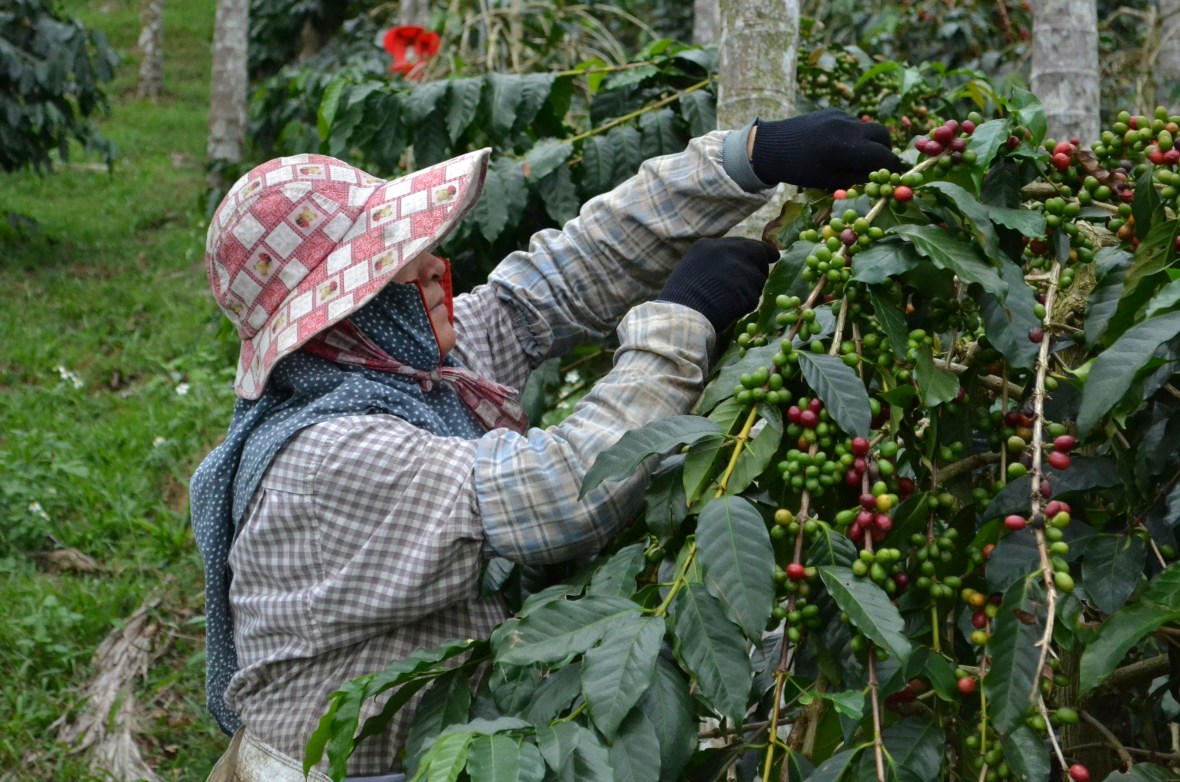
Even domestic coffee production — something once niche — is gaining traction. Farmers in Pingtung, Chiayi, Taitung, and Nantou grow small batches of high-quality beans. They’re pricier, but they’ve gained a following among local roasteries and coffee lovers who want a “Taiwanese terroir” experience.
Local beans can taste surprisingly fruity or floral, often influenced by Taiwan’s unique microclimates and mountainous terrain. In a country that already prides itself on its tea craftsmanship, this move toward artisanal coffee feels like a natural evolution.
Coffee as Part of Taiwan’s Identity
When you look at all of this together — the numbers, the cafés, the convenience stores, the specialty roasters — a pattern emerges. Coffee in Taiwan isn’t just a drink. It’s part of modern Taiwanese identity.
It’s tied to work culture, dating culture, weekend routines, and social life. It reflects Taiwan’s global outlook and its ability to take international ideas and adapt them into something local, and often, something better.
Tea will always be important here — as a tradition, a cultural symbol, and a daily comfort. But coffee has become the everyday fuel.
So, No — It’s Not “Weird” to Drink Coffee in Asia
Every time someone back home jokes that I must miss “real European coffee,” or asks whether it feels strange to drink coffee in Asia, I wish I could take them on a walk through Taipei.
We’d start at an independent roastery hidden in a back alley, grab a pour-over made from beans grown in the mountains of Alishan, walk past a Louisa across from a Starbucks, stop in a convenience store for a NT$50 Americano, and end the day at one of the massive Starbucks Reserve spaces that look like a design magazine cover.
By the second cup, they’d get it.

Taiwan might be famous for bubble tea — and rightfully so — but it’s also one of Asia’s great coffee capitals. And the story is nowhere near over. The café scene is still growing, consumption keeps rising, and specialty roasters are pushing boundaries year after year.
As someone who loves both coffee and Taiwan, I couldn’t be happier.
 Bubble Tea Island