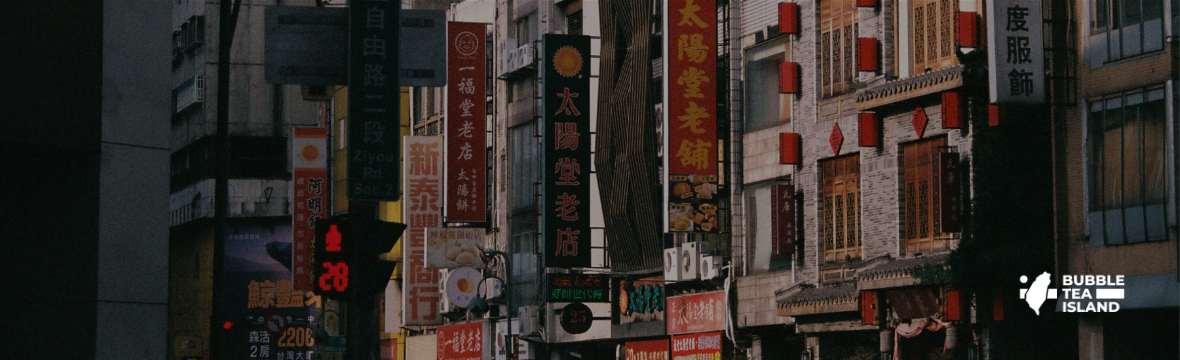

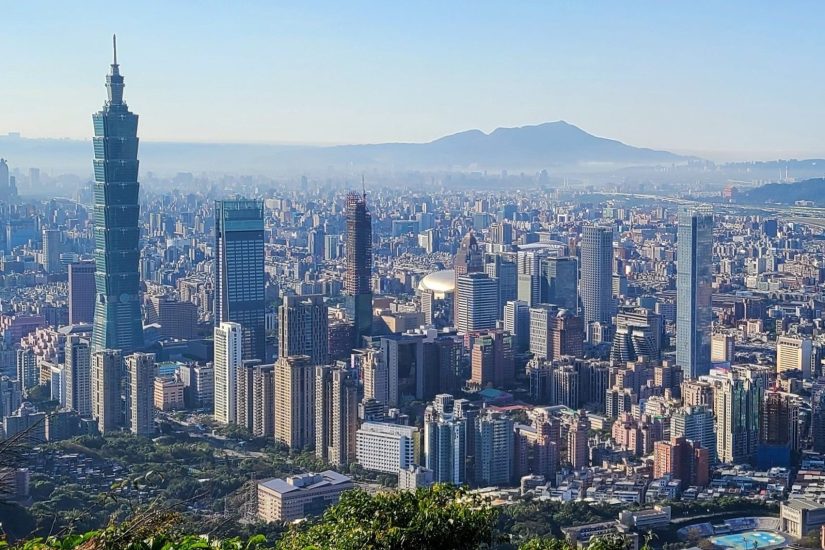
When you think of Taiwan, one building immediately comes to mind: Taipei 101. Towering over the city skyline, it’s a symbol of national pride, ambition, and modernity. But few people know that the skyscraper we know today almost looked completely different—and its journey from concept to iconic landmark is a fascinating story.
The Original Vision: 59 Floors and a Modest Start
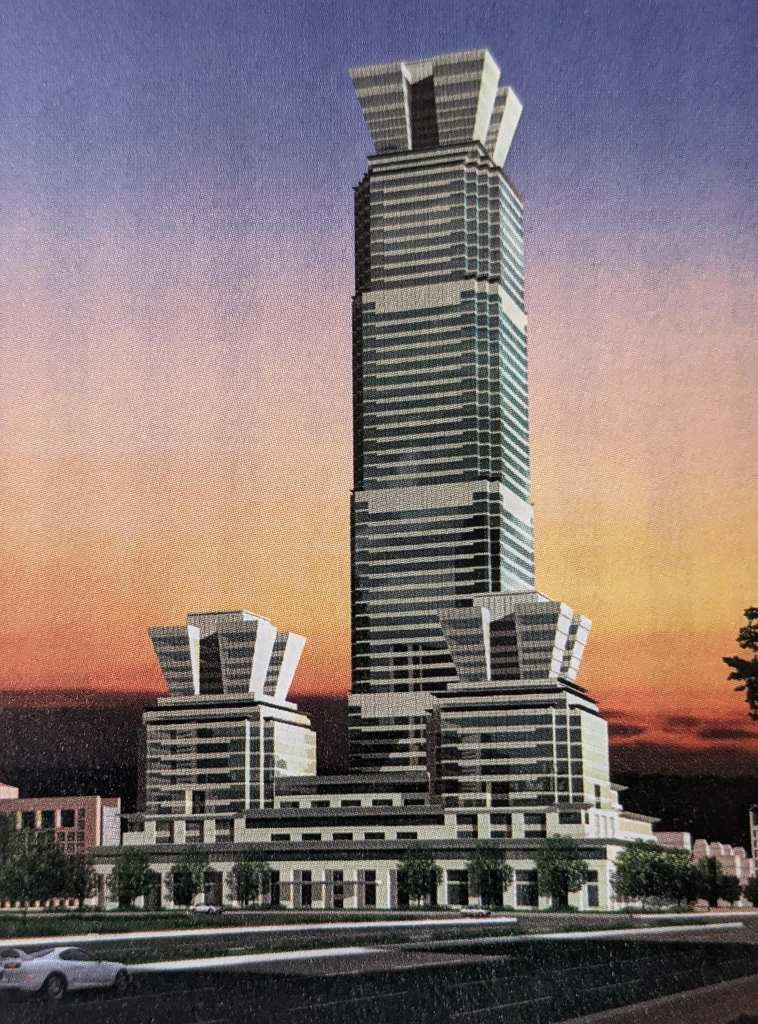
Planning for Taipei 101, or as it was originally known the Taipei World Financial Center, began in July 1997, during Chen Shui-bian’s term as Taipei mayor. At first, discussions between city officials and local merchants focused on a relatively modest proposal: a 66-story tower to anchor the new Business District in Taipei.
The tower’s initial design, created by renowned architect C.Y. Lee, featured a 59-story main tower flanked by two mid-rise buildings. The number of floors was later increased to 66. The design reflected practical urban planning needs, but also incorporated a symbolic touch: the number 66, inspired by the Chinese saying 六六大順 (liù liù dà shùn, “66 Great Luck”). This phrase, rooted in ancient philosophy, conveys the idea of smooth progress and favorable outcomes—an auspicious start for a major financial district.
A Bold Suggestion Changed Everything
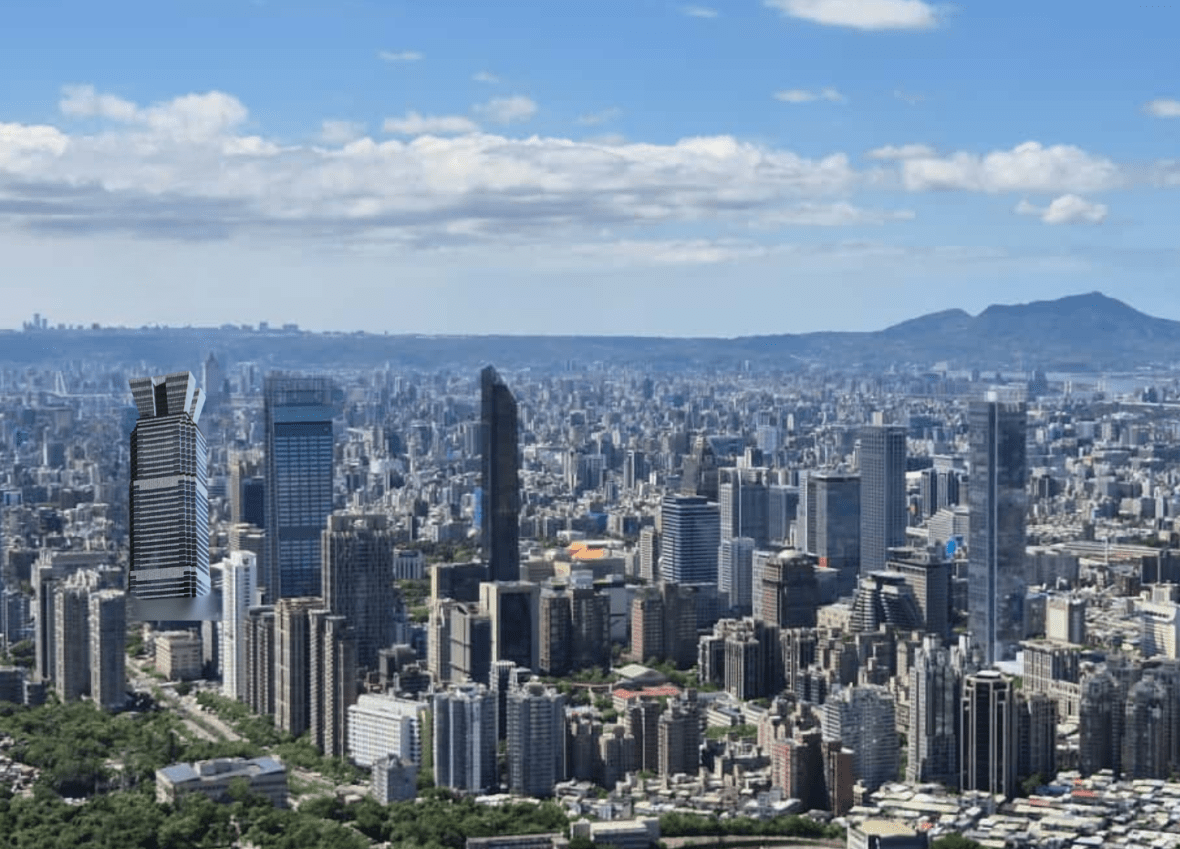
The project might have stayed at 66 stories if not for an unexpected twist. During early planning, an expat advisor suggested taking the building to a more ambitious height and incorporating several other design features that would become hallmarks of Taipei 101. The idea was audacious: instead of just building a tall office tower, why not create a world-class landmark that would put Taipei on the map?
The Leap to 101 Floors
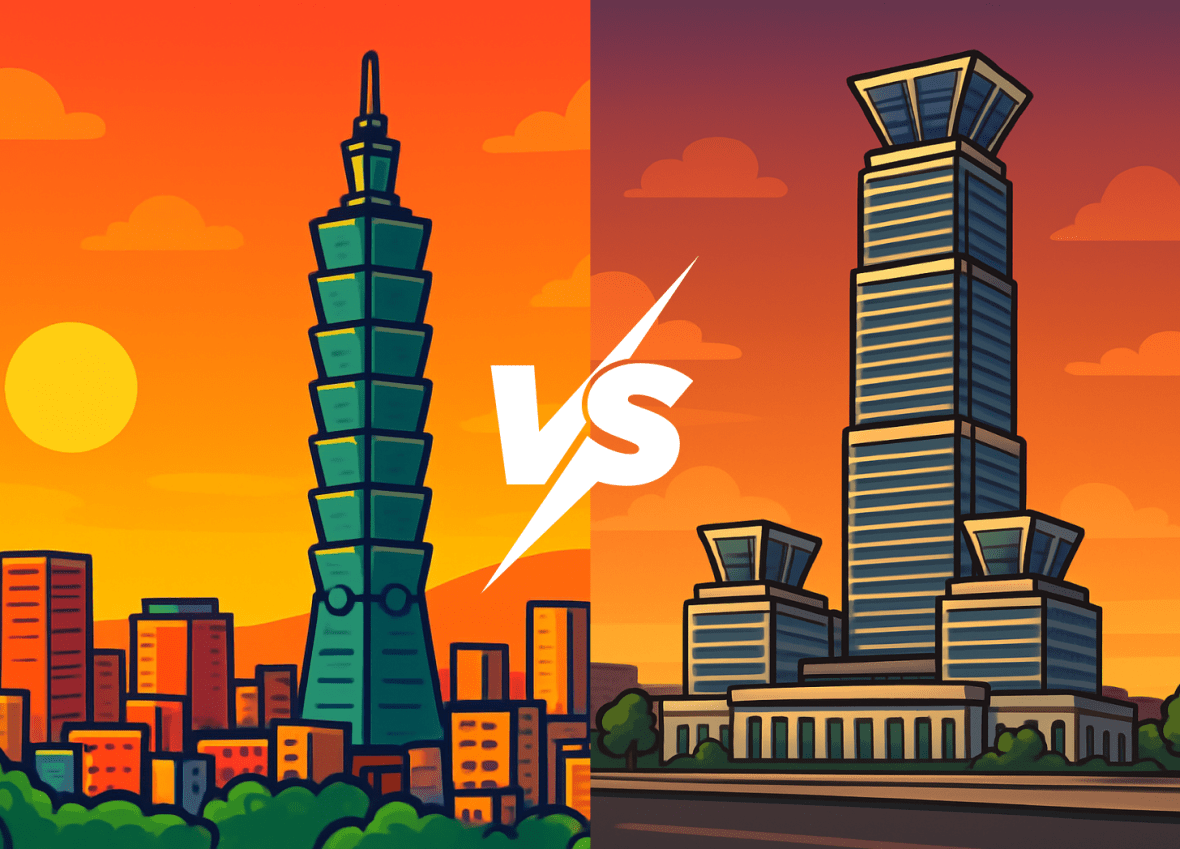
It wasn’t until the summer of 2000 that the Taipei City Government approved a license for a 101-story tower. This new plan increased the total height to 508 meters, with the number 101 symbolizing going beyond perfection—one step beyond 100, representing lofty ideals and continuous improvement.
Construction began in earnest, and by summer 2001, the first tower column was erected, marking the start of a skyscraper that would soon capture global attention.
Taipei 101 Becomes a Global Icon
Taipei 101 officially opened on December 31, 2004, claiming the title of the world’s tallest building, a distinction it held until the Burj Khalifa surpassed it in 2009. Its height, innovative engineering, and cultural symbolism turned it into more than a building—it became a national symbol of ambition and modernity.
A Tower That Could Have Been
It’s hard to imagine Taipei without Taipei 101 dominating its skyline. But thinking back, the city almost got a much smaller, less ambitious tower. Thanks to bold suggestions, careful planning, and a touch of cultural symbolism, the world now knows Taipei 101 not just as a building, but as a story of vision, ambition, and transformation.

 Bubble Tea Island