
If you’re learning Chinese, birthdays are a great place to start. In Taiwan, birthday celebrations are usually warm and low-key, and the language used for birthday wishes reflects that.
In this article, you’ll learn how to say “Happy Birthday” in Chinese, common birthday wishes Taiwanese people actually use, and how birthdays are celebrated in Taiwan, including the tradition of lunar birthdays.
How to Say “Happy Birthday” in Chinese
The most common and universal way to say Happy Birthday in Chinese is:
生日快樂
Pinyin: Shēngrì kuàilè
Bopomofo: ㄕㄥ ㄖˋ ㄎㄨㄞˋ ㄌㄜˋ
This phrase is used in Taiwan, Mainland China, and other Chinese-speaking regions. It works in almost all situations:
- Friends
- Family members
- Colleagues
- Teachers and elders
You can make it sound more natural by adding the person’s name or title:
- 生日快樂,阿明!
Pinyin: Shēngrì kuàilè, Ā-Míng!
Bopomofo: ㄕㄥ ㄖˋ ㄎㄨㄞˋ ㄌㄜˋ,ㄚ ㄇㄧㄥˊ - 生日快樂,老師!
Pinyin: Shēngrì kuàilè, lǎoshī!
Bopomofo: ㄕㄥ ㄖˋ ㄎㄨㄞˋ ㄌㄜˋ,ㄌㄠˇ ㄕ
Common Birthday Wishes Used in Taiwan
In Taiwan, people often say more than just 生日快樂. Birthday wishes are usually combined with other kind or meaningful phrases.
1. “Wish you good health”
祝你身體健康
Pinyin: Zhù nǐ shēntǐ jiànkāng
Bopomofo: ㄓㄨˋ ㄋㄧˇ ㄕㄣ ㄊㄧˇ ㄐㄧㄢˋ ㄎㄤ
This phrase is very common when talking to parents, grandparents, or older people.
2. “Wish you happiness every day”
- 祝你天天開心
Pinyin: Zhù nǐ tiāntiān kāixīn
Bopomofo: ㄓㄨˋ ㄋㄧˇ ㄊㄧㄢ ㄊㄧㄢ ㄎㄞ ㄒㄧㄣ - 希望你每天都很開心
Pinyin: Xīwàng nǐ měitiān dōu hěn kāixīn
Bopomofo: ㄒㄧ ㄨㄤˋ ㄋㄧˇ ㄇㄟˇ ㄊㄧㄢ ㄉㄡ ㄏㄣˇ ㄎㄞ ㄒㄧㄣ
These expressions are extremely common among friends and sound natural in everyday Taiwanese Mandarin.
3. “May all your wishes come true”
祝你心想事成
Pinyin: Zhù nǐ xīnxiǎng shìchéng
Bopomofo: ㄓㄨˋ ㄋㄧˇ ㄒㄧㄣ ㄒㄧㄤˇ ㄕˋ ㄔㄥˊ
This is a classic Chinese birthday wish, also used during Lunar New Year or before important events.
4. Work- or study-related wishes
Depending on the situation, Taiwanese people often add specific wishes such as:
- 祝你工作順利
Pinyin: Zhù nǐ gōngzuò shùnlì
Bopomofo: ㄓㄨˋ ㄋㄧˇ ㄍㄨㄥ ㄗㄨㄛˋ ㄕㄨㄣˋ ㄌㄧˋ - 祝你學業進步
Pinyin: Zhù nǐ xuéyè jìnbù
Bopomofo: ㄓㄨˋ ㄋㄧˇ ㄒㄩㄝˊ ㄧㄝˋ ㄐㄧㄣˋ ㄅㄨˋ
How Do Taiwanese People Celebrate Their Birthdays?
Birthday celebrations in Taiwan are usually simple and focused on relationships. The most common way to celebrate is by having a meal with family or friends, whether at home or in a restaurant. Popular choices include hot pot and seafood, emphasizing communal dining. The exact day of the birthday is flexible; weekend celebrations are common.
Birthday cakes are popular but not mandatory. Some families celebrate with desserts, drinks, or homemade dishes.
Gifts in Taiwan tend to be practical or thoughtful rather than expensive. Treating the birthday person to a meal is common. In workplaces or schools, low-key celebrations, such as bringing a small cake or wishing someone 生日快樂 in a group chat, are typical.
Lunar Birthdays in Taiwan
In Taiwan, some people also celebrate their lunar calendar birthday, which is based on the traditional Chinese lunar calendar rather than the Western solar calendar. This practice is common among older generations and more traditional families who value rituals and symbolism. The lunar birthday, or 農曆生日 (Nónglì shēngrì, ㄋㄨㄥˊ ㄌㄧˋ ㄕㄥ ㄖˋ), is sometimes considered the “real” birthday, while the solar birthday is more casual. Some people celebrate both, but the lunar birthday often carries more cultural significance.
A key element of the lunar birthday is eating longevity noodles. 長壽麵 (Chángshòu miàn, ㄔㄤˊ ㄕㄡˋ ㄇㄧㄢˋ) are long wheat noodles symbolizing long life, good health, and blessings for the future. The noodles should remain uncut to avoid symbolically shortening one’s life. They are usually served in a light broth with simple toppings. Preparing longevity noodles for elders is a sign of respect and care.
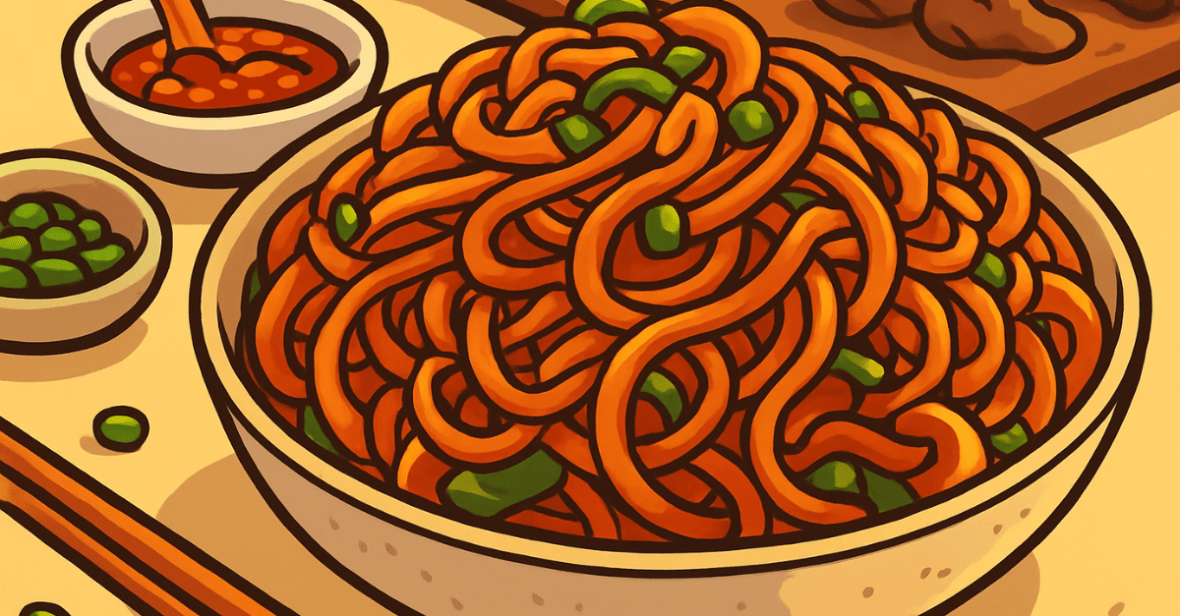
Lunar birthday celebrations are centered on family and tradition. They often include sharing a meal with longevity noodles, visiting temples to pray for health and safety, and offering incense to ancestors or deities.
You might hear someone say:
我的農曆生日比較重要。
Pinyin: Wǒ de nónglì shēngrì bǐjiào zhòngyào
Bopomofo: ㄨㄛˇ ㄉㄜ˙ ㄋㄨㄥˊ ㄌㄧˋ ㄕㄥ ㄖˋ ㄅㄧˇ ㄐㄧㄠˋ ㄓㄨㄥˋ ㄧㄠˋ
“My lunar birthday is more important.”
When in Taiwan, remembering these points will help you sound natural and culturally aware. The safest phrase to use is 生日快樂, and it is always thoughtful to add wishes for health and happiness, especially for elders. Birthday celebrations are typically simple, meaningful, and centered on relationships. Additionally, some people celebrate lunar birthdays, often with symbolic foods like longevity noodles, reflecting deep-rooted cultural traditions. Learning these expressions and customs is not just about language — it’s a great way to understand everyday life in Taiwan.
 Bubble Tea Island