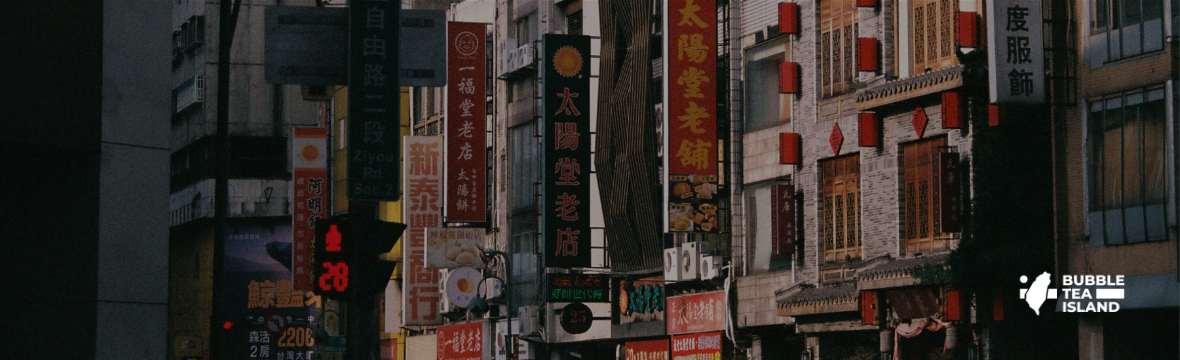
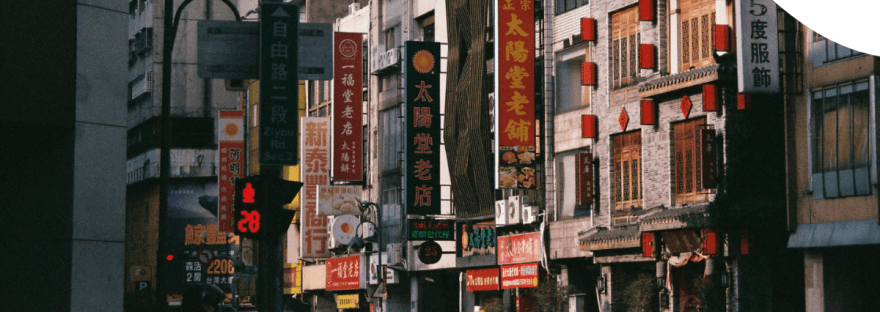
In 2025, Taiwan made headlines by overtaking Japan and South Korea in GDP per capita, ranking fourth in Asia. On paper, it’s an impressive achievement — and to be honest, when you walk around Taipei, Taichung, or Kaohsiung, the wealth is visible. New cafés everywhere, packed restaurants, shiny scooters, iPhones in every hand, bubble tea shops opening (and closing) at lightning speed.
But living in Taiwan, really living here, quickly reminds you that GDP per capita doesn’t tell the whole story.
Wealth Exists, But So Do Social Layers
Yes, Taiwan is wealthy. And yes, poverty in the traditional sense is relatively rare compared to many other parts of the world. But like everywhere else, Taiwanese society has very clear social and economic layers.
For many regular office workers, life is far from luxurious. Salaries in traditional white-collar jobs are often surprisingly low, especially when compared to housing costs in major cities. Renting your own apartment in Taipei on a local salary can be extremely difficult. As a result, many people:
- Continue living with their parents well into their 30s or even 40s
- Share small apartments with roommates
- Postpone major life decisions such as marriage, children, or moving out
This isn’t necessarily talked about openly, but it’s very much part of everyday reality. Taiwan’s economic success doesn’t automatically translate into financial comfort for everyone.
Expats Are Not Automatically Privileged
There’s also a common misconception among foreigners considering a move to Taiwan: that simply being an expat somehow puts you above this reality.
It doesn’t.
If you want to succeed professionally in Taiwan without becoming an English teacher, you’ll quickly realize that the same pressures apply to you, sometimes even more so. Taiwan’s job market rewards:
- Proactiveness
- Ingenuity
- Adaptability
- A strong business mindset
If your ideal career path is to quietly sit in an office, follow instructions, and expect steady promotions and salary increases, Taiwan may not be the best place for you. In that case, Europe or the United States often offer more structured career paths and higher compensation for similar roles.
Taiwan rewards initiative, not passivity.
Where Taiwan Truly Shines: Entrepreneurship
That said, Taiwan becomes a completely different place if you approach it with an entrepreneurial mindset.
This is where the island truly shines.
Setting up a business in Taiwan is relatively straightforward, bureaucracy is manageable, and the ecosystem, especially in cities like Taipei, is supportive. Even more so if you come with a Taiwan Gold Card, which gives you the freedom to explore multiple professional projects without being tied to a single employer.
For people who want to:
- Freelance
- Build startups
- Launch creative or niche businesses
- Combine multiple income streams
Taiwan offers an environment that is flexible, safe, and surprisingly encouraging.
Taiwanese Consumers: Careful, But Willing to Spend
We’re living in a time of global economic slowdown. People everywhere, Taiwan included, are more careful with their money than before. Taiwanese consumers are no exception.
But “careful” doesn’t mean “cheap.”
If Taiwanese people feel that something is worth their money, they are still very willing to spend. Quality, usefulness, storytelling, and trust matter a lot. And importantly, foreign expertise is still perceived as valuable.
If you bring:
- A genuinely good product
- A well-designed service
- Real expertise (not just a foreign face)
You’ll find Taiwanese customers to be curious, loyal, and supportive.
A Place of Contrasts — And Opportunities
Taiwan is a land of contrasts. It’s wealthy, but not everyone feels rich. It’s modern, yet deeply traditional. It can be frustrating for employees, and incredibly exciting for builders.
Living here forces you to be honest with yourself about what you want:
- Stability or freedom
- Structure or creativity
- Comfort or experimentation
For those willing to take risks, build something of their own, and adapt to local realities, Taiwan can be an incredibly rewarding place, not just economically, but personally.
And sometimes, understanding a place means looking beyond the numbers… and listening to the stories behind them.
 Bubble Tea Island