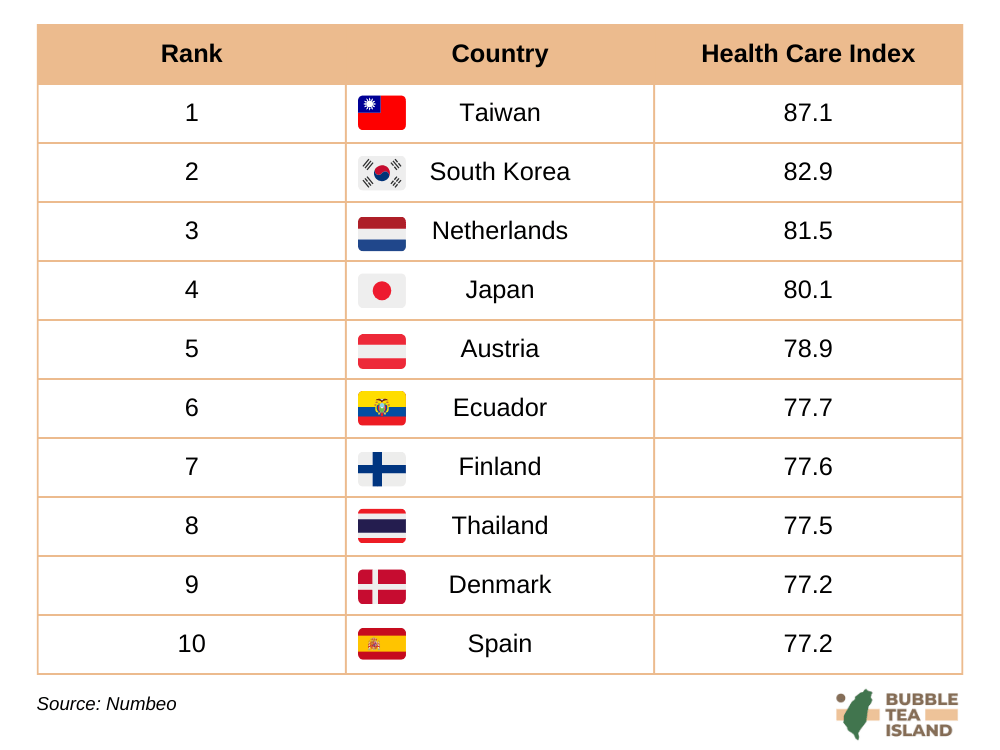
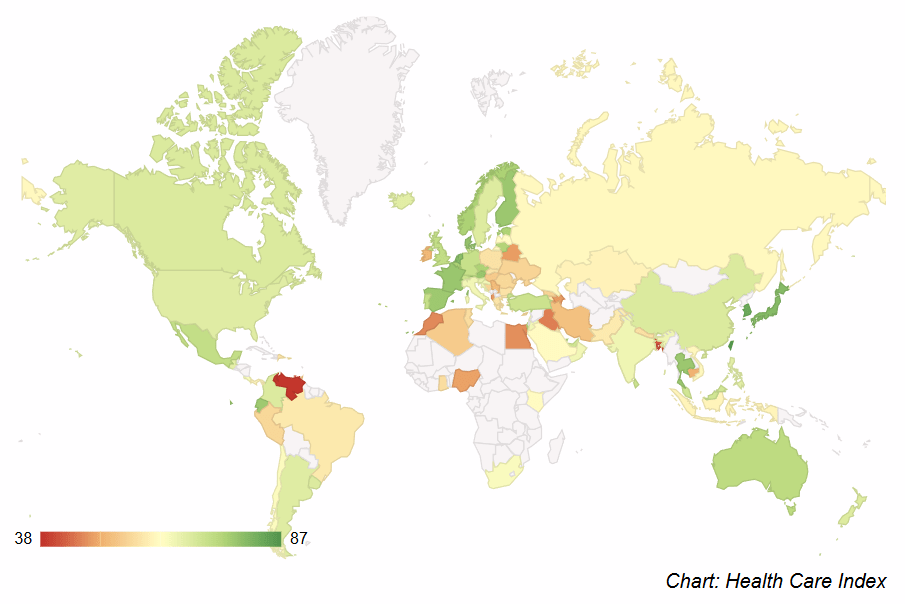
According to Numbeo’s Best Healthcare Systems in the World 2025, Taiwan has officially been ranked No. 1 globally, yet again. Anyone who’s lived in Taiwan probably isn’t surprised. With its combination of high quality care, easy accessibility, incredibly affordable prices, and often shockingly short wait times, the system has earned admiration around the world and is frequently held up as a model for other countries to learn from.
But glossy rankings only tell part of the story. Behind the statistics are real people, real experiences, and a healthcare model that has evolved over decades, not without its flaws, but undeniably impressive.
In this article, I want to talk not only about how Taiwan’s system works and who can use it, but also share a bit of my own personal experience; the good, the frustrating, and the honest reality of what it’s like as a foreigner relying on Taiwan’s medical system.
A Quick Look Back: How Taiwan Built One of the Best Healthcare Systems in the World
Taiwan’s healthcare wasn’t always like this. Before the 1990s, access to medical services in Taiwan was fragmented, uneven, and often expensive. Everything changed in 1995, when Taiwan launched its landmark National Health Insurance (NHI) program, a single-payer universal system designed to ensure everyone could receive quality healthcare without going bankrupt.
The idea was simple but powerful:
- Everyone should have access to care
- The system should be affordable
- Patients should have choice
- Administration should be efficient
Fast forward to today and the numbers speak for themselves: nearly the entire population is covered, hospitals and clinics are everywhere, and digital health cards streamline everything from check-ins to prescriptions.
Taiwan basically created a system that combines the efficiency of Asia with the comfort and universality of European healthcare, but at a fraction of the price.
How Taiwan’s Healthcare System Actually Works
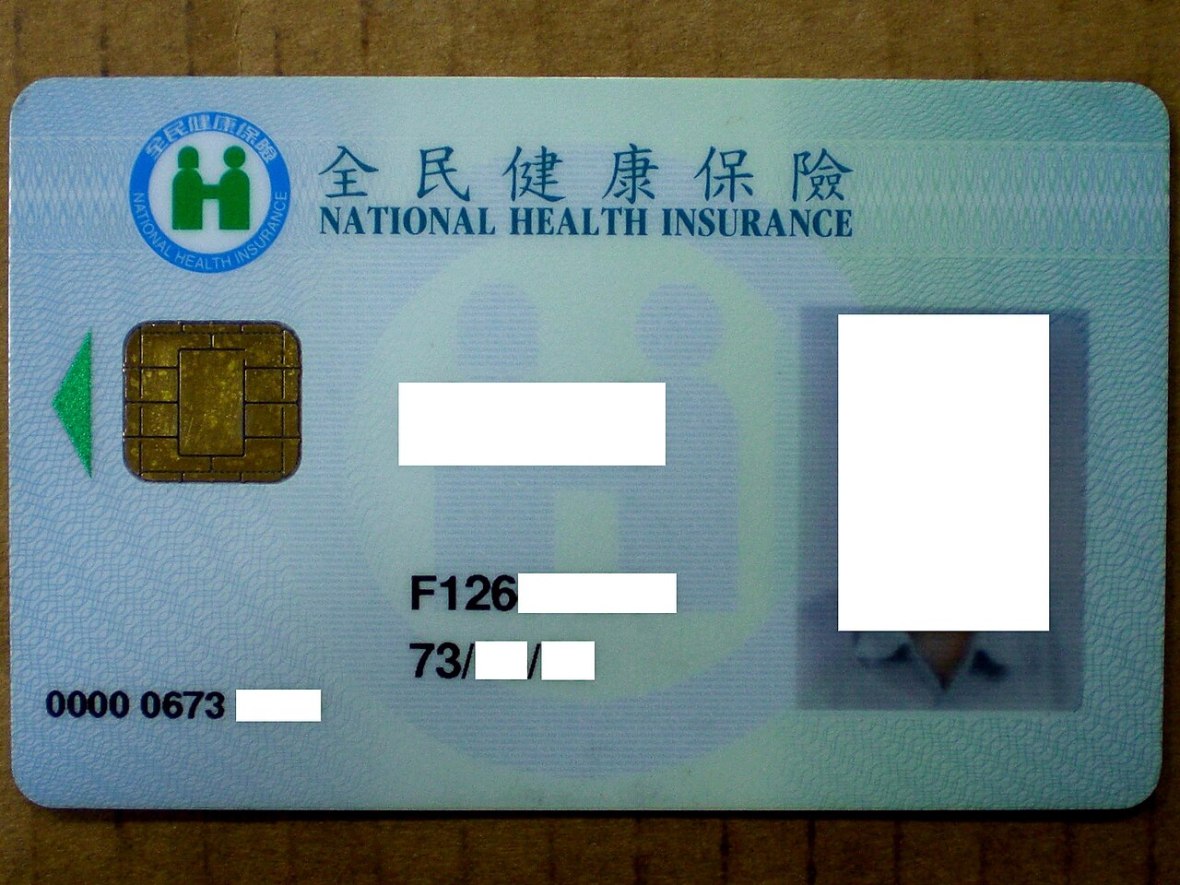
At the heart of everything is National Health Insurance (NHI), mandatory health insurance that covers citizens and eligible residents. With your health card, you can walk into most hospitals and clinics, swipe it, and receive care with only a small copayment. No endless back-and-forth paperwork. No mountains of bills. No financial fear every time you sneeze.
It covers most everyday needs, including:
- Doctor visits and specialist consultations
- Emergency care and hospitalization
- Advanced medical exams and imaging
- Prescription medication
- Preventive healthcare
- Traditional Chinese Medicine (TCM), including consultations and treatments such as acupuncture in approved clinics
What people unfamiliar with Taiwan often find surprising is not just what the system covers, but how smoothly it works. Getting an appointment usually doesn’t take months. You aren’t stuck behind layers of bureaucracy. You can see doctors when you need to, whether that’s a Western medicine specialist or a licensed TCM practitioner.
This will matter especially to foreigners considering living in Taiwan, because yes, you can also be part of this system.
Can Foreigners Join Taiwan’s Healthcare System?
Short answer: Yes. Absolutely. And it’s one of the best parts of living in Taiwan.
If you’re a foreign resident with an ARC (Alien Resident Certificate), you normally become eligible once you’ve lived in Taiwan for six consecutive months, or sooner if you’re employed (since employers register staff automatically). Once enrolled, you pay monthly premiums like everyone else and you receive the same benefits as Taiwanese citizens.
This inclusivity is more than just policy, it genuinely changes expats’ lives. Many countries talk about accessibility, but Taiwan delivers on it.
My Personal Experience With Taiwan’s Healthcare System
I should preface this by saying I’m fairly healthy and rarely see a doctor. Even on the rare occasion I do, I usually call my dad first, who’s a veterinarian, and often he gives me better diagnostics than actual doctors!
In the past five years in Taiwan, I’ve only visited a doctor twice, largely because I prefer home care and tend to avoid medical visits whenever possible.
Once, I suffered from intense shoulder pain. My dad speculated over the phone that it was probably a trapped nerve, but urged me to get it checked. I spent four hours in the hospital; an X-ray/scan, IV fluids, a blood test, only to be told it was “just a nerve” and sent home with painkillers and muscle relaxants. I only ended up taking one dose of each. It felt like an unnecessary procession.
Another time, I visited a clinic for insomnia. The doctor offered a week of Xanax, but I asked for light sleeping pills instead, as I prefer gentler remedies. I was told that regular sleeping pills are highly regulated in Taiwan and can only be prescribed by psychiatrists, which the clinic didn’t have. Frustrated, I gave up on that medication route.
The Things Taiwan Gets Very Right
Despite these mixed personal stories, I want to be very clear: Taiwan’s healthcare system is strong. Really strong. Two things especially stand out to me.
Access Is Amazing
There are clinics and hospitals literally everywhere; small neighborhood clinics, huge medical centers, specialist hospitals. And you can often just walk in without an appointment.
Even specialist doctors are accessible. In Belgium, getting a dermatology or ophthalmology appointment can take six months to a year. In Taiwan, it’s often within a week.
That level of convenience is life changing.
It Is Shockingly Affordable
Taiwan’s healthcare is not just good, it is insanely affordable. Even compared to Belgium, which is already known for having one of the better healthcare systems in Europe, Taiwan still feels cheaper.
You don’t hesitate to go to the doctor because you’re scared of the bill. That alone reduces so much stress.
But No System Is Perfect
Of course, being accessible and cheap also has a downside: overuse.
A lot of Taiwanese people visit the doctor for very minor inconveniences like a simple cold or mild discomfort. Because patients expect attention, clinics sometimes run unnecessary tests or hand out multiple medications when rest and tea would probably be enough.
It creates a strange contradiction: the system is great, and because it’s great, people use it too much.
Final Thoughts: A System Worth Celebrating — With Honest Perspective
Taiwan ranking No. 1 in the world for healthcare isn’t just a shiny headline. It reflects decades of thoughtful policy, social commitment, and efficient design. It shows that it really is possible to have:
- universal coverage
- modern medical technology
- easy access
- and low cost
all in one place.
My personal experiences weren’t always perfect. Sometimes I rolled my eyes. Sometimes I felt things were excessive. But I never felt neglected, never felt financially threatened, and never felt like help was out of reach. And that, honestly, is huge.
So yes, Taiwan deserves that No. 1 spot. Not because it’s flawless, but because it proves that healthcare can be humane, accessible, and affordable at the same time.
And in today’s world, that alone is extraordinary.
 Bubble Tea Island