
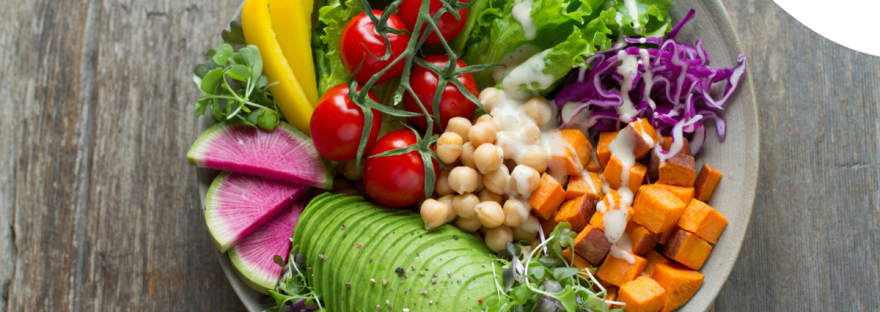
I should probably start with a small confession.
I’m not vegetarian.
I’ve never fully committed to it, never drawn a clear line and said “that’s it, no more meat.” But over the years, especially while living in Taiwan, I’ve found myself naturally eating less and less of it. Not out of guilt, not because of trends, but because Taiwan quietly makes it easy.
And that’s something I didn’t fully appreciate until I left.
Taiwan vs Japan and Korea: A Stark Contrast
If you’ve spent time in East Asia, you might assume that being vegetarian is equally difficult everywhere. After all, meat and fish are deeply embedded in many Asian cuisines.
But Taiwan is different.
Compared to Japan or South Korea, Taiwan feels almost welcoming to vegetarians. In Japan, “vegetarian” often still includes fish stock, bonito flakes, or pork-based broths. In Korea, meat is central to so many dishes that removing it can feel like removing the dish itself.
In Taiwan, on the other hand, vegetarian food exists as its own category, not as a modified version of something else. It doesn’t feel like a compromise. It feels intentional.
You don’t have to awkwardly ask five questions at every restaurant. You don’t feel like you’re inconveniencing anyone. More often than not, the option is already there.

Falling in Love With Vegetarian Buffets
Lately, I’ve become slightly obsessed with Taiwan’s vegetarian buffets.
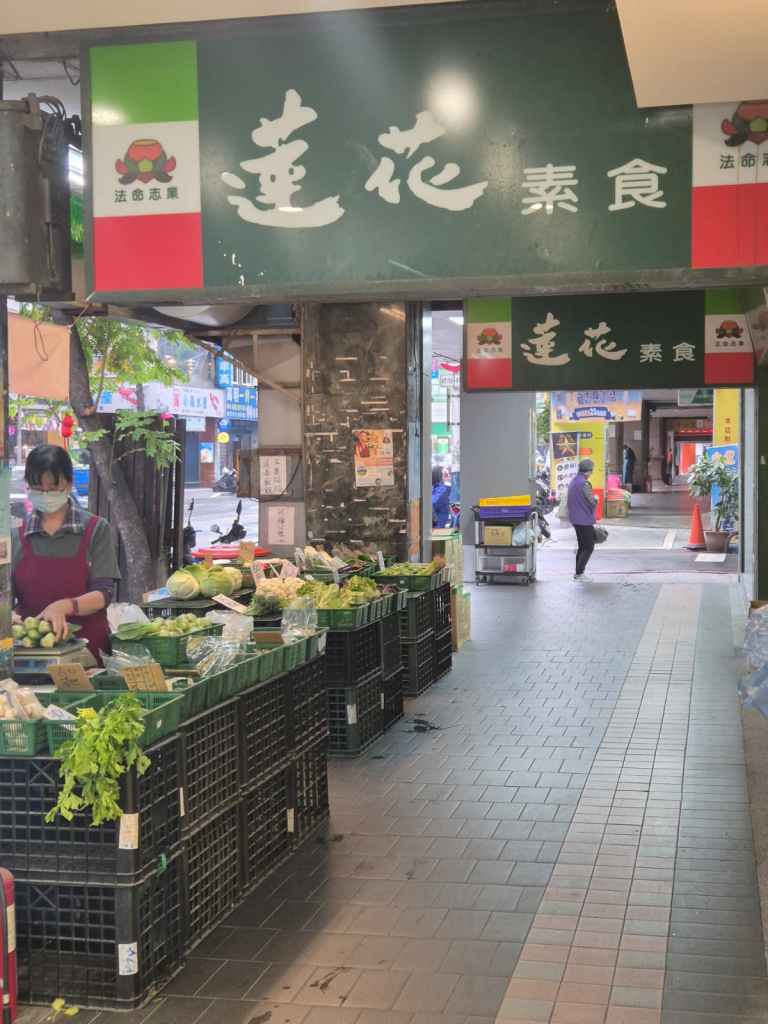
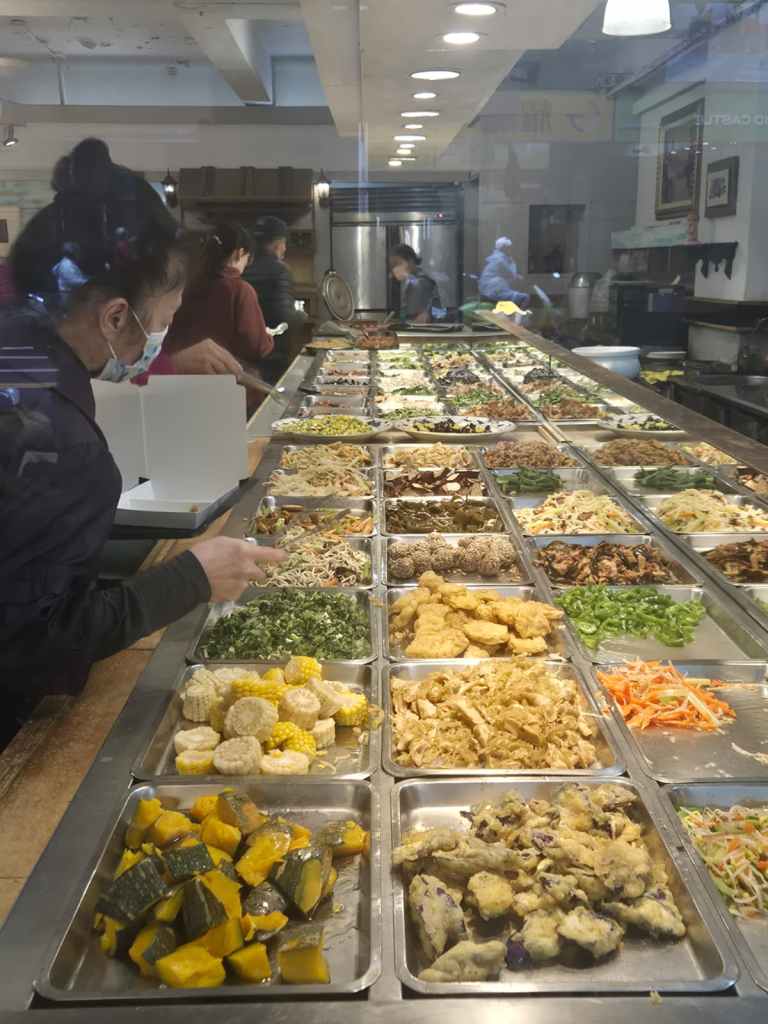
If you’ve ever walked around Taipei, you’ve seen them, even if you didn’t realize what they were at first. Modest storefronts, often with green signage, stainless steel counters, and rows of dishes behind glass. No fancy branding, no Instagram aesthetics.
Just food.
They’re everywhere. And I mean everywhere. In many neighborhoods (especially where I live in Yonghe), you can find one on almost every street.
You grab a plate and pincers, and watch it slowly pile up. A scoop of braised tofu here, stir-fried cabbage there, some lotus root, mushrooms, eggplant, mock duck, mock fish, mock pork; all made from soy, gluten, or tofu skin (carefull with fake meat if you have gluten intolerance!).
You pay by weight, which somehow always feels fairer than paying for a fixed menu.
What I love most is that nothing feels performative. No one is trying to convince you of anything. You’re not “making a statement.” You’re just eating lunch.
For someone like me, not vegetarian, but consciously reducing meat, these places are perfect. I don’t feel restricted, and I don’t feel like I’m “missing” something. I leave full, satisfied, and usually a bit surprised by how good it all was.
Taiwan: A Vegetarian Powerhouse You Probably Didn’t Expect
Here’s a fact that often catches people off guard:
Taiwan ranks 4th in the world when it comes to the percentage of vegetarians.
About 15% of the population follows a vegetarian diet.
And it’s especially surprising when Taiwan is internationally famous for things like beef noodle soup, fried chicken cutlets, pork rice (滷肉飯), and night market snacks that seem anything but vegetarian.
But vegetarianism in Taiwan isn’t a trend. It isn’t something people adopt because it’s fashionable or because a Netflix documentary told them to.
It’s something much older.
Buddhism and the Way People Eat
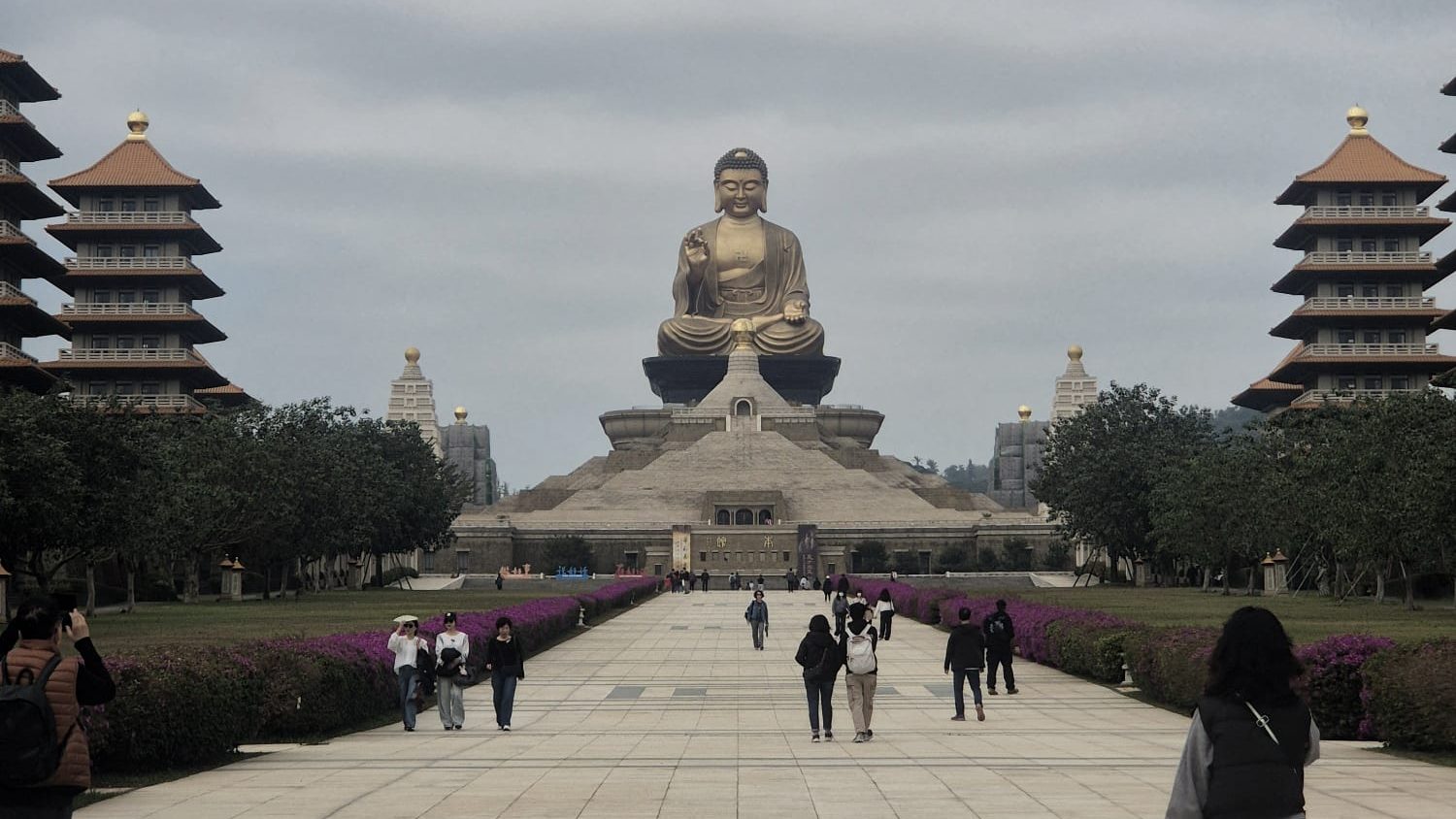
A large part of Taiwan’s vegetarian culture comes from Buddhism.
Many Taiwanese follow vegetarian diets either permanently or on specific days of the month for religious reasons. Temples serve vegetarian meals, Buddhist families cook vegetarian food at home, and over time, this has shaped the broader food landscape.
What’s particularly fascinating is that many vegetarian restaurants in Taiwan don’t just remove meat, they follow Buddhist dietary restrictions.
That means avoiding not only meat and fish, but also the Five Pungent Spices (五辛):
- Garlic
- Onions
- Leeks
- Chives
- Shallots
For someone used to cooking with garlic and onions as a base for everything, this feels almost unimaginable.
The first time I realized this, I was confused. Why would you remove garlic? Isn’t that half the flavor?
So I asked a local Buddhist friend.
“Because They Make You Fart”
His answer was immediate and completely serious:
“Because they make you fart, and that disturbs meditation.”
I laughed, I really did. It sounded like a joke.
But the more he explained, the more it started to make sense.
Garlic and onions contain strong sulfur compounds that can be difficult to digest and can increase gas production. In Buddhist philosophy, digestion isn’t just a physical process, it’s deeply connected to the mind.
There’s a belief that digestive stress leads to mental agitation: more passion, more anger, more restlessness, more anxiety.
And since the gut is often referred to as our “second brain,” disturbing it means disturbing the mind.
So these ingredients aren’t avoided because they’re “bad,” but because they’re considered stimulating, not ideal for someone seeking calm, focus, and inner clarity.
Ancient reasoning, maybe. But not entirely unscientific.
Interestingly, this Buddhist approach to food also makes many Taiwanese vegetarian meals surprisingly IBS-friendly.
By avoiding garlic, onions, and other high-FODMAP ingredients, these dishes tend to be gentler on sensitive digestive systems. Again, this wasn’t the goal, but it’s a very welcome side effect.
It’s one of those moments where ancient traditions accidentally align with modern nutritional science.
Vegetarian Is Easy. Vegan Is… More Complicated.
While being vegetarian in Taiwan is genuinely easy, being vegan is a different story.
Yes, many restaurants offer vegetarian options. But:
- Cross-contamination is common
- Animal fat or lard is still widely used in cooking
- Sauces may contain fish or animal-based ingredients
There are fully vegan restaurants, especially in Taipei, but they’re fewer than in many Western cities. Veganism in Taiwan isn’t particularly trendy or ideological. It’s not marketed as a lifestyle.
Vegetarianism, on the other hand, is practical, religious, and deeply normalized.
If you’re vegan, you can absolutely make it work, you just need to be more careful, ask more questions, and accept that perfection isn’t always possible.
A Generational Twist
One last thing that I find especially interesting:
In the West, vegetarianism tends to increase with younger generations. In Taiwan, it’s often the opposite.
Older people are more likely to be vegetarian.
For many Taiwanese, vegetarianism is something you grow into, often later in life, as beliefs shift, health becomes more important, and religious practices deepen.
 Bubble Tea Island