
Can you believe that Taiwan, a global tech powerhouse where cutting-edge semiconductors power most of the world’s electronics, still relies on a tradition dating back over 3,000 years?
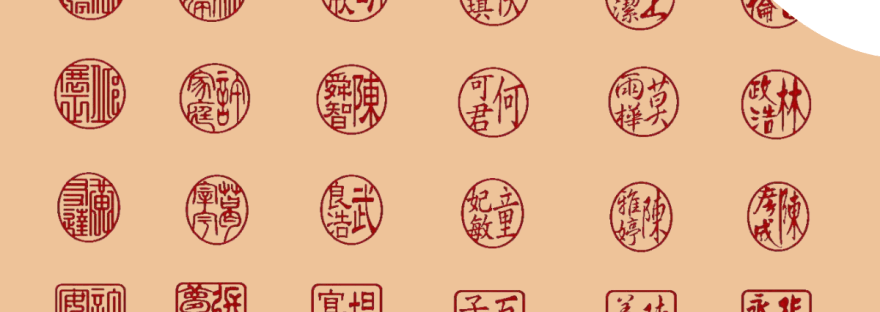
Welcome to the world of signature chops, also known as seals (印章 yìnzhāng).
Despite Taiwan’s reputation for technological innovation, signature chops remain deeply embedded in everyday life. From government paperwork to university diplomas and corporate contracts, this small stamped mark continues to carry real legal and symbolic weight.
What Is a Signature Chop?
Signature chops originated more than 3,000 years ago in ancient China and were initially reserved for emperors and high-ranking officials. Over time, they evolved into a widely used system for validating identity and authority. Taiwan inherited this tradition and preserved it through different political eras, from imperial rule to Japanese colonization and into the modern democratic state.
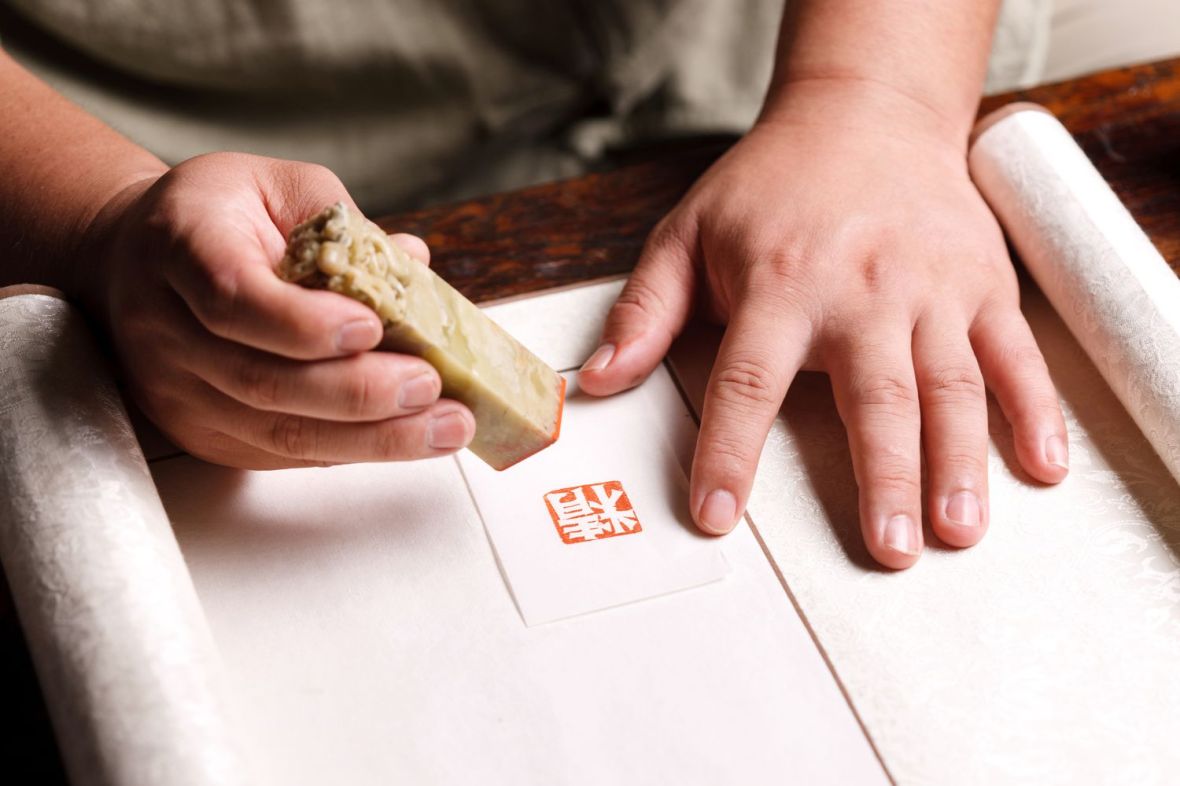
A chop is typically a small stamp engraved with a person’s full name in Chinese characters. When pressed into red ink and stamped on a document, it serves as a legally recognized confirmation of intent—similar to, and often stronger than, a handwritten signature.
Why Are Chops Still So Important in Taiwan?
In Taiwan, chops are everywhere. Documents issued by government agencies, ministries, universities, banks, or private companies often require the appropriate chop to be considered legally binding.
For individuals, chops are indispensable in many formal situations. Opening a bank account, authorizing administrative requests, signing certain contracts, handling property matters, or completing university procedures may require both a handwritten signature and a personal chop.
This dual system provides an additional layer of security. Forging a signature alone is difficult; forging both a signature and a chop is significantly harder. In this sense, chops function as an early form of two-factor authentication (2FA), long before passwords, SMS codes, or biometric verification existed.
Personal Chops vs. Registered Chops
One important detail many newcomers miss is that not all chops are equal.
Some chops—especially those used for high-stakes matters like property transactions—can be registered with local authorities. A registered chop is officially linked to an individual’s identity, making it even more powerful than a regular signature. Losing such a chop can be a serious issue, and reporting it lost is essential to prevent misuse.
For everyday use, however, most people rely on unregistered personal chops, which are still widely accepted for routine administrative and institutional procedures.
Do Foreigners Need a Signature Chop in Taiwan?
In most cases, no.
While signature chops remain common in Taiwan, they are very often not required for foreigners. It is generally assumed that foreigners, even those with long-term residency, do not possess a personal chop. Because of this, institutions almost never insist on one.
Instead, foreigners are typically asked to:
- Write their full legal name clearly, often exactly as it appears on their passport or ARC, and
- Add a handwritten signature.
This approach is standard across banks, universities, employers, and government offices. While a few edge cases may exist, most foreigners live in Taiwan for years without ever needing a chop.
That said, some long-term residents choose to make one anyway, for convenience, curiosity, or cultural immersion, but it remains optional rather than necessary.
Company Chops: Even More Powerful
Beyond personal chops, company chops (公司章) are even more significant. In many Taiwanese businesses, the company chop, not an individual’s signature, holds ultimate authority. Whoever controls the chop often controls the company’s ability to sign contracts, issue official documents, or make binding commitments.
This is why company chops are usually kept under strict supervision and stored securely. In some organizations, multiple chops exist for different levels of authorization.
Where Do People Get Chops Made?
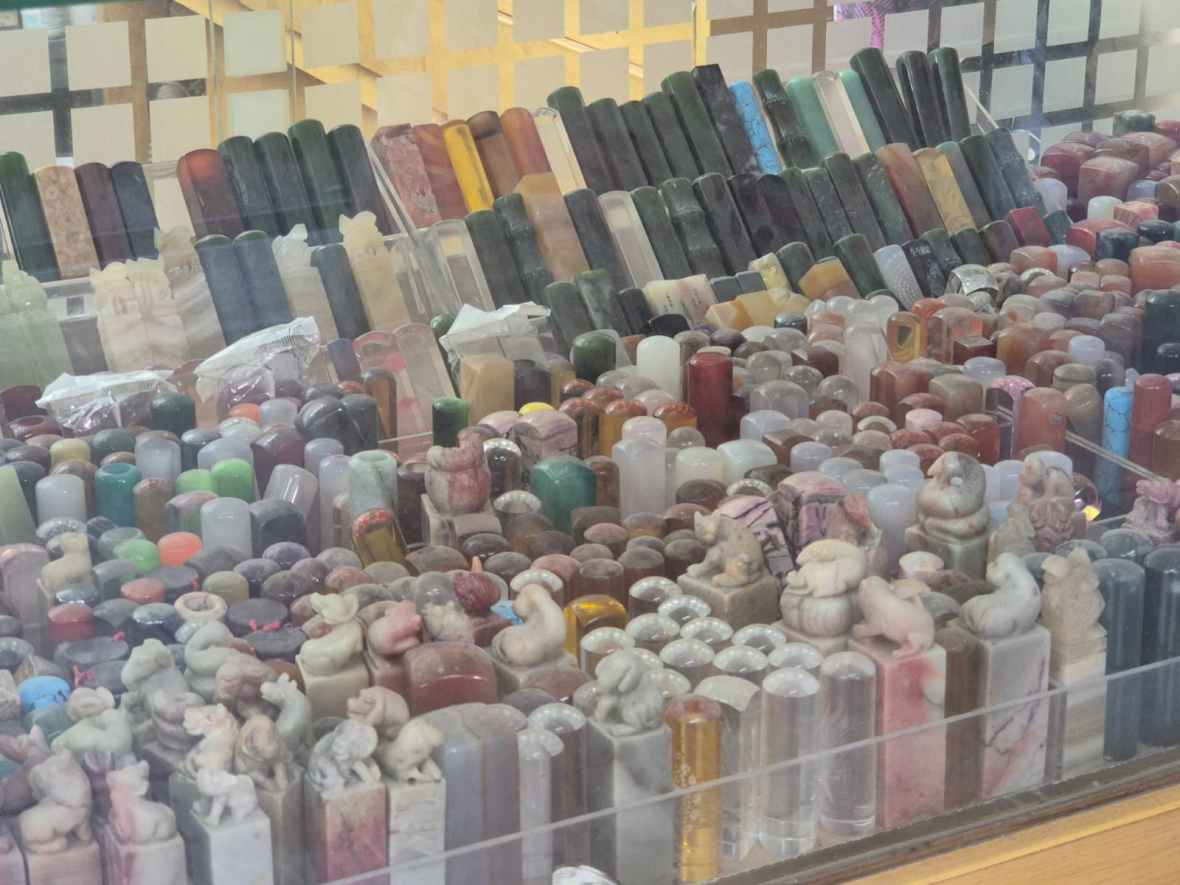
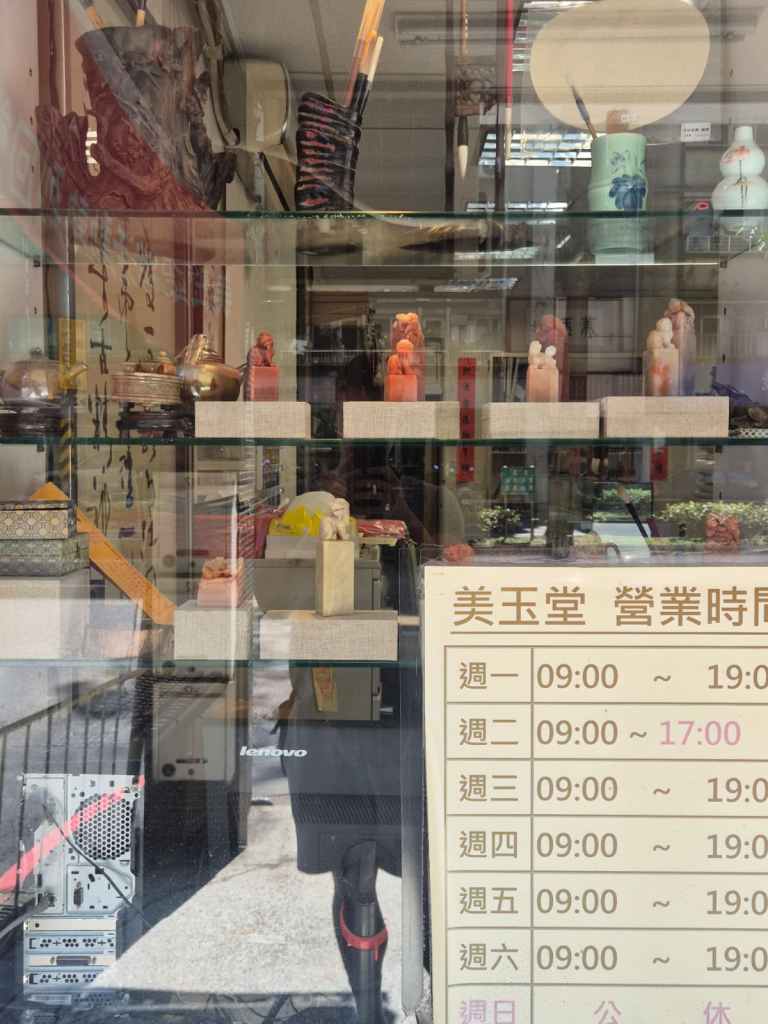
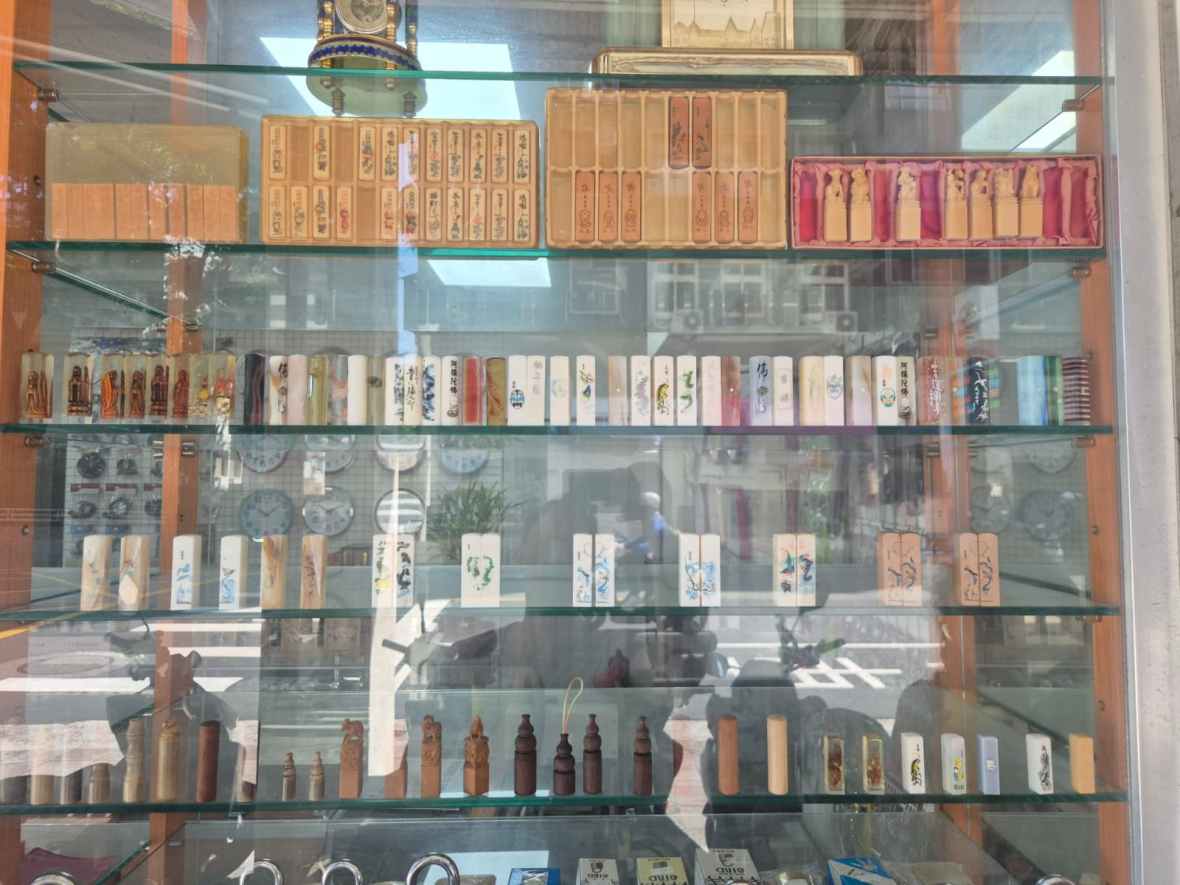
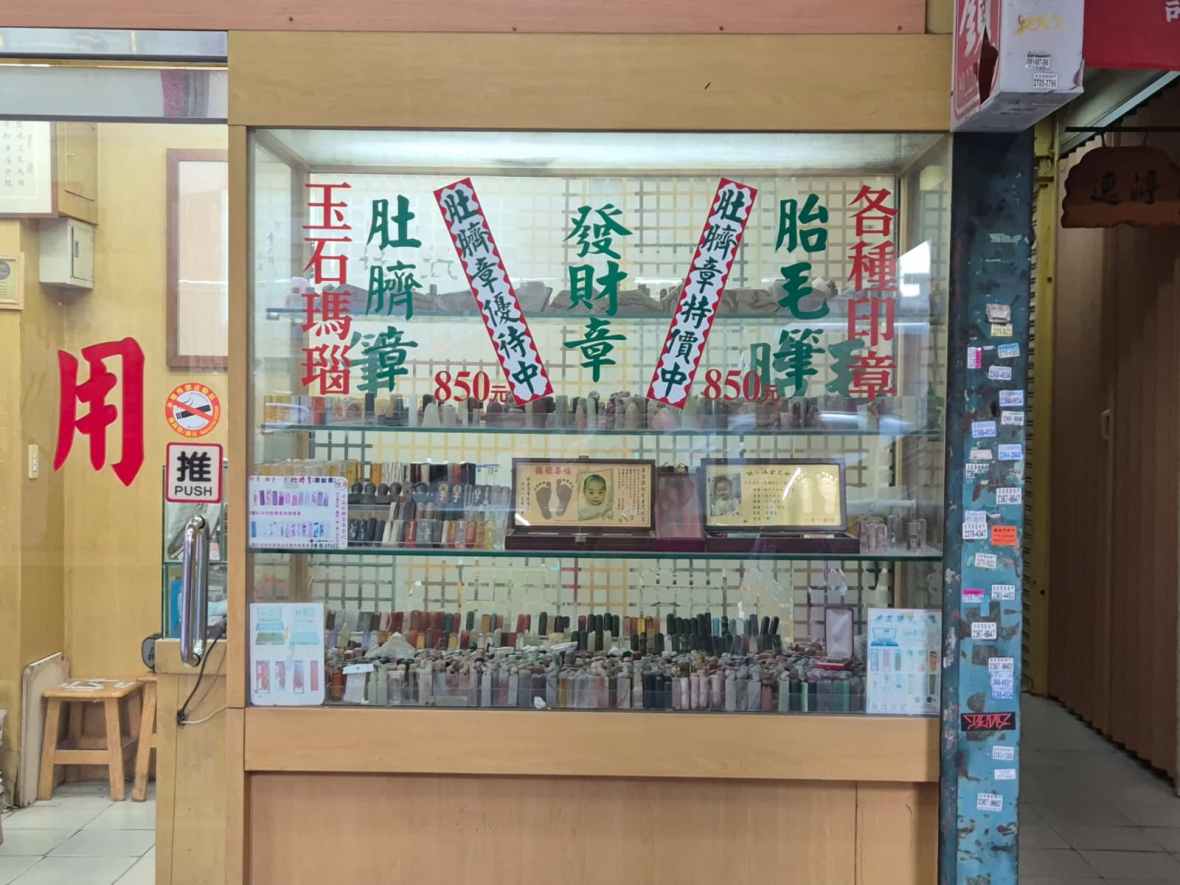
Chop-making shops are easy to spot throughout Taiwanese cities. These small stores often display rows of stone, wood, plastic, or even crystal seals in their windows. Some specialize in traditional materials, while others cater to modern tastes.
Whether you need a simple chop or want something personalized, you can usually have one carved in just a few minutes. For Taiwanese people, this is a practical necessity. For foreigners, it often becomes a cultural souvenir, or a conversation starter.
Old Traditions in a High-Tech Society
What makes Taiwan especially fascinating is how seamlessly it blends tradition and modernity. On one hand, it leads the world in semiconductor manufacturing, powering smartphones, data centers, and electric vehicles. On the other, it preserves age-old customs like signature chops and the continued preference for cash in many daily transactions.
Rather than being replaced by digital systems, chops coexist with them, proof that efficiency and tradition don’t always have to be at odds.
A Fun Historical Detail
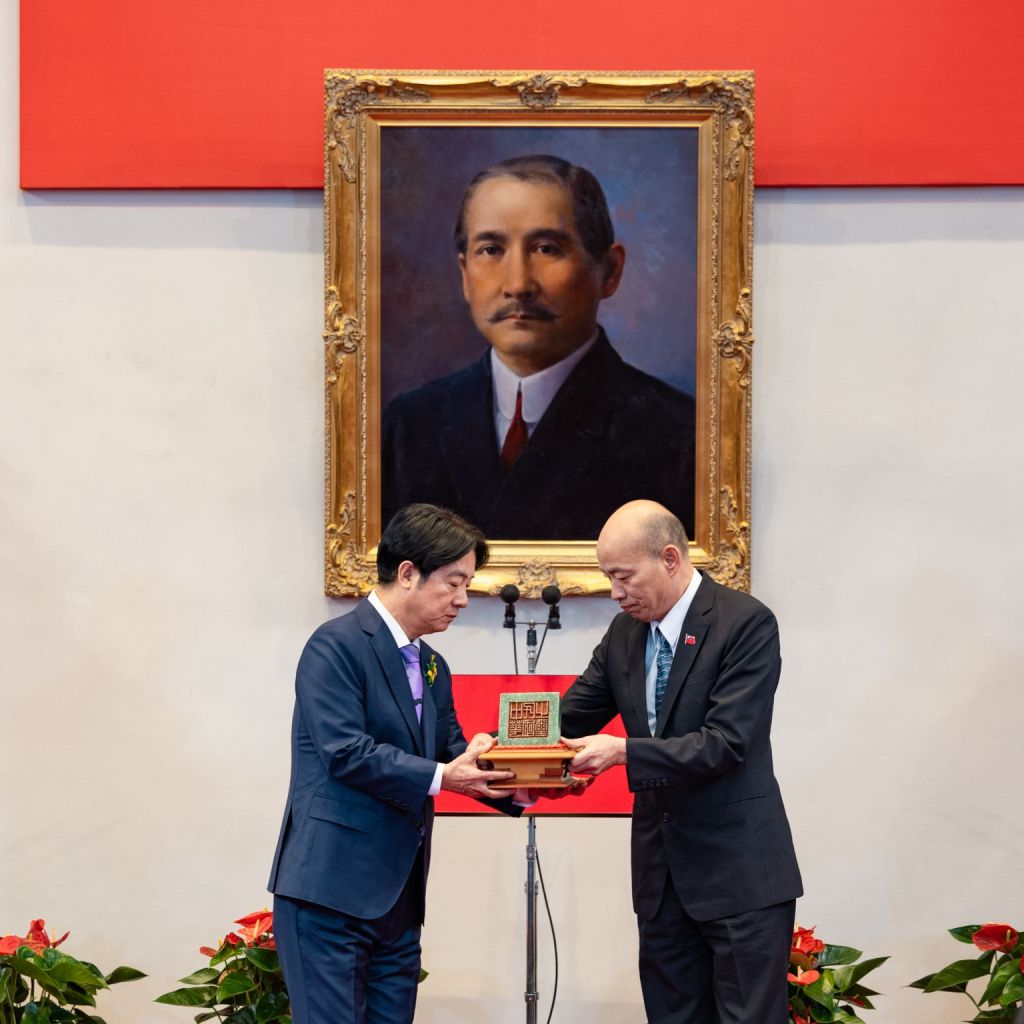
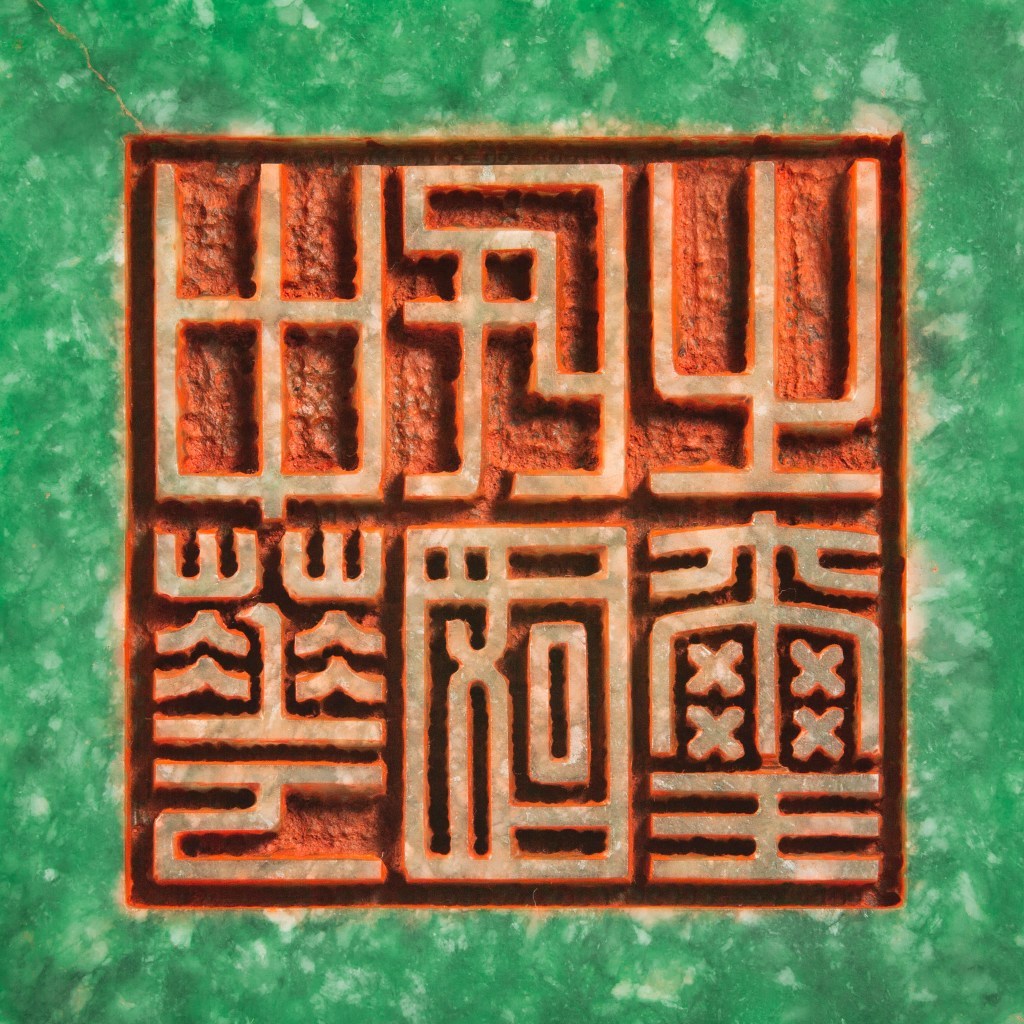
During Taiwan’s presidential inauguration, the incoming president is presented with both the National Seal of the Republic of China and the Seal of Honour, symbols of authority dating back to 1928 that remain in use today. These seals represent the continuity of state power across generations.
By contrast, the National Seal of the People’s Republic of China has been out of use since 1959, highlighting a striking difference in how political symbolism and tradition are preserved on either side of the Taiwan Strait.
Signature chops may seem archaic at first, especially to foreigners coming from fully digital bureaucratic systems. But in Taiwan, they represent trust, continuity, and legitimacy. Even if you never need one yourself, understanding how chops work offers a unique window into Taiwanese society, where ancient practices still play a meaningful role in one of the world’s most technologically advanced economies.
 Bubble Tea Island