What Does "ไฝ ๅพˆๆฉŸ่ปŠ" Mean in Taiwan?
Chinese

What Does “ไฝ ๅพˆๆฉŸ่ปŠ” Mean in Taiwan?

If youโ€™ve spent any time in Taiwan or are a fan of Taiwanese dramas, thereโ€™s a good chance youโ€™ve heard the phrase โ€œไฝ ๅพˆๆฉŸ่ปŠโ€. At first glance, it translates literally as โ€œYouโ€™re so motorbike.โ€ Confused? Donโ€™t worry, this slang has nothing to do with actual scooters or motorcycles, despite Taiwan being a paradise for two-wheeled transport… Continue reading What Does “ไฝ ๅพˆๆฉŸ่ปŠ” Mean in Taiwan?

ๆนฏ | Chinese Character for Soup
chinese characters

ๆนฏ | Chinese Character for Soup

ๆนฏ is the character for โ€œsoupโ€. It is made out of 12 strokes. Chinese CharacterSimplified VersionBopomofoPinyinๆนฏๆฑคใ„Šใ„คtฤng Definition Soup; hot or boiling water; decoction of medicinal herbs; water in which sth has been boiled Historical Origins The Chinese character ๆนฏ is a phono-semantic compound, combining the semantic component ๆฐต (water) and the phonetic component ๆ˜œ (yรกng).… Continue reading ๆนฏ | Chinese Character for Soup

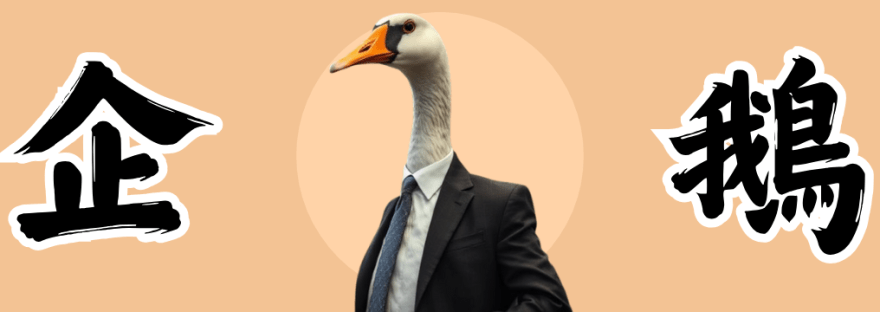
Does the Chinese Word for Penguin Mean "Business Goose"?
Chinese

Does the Chinese Word for Penguin Mean “Business Goose”?

The idea that the Chinese word for โ€œpenguinโ€ (ไผ้ต, qวโ€™ รฉ) literally translates to โ€œbusiness gooseโ€ has been circulating online, often accompanied by amusing memes. While itโ€™s a fun and appealing concept, particularly since penguins do appear to waddle around in formal tuxedo-like attire, the truth behind the term is more nuanced. Breaking Down the… Continue reading Does the Chinese Word for Penguin Mean “Business Goose”?

่Œถ | Chinese Character for Tea
chinese characters

่Œถ | Chinese Character for Tea

่Œถ is the character for โ€œteaโ€. It is made out of 9 strokes. Chinese CharacterSimplified VersionBopomofoPinyin่Œถ่Œถใ„”ใ„šหŠchรก Definition Tea Historical Origins The Chinese character ่Œถ (chรก) is a phono-semantic compound combining the semantic component ่‰น, representing "grass" or "plant," with the phonetic component ไฝ™ (OC *la), suggesting its pronunciation. It evolved from the archaic character ่ผ… Continue reading ่Œถ | Chinese Character for Tea

ๆฅŠ | Chinese Character for Poplar
chinese characters

ๆฅŠ | Chinese Character for Poplar

ๆฅŠ is the character for โ€œPoplarโ€. It is made out of 13 strokes. Chinese CharacterSimplified VersionBopomofoPinyinๆฅŠๆจใ„งใ„คหŠyรกng Definition Poplar; surname Yang Historical Origins The character ๆฅŠ is a phono-semantic compound: ๆœจ ("tree") indicates its meaning, and ๆ˜œ (laล‹) suggests its pronunciation, originally referring to a type of tree, like the poplar. Vocabulary with the Character ๆฅŠ… Continue reading ๆฅŠ | Chinese Character for Poplar

ๆˆ‘ | Chinese Character for I; Me
chinese characters

ๆˆ‘ | Chinese Character for I; Me

ๆˆ‘ is the character for โ€œI; meโ€. It is made out of 7 strokes. Chinese CharacterSimplified VersionBopomofoPinyinๆˆ‘ๆˆ‘ใ„จใ„›ห‡wว’ Definition I; me; my Historical Origins The Chinese character ๆˆ‘ (wว’, "I") has its origins as a pictogram depicting a trident-like weapon or tool, as seen in its oracle bone script form ๐ขฆ. Scholars such as Jao and… Continue reading ๆˆ‘ | Chinese Character for I; Me

็ด… | Chinese Character for Red
chinese characters

็ด… | Chinese Character for Red

็ด… is the character for โ€œredโ€. It is made out of 9 strokes. Chinese CharacterSimplified VersionBopomofoPinyin็ด…็บขใ„ใ„จใ„ฅหŠhรณng Definition Red; popular; revolutionary; bonus Historical Origins The Chinese character ็ด… is a phono-semantic compound composed of the semantic component ็ณธ (silk) and the phonetic component ๅทฅ. This structure links its meaning to silk, which was often dyed red… Continue reading ็ด… | Chinese Character for Red

ๆ˜ฅ | Chinese Character for Spring
chinese characters

ๆ˜ฅ | Chinese Character for Spring

ๆ˜ฅ is the character for โ€œspringโ€. It is made out of 9 strokes. Chinese CharacterSimplified VersionBopomofoPinyinๆ˜ฅๆ˜ฅใ„”ใ„จใ„ฃchลซn Definition Spring (time); joyful; youthful; love; lust; life Historical Origins The Chinese character ๆ˜ฅ, meaning "spring," originated as a phono-semantic compound. Its structure combines the semantic component ่‰ธ ("grass") with the phonetic ๅฑฏ (tun, meaning "sprout"). Over time, the… Continue reading ๆ˜ฅ | Chinese Character for Spring