
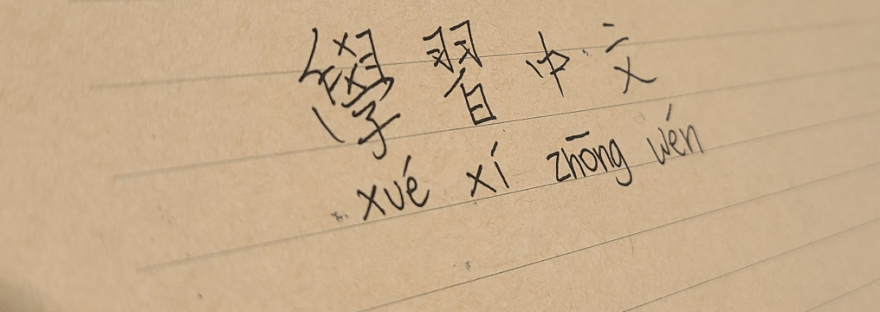
Hanyu Pinyin (traditional Chinese : 漢語拼音; simplified Chinese : 汉语拼音), also known as simply Pinyin, is the standard system of romanization for Mandarin Chinese used in Mainland China, Singapore, and Malaysia. It uses the Latin alphabet to transliterate the pronunciation of Chinese characters in Mandarin, making it a useful tool for learning and speaking the language.

When Was Pinyin Invented?
The invention of Pinyin can be traced back to the 1950s in Communist China, where it was initially developed with the aim of improving the literacy rate throughout the country. Since then, Pinyin has gained significant popularity and is now widely recognized as the official romanization system for Mandarin Chinese. Notably, the international community, including the United Nations, has officially acknowledged Pinyin as the standard method for romanizing Mandarin Chinese.
Who Invented Pinyin?
The invention of the Pinyin we know today is thanks to the hard work of the Chinese linguist and economist Zhou Youguang (周有光).

In 1955, he was tasked by the Chinese Communist Party to develop a new alphabet for the Chinese language, aiming to enhance literacy and ultimately eliminate Chinese characters entirely.
Zhou, along with a team, dedicated three years to perfecting Pinyin, drawing inspiration from various romanization systems that had existed throughout history, as well as the phonetic alphabet of Republican China, Bopomofo.
On 11 February 1958, Pinyin officially became the sole romazination system in Mainland China.
How to Learn Pinyin ?
Pinyin consists of 25 letters, which are mostly the same as the modern Latin alphabet, with the exception of the letter “v.” While Pinyin may appear straightforward at first glance, it can be deceptively difficult to learn. In reality, many of the letters are pronounced differently than in English. For example, “q” is pronounced as “tch,” “x” is pronounced as “hs,” and “c” is pronounced as “ts.” As a result, it is crucial to relearn each letter in the Chinese way to ensure that you speak Chinese correctly.
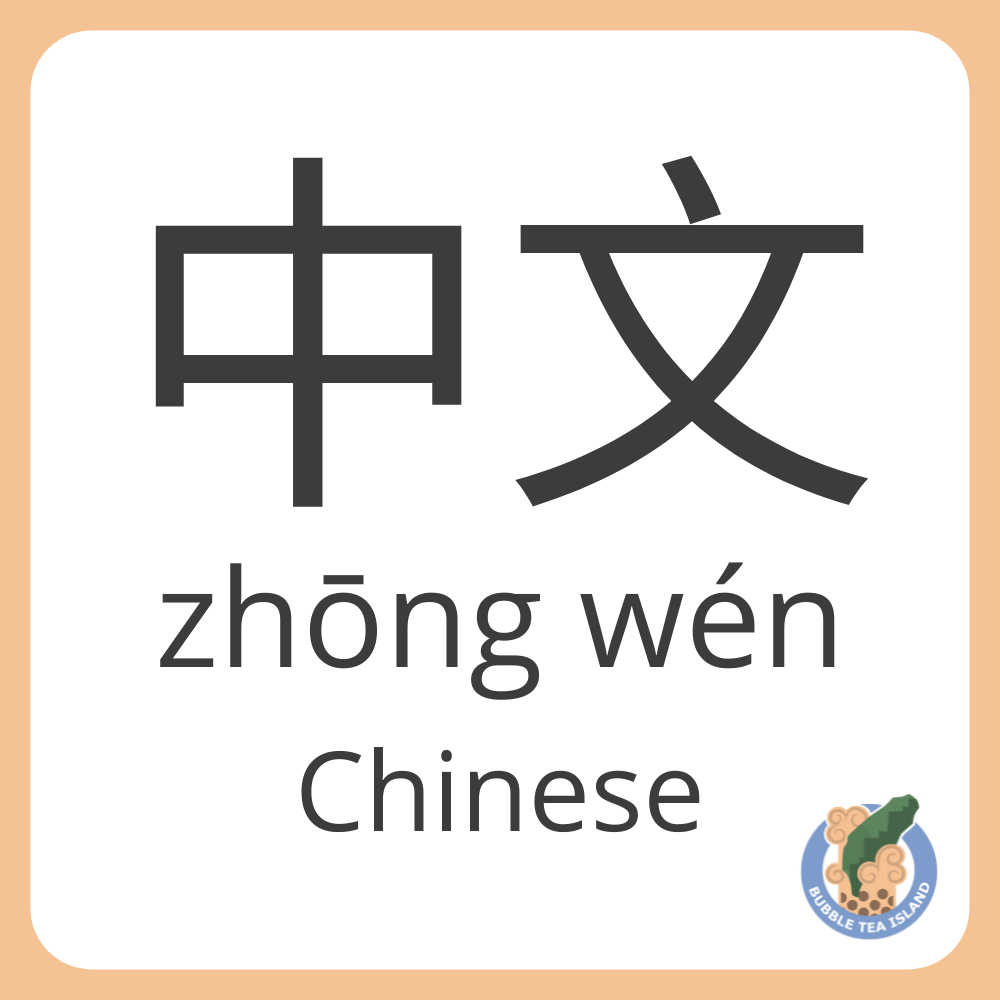
These letters are combined to form a vast array of possible syllables in Mandarin Chinese. Since Mandarin is a monosyllabic language, each syllable has a meaning of its own. To master Pinyin and its pronunciations, it is recommended to refer to a Mandarin Chinese Pinyin chart with audio. This chart can help you learn the correct pronunciation of all Pinyin letters and existing syllables. Make sure to keep this chart on hand for reference whenever you have doubts about pronunciation. Dictionary apps such as Pleco also offers audio with all their entries.
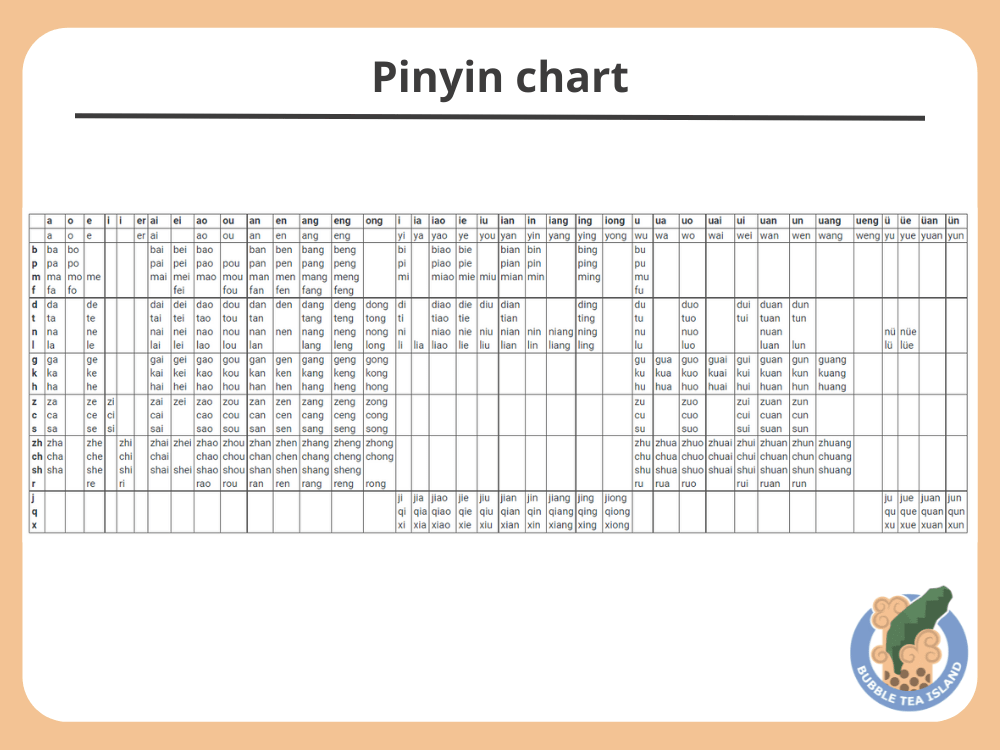
There are a total of 56 Pinyin syllables (also known as phonemes), resulting in approximately 400 distinct Pinyin combinations currently in use. These 56 syllables are further categorized into two groups: initials and finals.
How to Type Chinese Using Pinyin? – Input Method
Pinyin serves as a convenient tool for typing Chinese characters on computers or smartphones. Simply type the corresponding Pinyin syllables, and a list of possible characters will appear on the screen. From there, select the appropriate character (which can be challenging at times) and it will be inserted into your text. Pinyin keyboards are widely available for download on most computers and smartphones, making it easy to use this system for Chinese typing.

How Are Tones Written in Pinyin?
Lastly, to become literate in Pinyin, it is crucial to learn the tones. Mandarin Chinese, like many other Sinitic languages, is tonal, meaning that the meaning of a word can vary based on the tonal inflection of the syllables.

Mandarin features five distinct tones: the flat tone, rising tone, dip tone, falling tone, and neutral tone. To avoid being misunderstood, it is essential to learn and utilize the correct tone for every word.
Is Pinyin Used in Taiwan?
Pinyin was officially adopted as the official romanization system in Taiwan in 2009. However, it has not been widely accepted by the general population. Except for those with a background in teaching Chinese as a second language, most Taiwanese do not have knowledge of Pinyin and are unable to read or write it. Instead, other romanization systems such as the Wade-Giles or the Chinese Postal Romanization are commonly used.

It’s worth noting that Taiwan has its own phonetic alphabet called Bopomofo, which is primarily used to teach the pronunciation of Chinese characters to children. While Pinyin is not commonly used in Taiwan, Bopomofo is widely used and recognized throughout the country.
You now have a solid understanding of the basics of Pinyin. However, the question remains whether adopting Pinyin as your primary phonetic system when learning Chinese is the right choice. While Pinyin is the official romanization system for Mandarin Chinese and is widely used in Chinese teaching materials worldwide, it is worth noting that most Taiwanese do not use Pinyin. If your goal is to study or work in Taiwan, it would be beneficial to have at least a basic knowledge of Bopomofo, an alphabet that every Taiwanese is familiar with.
Once you have mastered the intricacies of either Pinyin or Bopomofo, you can proceed to learn how to write Mandarin Chinese properly.
Join our Substack “Mandarin Zest“, where we regularly share intermediate to advanced Chinese learning content. Make sure to subscribe!
Here’s a delightful children’s song that can aid you in memorizing Pinyin pronunciation!
 Bubble Tea Island