
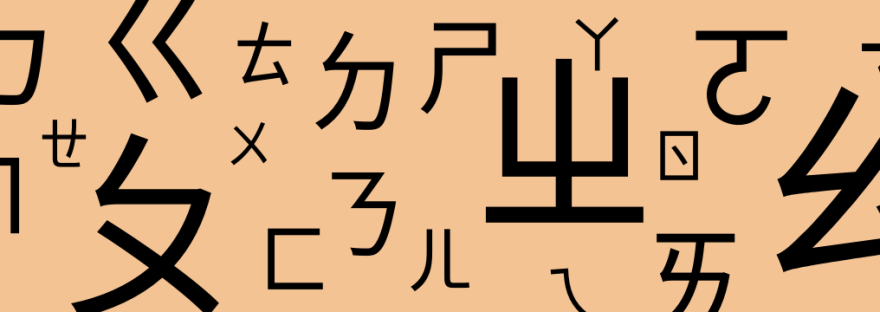
Bopomofo (注音符號), also known as Zhuyin, is the official phonetic system used in Taiwan for Mandarin Chinese. It serves as a tool for teaching children how to pronounce Chinese characters and for typing Chinese on smartphones and computers. Additionally, it is commonly used in informal written conversations.

History of Bopomofo
Bopomofo was created in early 20th century China. It was made to help people read and pronounce Chinese characters correctly. The system was first introduced in 1913 but officially adopted in 1928. Originally called Guoyin Zimu and later Zhuyin Fuhao in 1930, it aimed to show how to say characters without replacing them. It’s like a bridge between spoken language and characters, and it helped people learn how to speak Chinese accurately. However, Bopomofo was later entirely replaced by Pinyin in China, whereas it remains the only official phonetic system used in education in Taiwan.
The term “Bopomofo” is derived from the first four characters of the system’s alphabet [ㄅㄆㄇㄈ – B’P’M’F’].
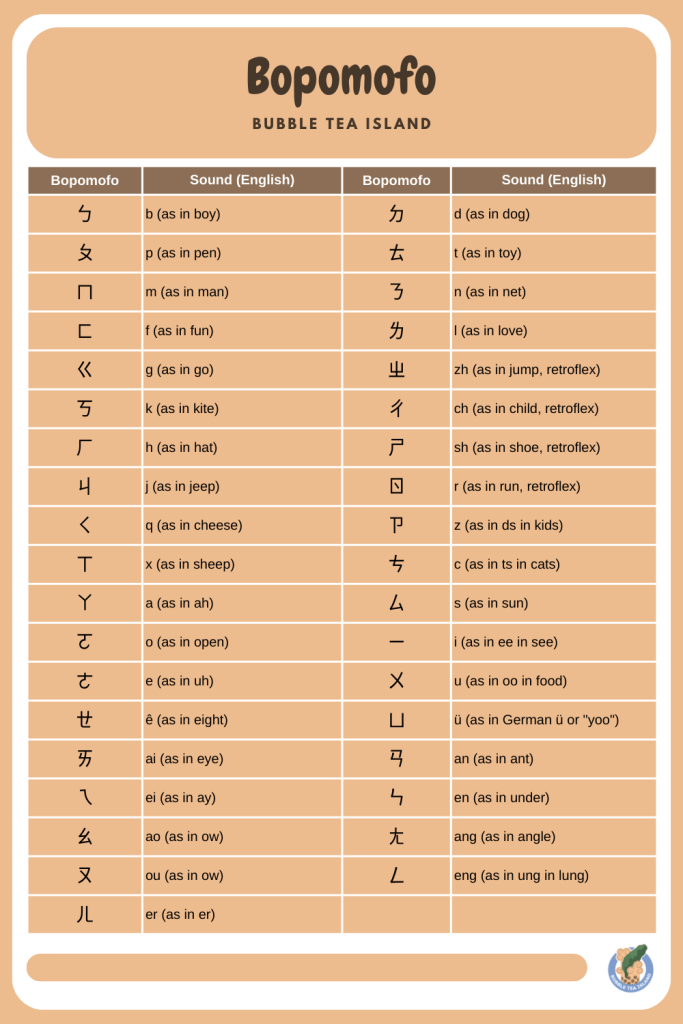
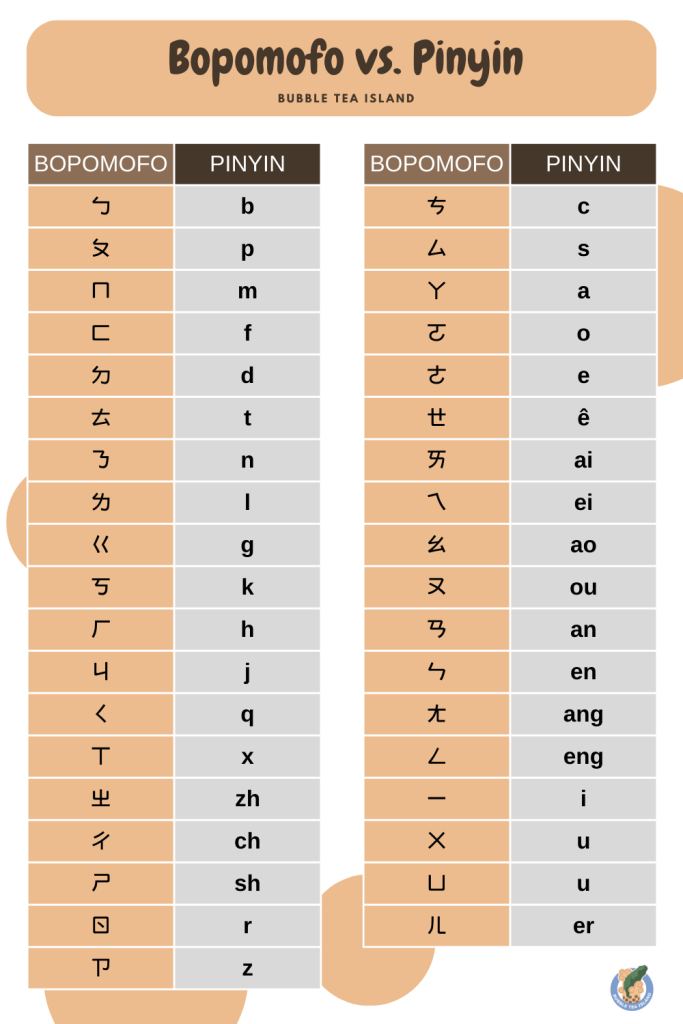
List of all Bopomofo letters
| Bopomofo | Sound (English) | Bopomofo | Sound (English) |
|---|---|---|---|
| ㄅ | b (as in boy) | ㄉ | d (as in dog) |
| ㄆ | p (as in pen) | ㄊ | t (as in toy) |
| ㄇ | m (as in man) | ㄋ | n (as in net) |
| ㄈ | f (as in fun) | ㄌ | l (as in love) |
| ㄍ | g (as in go) | ㄓ | zh (as in jump, retroflex) |
| ㄎ | k (as in kite) | ㄔ | ch (as in child, retroflex) |
| ㄏ | h (as in hat) | ㄕ | sh (as in shoe, retroflex) |
| ㄐ | j (as in jeep) | ㄖ | r (as in run, retroflex) |
| ㄑ | q (as in cheese) | ㄗ | z (as in ds in kids) |
| ㄒ | x (as in sheep) | ㄘ | c (as in ts in cats) |
| ㄚ | a (as in ah) | ㄙ | s (as in sun) |
| ㄛ | o (as in open) | ㄧ | i (as in ee in see) |
| ㄜ | e (as in uh) | ㄨ | u (as in oo in food) |
| ㄝ | ê (as in eight) | ㄩ | ü (as in German ü or “yoo”) |
| ㄞ | ai (as in eye) | ㄢ | an (as in ant) |
| ㄟ | ei (as in ay) | ㄣ | en (as in under) |
| ㄠ | ao (as in ow) | ㄤ | ang (as in angle) |
| ㄡ | ou (as in ow) | ㄥ | eng (as in ung in lung) |
| ㄦ | er (as in er) |
Difference between Bopomofo and Pinyin
Both systems serve the same purpose: to transcribe the pronunciation of Chinese characters. Bopomofo is a native script consisting of 37 unique characters not used in other languages, while Pinyin uses the Latin alphabet (with the exception of the letter ‘v’).
Where is Bopomofo Used?
Bopomofo is almost exclusively used and taught in Taiwan. However, some Mandarin schools in Japan and Korea favor the use of Bopomofo over Pinyin because both Japanese and Koreans find it easier to learn a new script than to use the Latin alphabet, as it follows a logic similar to their own respective writing systems.
Is Bopomofo Similar to Japanese Kanas?
The answer is no at all. Japanese Kanas – Hiragana and Katakana – are syllabaries, meaning each character represents a syllable rather than a vowel or consonant. On the other hand, Bopomofo is a semisyllabary, meaning the majority of characters represent consonants or vowels, with the exception of a handful that represent full syllables.
In fact, there is only one character in both scripts that looks alike, but they represent different sounds.
| Bopomofo | Hiragana |
|---|---|
| ㄝ | せ |
| e | se |
While different, both scripts share something similar; they have their origins in Chinese characters. In other words, both Bopomofo and the Japanese Kanas were created from elements of Chinese characters.

How to Learn Bopomofo?
Bopomofo is a unique alphabet used exclusively to transcribe the pronunciation of Sinitic languages. Different versions of Bopomofo exist for various languages, including Cantonese and Taiwanese. The version presented here is used for Mandarin Chinese and comprises 37 letters.
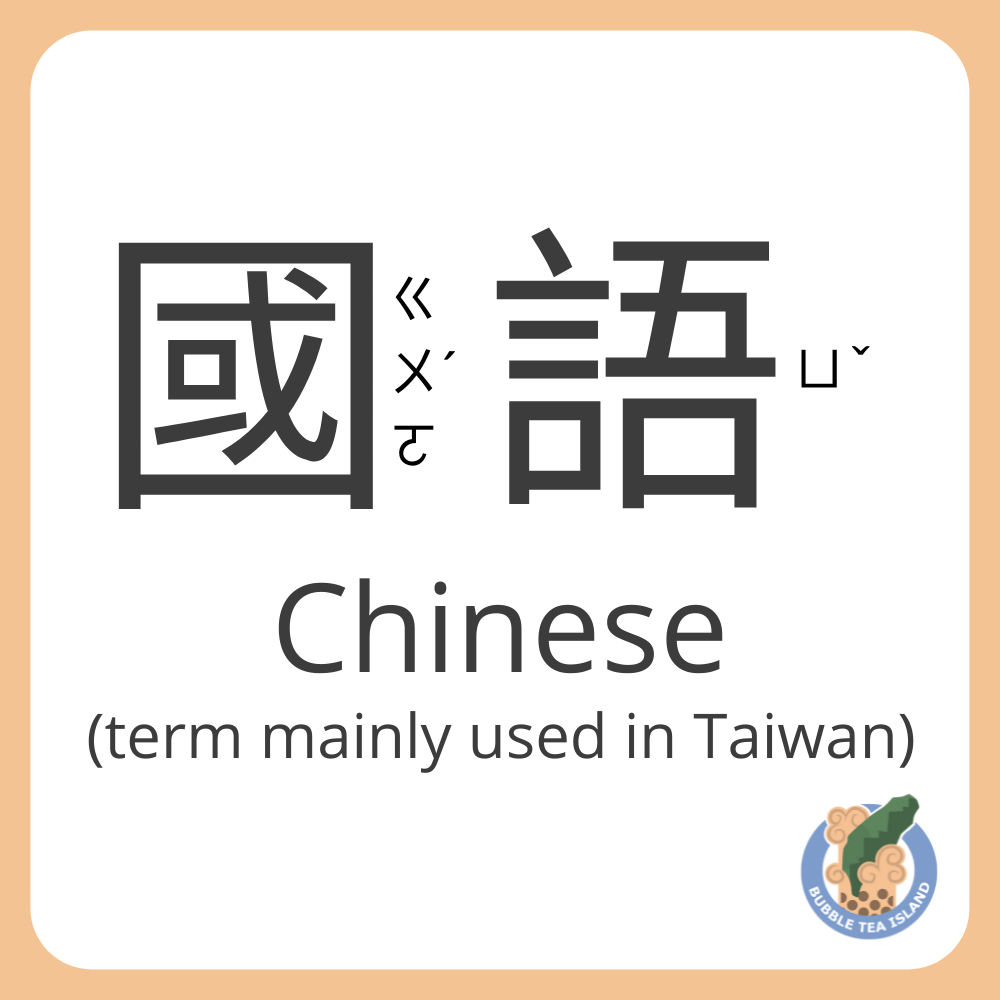
Similar to Pinyin, Bopomofo letters are combined to form syllables. Mandarin Chinese is a monosyllabic language, meaning that each syllable is a word on its own. Bopomofo can be written horizontally from left to right or vertically from top to bottom.

The best way to learn Bopomofo is to memorize the pronunciation of each letter without attempting to transcribe it using the Latin alphabet (as shown in the chart above, which is solely intended to provide a brief introduction to the alphabet). This Youtube video provides an excellent introduction to the pronunciation of each letter. Additionally, the dictionary app Pleco offers the option to choose Bopomofo as the default phonetic system.
How are tones written using Bopomofo?
Finally, it is essential to learn how to indicate tones when using Bopomofo. As with Cantonese, Shanghainese, and Taiwanese, Mandarin Chinese is a tonal language. Each syllable with a different tonal inflection carries a distinct meaning.
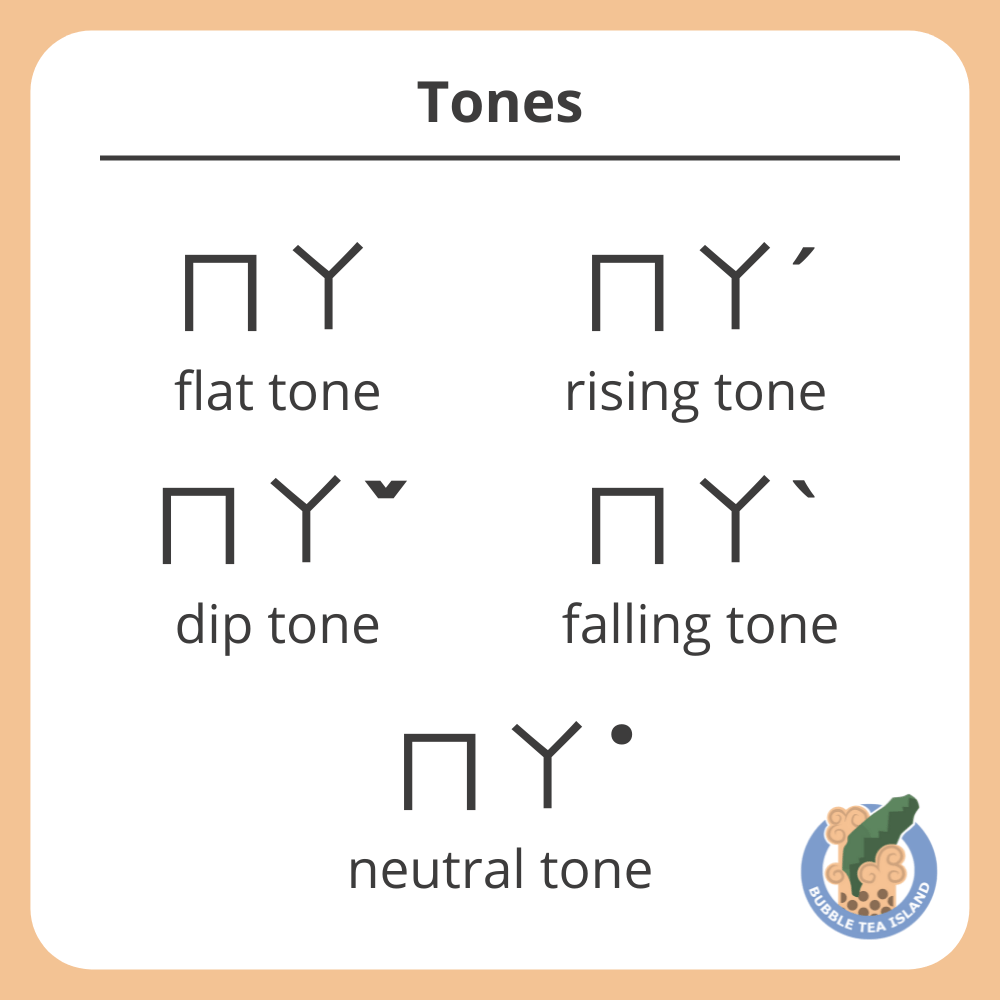
Mandarin features five tones: flat, rising, dipping, falling, and neutral. To avoid being misunderstood, it is crucial to use the appropriate tone for each word. While most Taiwanese individuals will still understand you, even if you use an incorrect tone, based on the context of the conversation, it is still essential to utilize the correct tone.
There are slight differences in indicating tones between Bopomofo and Pinyin. For instance, the flat tone has no accent in Bopomofo, but it features a flat accent in Pinyin. Additionally, the neutral tone has a dot accent in Bopomofo, whereas in Pinyin, it is denoted by the number zero.
How to type Chinese using Bopomofo?
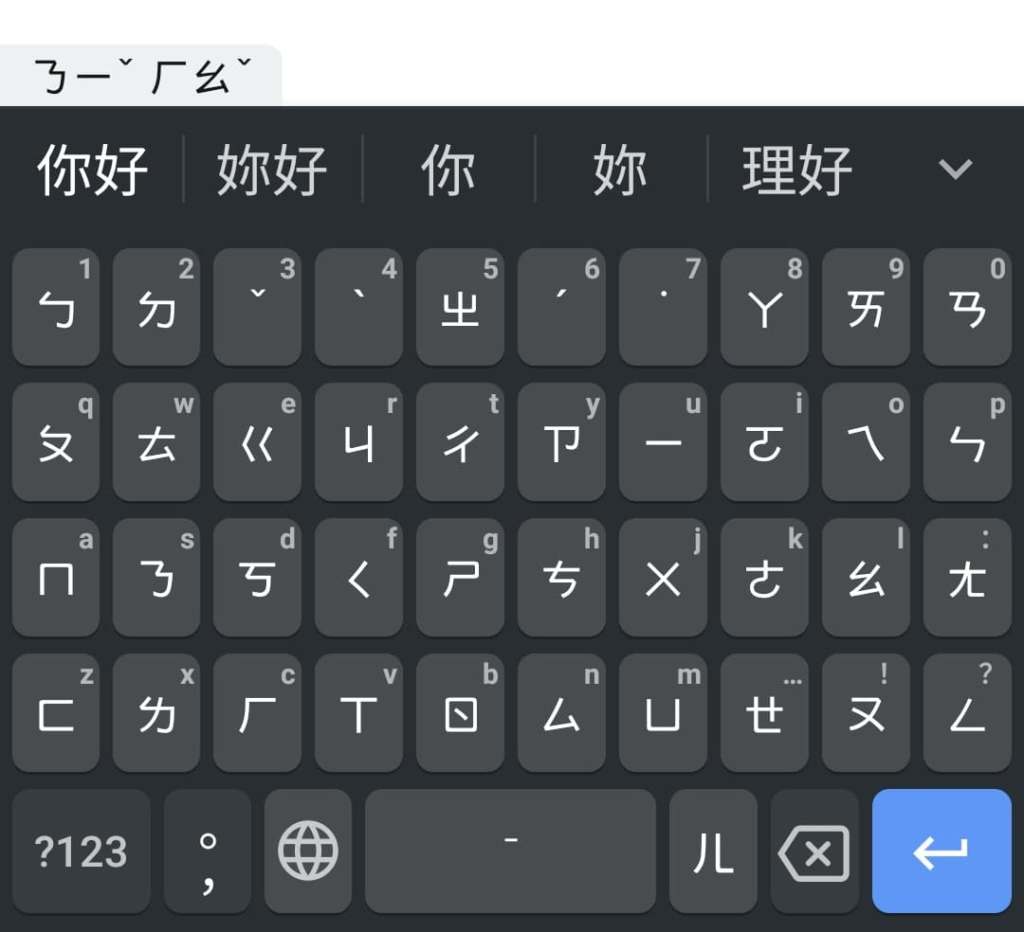
As previously mentioned, Bopomofo is the preferred method for typing Chinese characters in Taiwan. By typing the Bopomofo syllable, all the associated characters will appear on the screen. Bopomofo keyboards can be downloaded on most smartphones for easy use. However, obtaining a Bopomofo keyboard for computers is more challenging, as they are typically only sold in Taiwan.
Congratulations! You now possess a basic understanding of Bopomofo. If you plan on studying or working in Taiwan, it’s crucial to have a grasp of at least the fundamentals of Bopomofo, as it is the primary phonetic alphabet used by most Taiwanese. Additionally, it is widely prevalent in Taiwanese pop culture and can be an excellent conversation starter when meeting new local friends. Few foreigners make the effort to learn Bopomofo, so impressing locals with your knowledge will certainly leave a lasting impression.
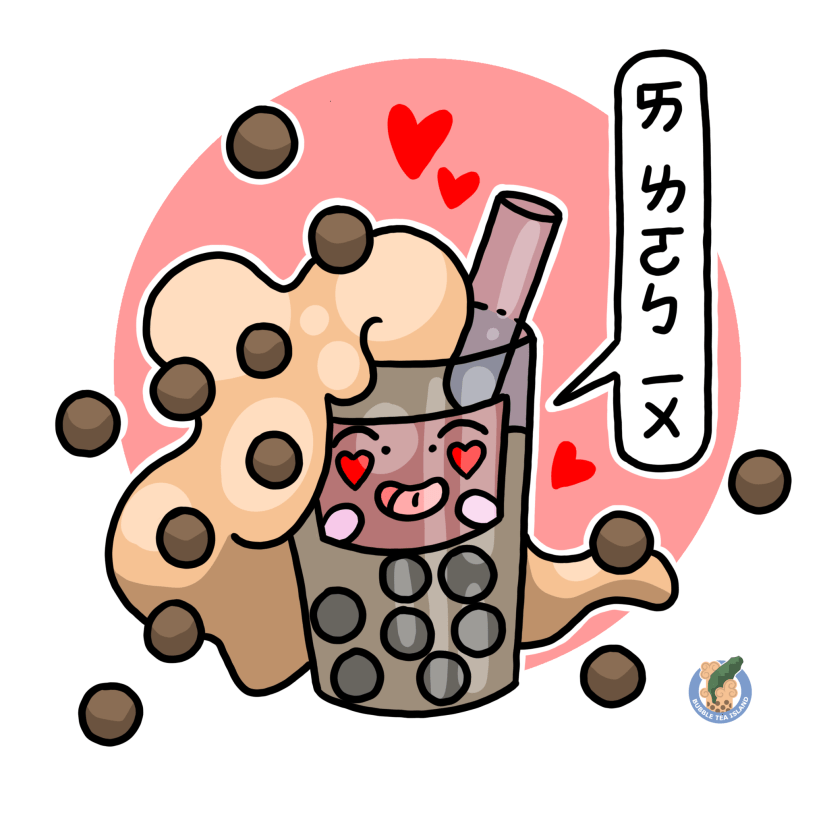
To help with memorizing Bopomofo’s pronunciation, you may enjoy this delightful children’s song:
Join our Substack “Mandarin Zest“, where we regularly share intermediate to advanced Chinese learning content. Make sure to subscribe!
 Bubble Tea Island
How so slow? Ao ou, / au, ơu, õu/
LikeLike
What do you mean?
LikeLike