
Taiwan is known for its vibrant culture, rich history, and friendly locals. While it’s an increasingly popular destination for travelers, expats, and students, one common question is: How widely is English spoken in Taiwan? In this article, we’ll delve into the current English proficiency levels in Taiwan, factors influencing English skills, and what you can expect if you plan to visit.
English Proficiency in Taiwan: A General Overview
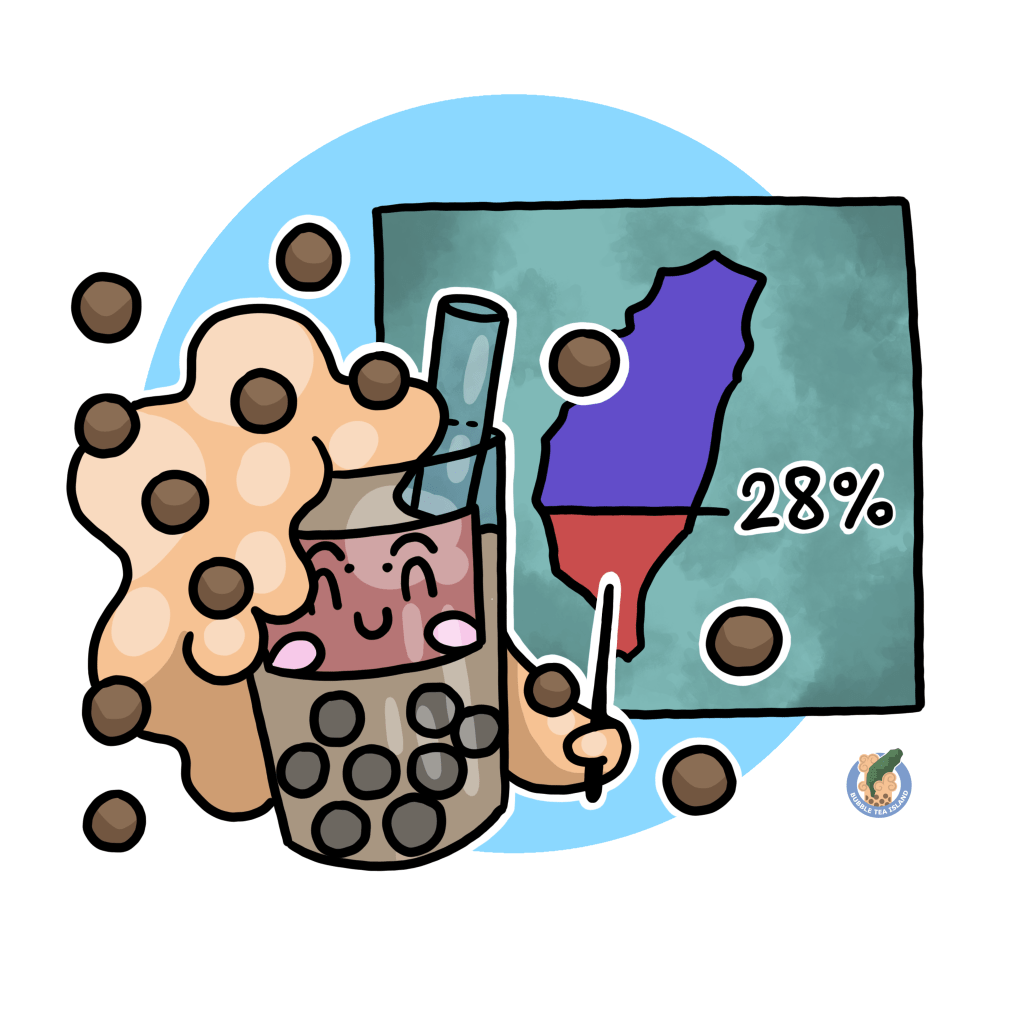
According to a 2020 survey by the Taiwanese government, about 28.5% of Taiwan’s population can speak some level of English. While younger generations have benefited from English instruction in schools, overall proficiency remains low, with less than 10% of the population speaking English fluently. English proficiency in Taiwan is similar to that of Japan and China, but it lags behind South Korea and Singapore.
The government has launched initiatives, like the “Bilingual 2030” policy, to raise English language standards nationwide. By aiming to make Taiwan a bilingual country by 2030, the government hopes to increase international competitiveness and foster a more welcoming environment for foreigners. However, achieving these goals will take time, especially as language proficiency differs significantly across regions and demographics.
English Proficiency by Region: Urban vs. Rural Areas
In large cities like Taipei, Taichung, and New Taipei, you’re more likely to find English speakers, especially among younger people and professionals in the hospitality sector. Northern Taiwan, where Taipei is located, generally has better English skills than the southern and rural regions due to the concentration of resources, educational institutions, and businesses that prioritize English.
However, English is less common outside urban centers, particularly in rural and southern areas. In these places, you may encounter fewer English speakers, especially among the older population. Still, Taiwanese people are known for being friendly and helpful, so even in less English-speaking areas, locals often make an effort to assist foreign visitors.

English Proficiency by Age Group
English skills in Taiwan vary widely across age groups. Due to changes in the education system, younger Taiwanese are more likely to speak English than older generations. Here’s a breakdown:
- Adults in their 20s: Approximately 25% report being able to hold everyday conversations in English.
- Adults in their 30s and 40s: Fewer than 20% speak English proficiently.
- Adults 50 and older: English proficiency is minimal in this group due to the later introduction of English as a school subject in Taiwan.
With English becoming a compulsory subject in primary schools since 2001, Taiwanese teenagers today typically reach an A2 level by their first year of high school, capable of basic communication. A growing number of students also attend private cram schools for additional English instruction, further improving proficiency among the younger population.
Taiwan’s 2018 English Proficiency Index Ranking
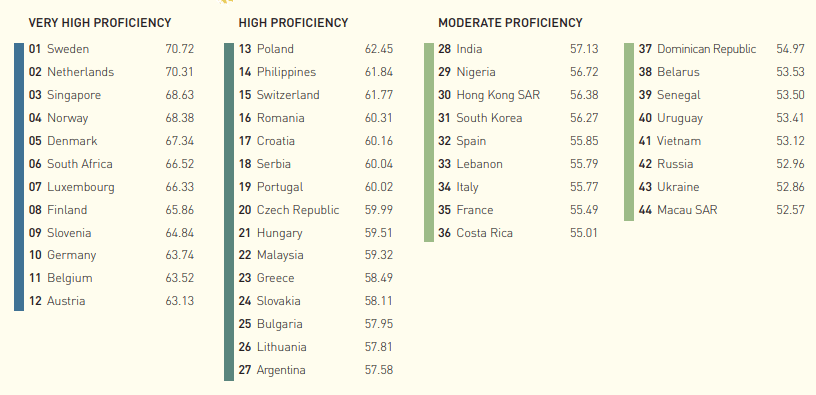
In the 2018 English Proficiency Index (EPI) by Education First (EF), Taiwan ranked 48th out of 88 non-English-speaking countries, falling into the “low proficiency” category. Although Taiwan ranked close to China and Japan, it was still well behind other countries in Asia, like South Korea and Singapore.
The Bilingual 2030 policy, introduced the same year, aims to elevate Taiwan’s ranking by expanding English instruction in schools and public services. Some cities, like Tainan and New Taipei, have even introduced English-friendly initiatives to improve accessibility, such as bilingual signage and English-speaking staff in tourist areas.


The Impact of COVID-19 on English Skills in Taiwan
The COVID-19 pandemic affected English proficiency in Taiwan, as the country’s strict border controls led to a sharp drop in foreign visitors and fewer opportunities for locals to practice English. Although the Bilingual 2030 policy continues, the pandemic set back some progress, especially in the service and tourism industries where English skills are crucial.
English Skills in the Service Industry
If you’re visiting Taiwan, you’ll find that English is more common in places that cater to tourists and expats, such as hotels, restaurants, and shopping centers, particularly in Taipei. Cities like Tainan have also implemented “English-Friendly Emblems” in businesses, ensuring that restaurants, transportation services, and tourist sites offer some level of English assistance. Recently, New Taipei introduced translation kiosks powered by AI in airports and visitor centers to enhance communication for English-speaking visitors.
Tips for English Speakers Traveling in Taiwan
If you’re planning to visit Taiwan, learning some basic Mandarin or Taiwanese Hokkien phrases can enhance your experience. Although English may not be widely spoken outside major cities, many public services in popular tourist areas offer English signage, and locals are usually accommodating to foreigners.
With initiatives like the Bilingual 2030 policy underway, Taiwan’s English proficiency is expected to improve in the coming years. In the meantime, knowing a few local words will go a long way, helping you connect with the Taiwanese people and culture.
More FAQs
Is English widely spoken in Taiwan?
English is not widely spoken in Taiwan, with only about 28.5% of the population able to speak it at a basic level. Proficiency is generally limited to younger people and residents of major cities.
Can I get by with only English in Taiwan?
Yes, especially in Taipei and other large cities. Hotels, tourist spots, and public transportation often provide English services, but it’s helpful to know some Mandarin or Hokkien for a smoother experience.
What other languages are spoken in Taiwan?
Besides Mandarin, many Taiwanese speak Hokkien, and there is a small population of Hakka and indigenous language speakers. Japanese is also popular among students as a second foreign language.
What is the Bilingual 2030 policy?
The Bilingual 2030 policy is a government initiative aimed at making Taiwan a bilingual (Mandarin and English) country by 2030. This policy is focused on increasing English language use in schools, public institutions, and tourism to enhance Taiwan’s global competitiveness.
By improving your understanding of Taiwan’s English proficiency, you can better plan your trip or stay in Taiwan, knowing what to expect in different regions and settings.
 Bubble Tea Island