

The question of why Taiwan doesn’t have nuclear weapons often intrigues observers, particularly given the growing tension in the Taiwan Strait. As of today, Taiwan does not possess nuclear weapons. While the country once attempted to develop such capabilities, its decision to abandon nuclear ambitions reflects a combination of international pressure, strategic calculations, and the risks of escalation with China.
A Brief History: Taiwan’s Secret Nuclear Weapons Program
In the late 1960s, Taiwan initiated a covert nuclear weapons program, acquiring nuclear technology from countries like Canada and the United States under the pretense of civilian energy development. The true goal, however, was to produce materials necessary for nuclear arms.
By the 1970s, Taiwan had shifted its focus to producing plutonium, a key component of nuclear weapons. These activities soon attracted attention from the International Atomic Energy Agency (IAEA) and the United States, which viewed Taiwan’s program as a threat to regional stability. In 1976, under pressure from Washington, Taiwan officially halted its efforts.
The program’s existence came to light again in 1987 when Colonel Chang Hsien-yi, a Taiwanese military officer, defected to the United States, exposing secret documents that detailed Taiwan’s nuclear ambitions. International condemnation followed, and Taiwan was forced to dismantle its program entirely.
These events had far-reaching consequences. Taiwan faced strained diplomatic relations, particularly with the United States, which saw nuclear proliferation as a red line. This episode also solidified Taiwan’s reliance on U.S. defense guarantees as a non-nuclear alternative.
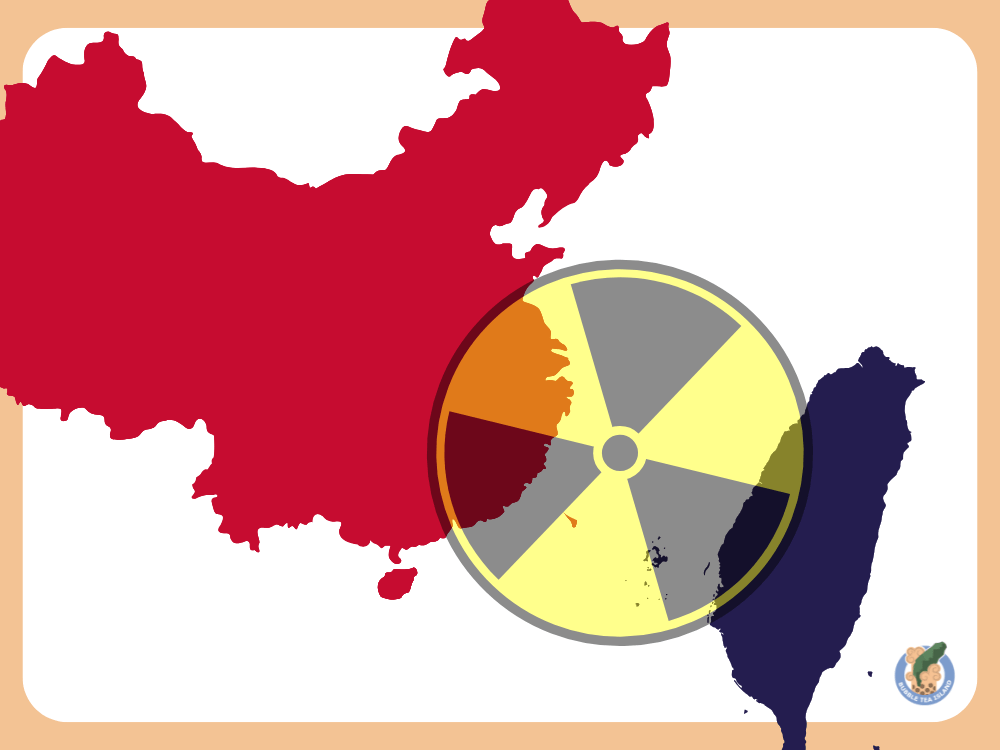
Why Taiwan Doesn’t Pursue Nuclear Weapons Today
Taiwan’s decision to avoid nuclear weapons is guided by a mix of strategic, diplomatic, and practical considerations:
- International Relations and Public Perception: The global community largely opposes nuclear proliferation. If Taiwan pursued nuclear weapons, it would damage its international reputation and alienate the sympathetic nations that currently support it. Isolation would weaken Taiwan’s ability to rally international backing in the event of a conflict with China.
- Provoking China: Developing nuclear weapons would likely cross a “red line” for Beijing, potentially triggering immediate and severe retaliation. China views such an act as comparable to Taiwan declaring formal independence—a move that Beijing has vowed to prevent at all costs.
- Existing Deterrence: While Taiwan doesn’t possess nuclear weapons, it does have other strategic options. One example is Taiwan’s potential ability to target China’s Three Gorges Dam in a conflict scenario. This structure is a critical piece of infrastructure, and its destruction would lead to catastrophic consequences. Although such an attack is not guaranteed to succeed, the mere threat acts as a psychological deterrent.
- Time and Resources: Developing nuclear weapons is a time-intensive and resource-heavy process. Taiwan’s attempts would likely be detected early, leaving it vulnerable to preemptive strikes or diplomatic isolation before any weapons could be operational.
Taiwan walks a delicate tightrope on the global stage. While the idea of nuclear weapons might seem like a tempting solution to its security challenges, the risks far outweigh the benefits. Its past nuclear program faced international condemnation, and any renewed effort would likely alienate allies, provoke China, and destabilize the region.

Instead, Taiwan relies on strong alliances, particularly with the United States, and emphasizes diplomacy and deterrence through non-nuclear means. By maintaining its commitment to non-proliferation and peaceful engagement, Taiwan continues to garner international support and protect its sovereignty in a volatile geopolitical environment.
 Bubble Tea Island