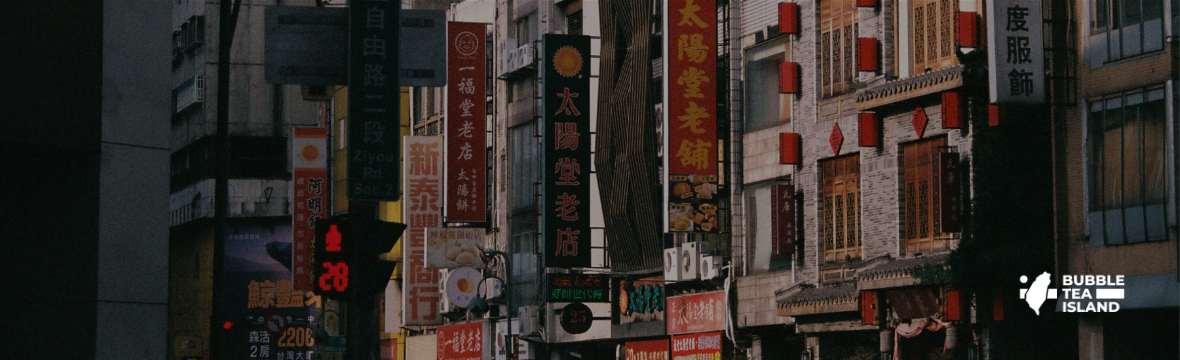

Chinese characters are known for being pretty complex, right? Well, have you ever wondered what the most complicated characters in this already tricky language actually look like? We’ve put together a list of the top 10 hardest Chinese characters to write, and we’re going to show them to you. Get ready to dive into the world of intricate strokes and interesting histories that make these characters so unique. We promise it’ll be fun!
10 – 龜 (ㄍㄨㄟ – Guī) : Turtle – 16 Strokes
Although 龜 consists of only 16 strokes, its complexity lies in both the way it’s written and its stroke order. In fact, even many adult native speakers in Taiwan occasionally find it challenging to write correctly, not to mention non-natives or Chinese individuals who are only familiar with its simplified counterpart (龟).


Mastering the correct stroke order may require some time and practice, but once you’ve got it down, you’re sure to impress many people.
9 – 鑰 (ㄧㄠˋ – Yào) : Key – 25 Strokes
The word “key” is remarkably straightforward to write in English, but in Chinese, it’s a whole different story. With its 25 strokes, it stands as one of the most difficult among common Chinese characters.

8 – 籲 (ㄩˋ – Yù) : To appeal to; to beg – 32 Strokes
We’re already adding 7 extra strokes compared to the previous characters! Have you noticed something interesting? You’re absolutely correct; both 籲 and 鑰 share the same radical – 龠 (ㄩㄝˋ – yuè). In fact, 龠, with its 17 strokes, holds the distinction of being the Chinese radical with the most strokes!

7 – 麤 (ㄘㄨˋ – Cū) : Rough – 33 Strokes
麤 is formed by repeating the character 鹿 (ㄌㄨˋ – lù), which means “deer,” three times. While this character may seem impressive due to its stroke count, if you can already write 鹿 correctly, then writing 麤 shouldn’t pose much of a challenge.

6 – 齉 (ㄋㄤˋ – Nàng) : Stuffed nose – 36 Strokes
齉 boasts so many strokes that it may appear indiscernible if your font size is too small. Fortunately, this character sees limited usage in modern Chinese. Nonetheless, from an aesthetic perspective, it holds a special place as one of the most visually appealing characters, at least in my opinion.

5 – (ㄓㄠ ㄘㄞˊ ㄐㄧㄣˋ ㄅㄠˇ – Zhāo cái jìn bǎo) : “Let riches & treasures enter the house” – 39 Strokes
This one is truly unique. It’s not quite a standalone character but rather a fusion of four characters – 招財進寶 (ㄓㄠ ㄘㄞˊ ㄐㄧㄣˋ ㄅㄠˇ – Zhāo cái jìn bǎo). The essence of this combination roughly translates to “Welcome wealth and treasures into the home.” This distinctive amalgamation is frequently found adorning charms or elegantly painted onto calligraphy scrolls, often affixed to doors during the Lunar New Year celebrations.

4 – 龘 (ㄉㄚˊ – Dá) : Appearance of a dragon flying – 48 Strokes
Just like 麤, 龘 is created by repeating the character 龍 (ㄌㄨㄥˊ – lóng), which means “dragon,” three times. Writing 龍 itself can be quite challenging, so you can imagine the task of writing it three times in a row!

3 – 䨻 (ㄅㄥˋ – Bèng) : Thunderclaps – 52 Strokes
This time, we’re not just repeating the same character three times; it’s four times! 䨻 is formed by using the character 雷 (ㄌㄟˊ – Léi), which means “thunder,” four times consecutively. Fortunately, the character 雷 is relatively straightforward to write as it’s simply composed of the radicals 雨 and 田.

2 – (ㄅㄧㄤˊ – Biáng) : A type of noodle – 58 Strokes
This character is often deemed as the most challenging “genuine” Chinese characters. It represents a particular type of Chinese noodle with its origins in Shaanxi cuisine, famously known as Biáng Biáng Noodles. Although it is recognized as a legitimate character, it does not appear in contemporary Chinese dictionaries, and typing it on a computer is currently not possible.

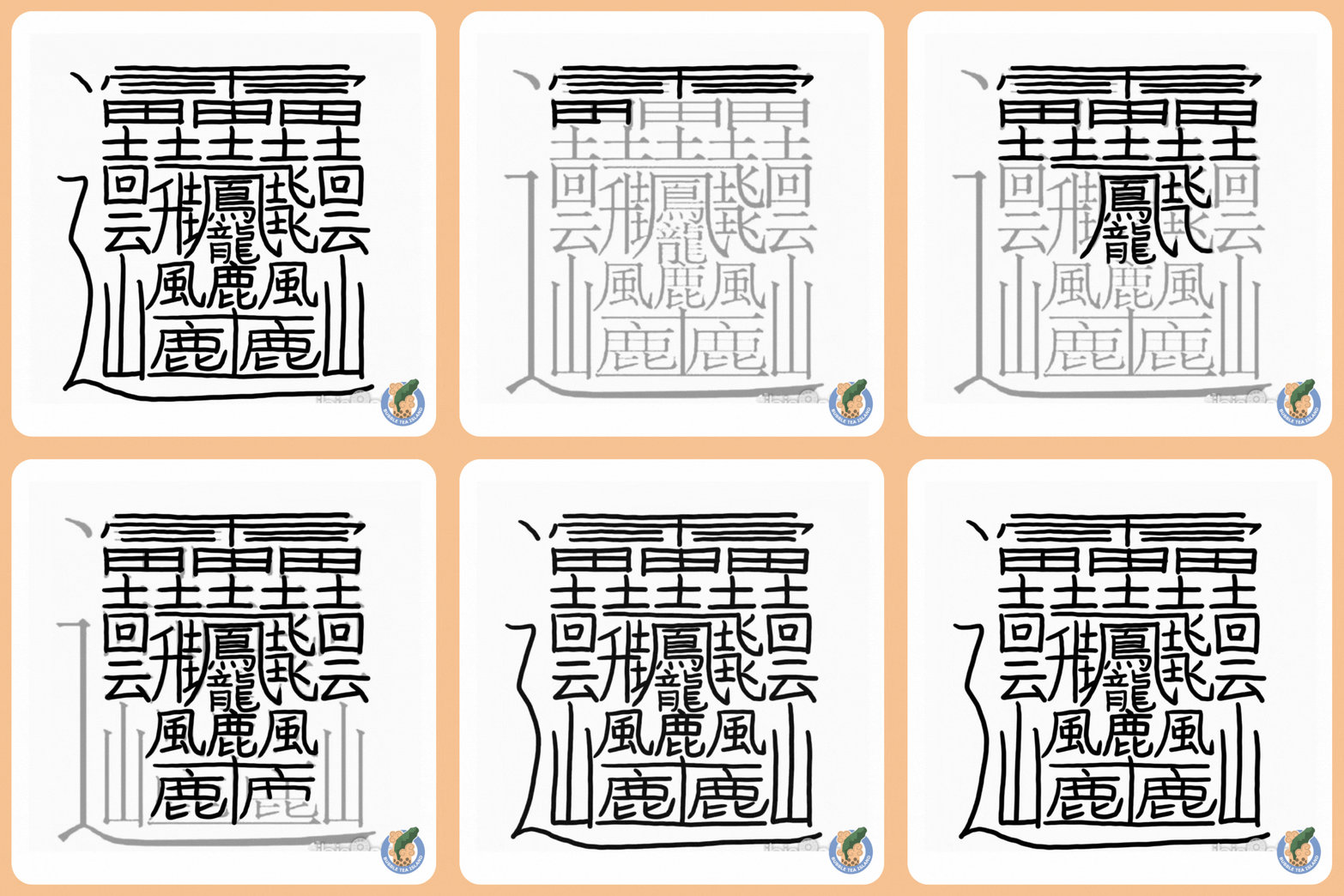
1 – (ㄏㄨㄤˊ – Huáng) : A Depiction of Heaven – 172 Strokes
This final character stands out as one of the most intricate Chinese characters ever created. Surprisingly, it’s not a genuine character but rather a work of art. Its pronunciation and meaning have been the subject of ongoing debates because its true originator remains a mystery. One theory suggests it represents a depiction of Heaven, but the beauty of this character lies in the fact that it invites personal interpretation, allowing everyone to perceive it as they wish.

Join our Substack “Mandarin Zest“, where we regularly share intermediate to advanced Chinese learning content. Make sure to subscribe!
The realm of Chinese characters unveils a captivating tapestry of complexity and creativity. From the challenging strokes of 龜 and 鑰 to the artistic allure of 齉 and 龘, these characters showcase the rich diversity and cultural significance embedded within the Chinese script. Whether it’s the fusion of 招財進寶 or the enigmatic beauty of ㄏㄨㄤˊ (Huáng), each character adds depth and character to the language, underscoring its dual role as a communication tool and an art form.
 Bubble Tea Island
genuinely how the hell r u supposed to write that ONE absolute hell of a character when its literally ez to. . js pronounce it if ur good at tonal like what the fu-
LikeLike
The character isn’t actually hard to write. If you take at all its components separately it’s actually fairly easy 😉
LikeLike