

In order to answer the question of whether Taiwan is a developing country, it is important to first understand the concept of what constitutes a developing country.
Developing countries are typically characterized by certain factors such as low per capita income, high levels of poverty, limited access to healthcare and education, and underdeveloped infrastructure. However, it is important to note that the term “developing country” is not a fixed label, but rather a spectrum that varies from country to country.

Understanding the Concept of a Developing Country
Developing countries are often categorized based on their economic, social, and technological indicators. These indicators provide insights into the level of development and progress a country has made over time. While it is not possible to definitively classify Taiwan as a developing country due to its unique circumstances, exploring its characteristics and economic indicators can provide a clearer understanding of its development status.
Taiwan, officially known as the Republic of China, is a country located in East Asia. It is an island nation with a population of over 23 million people. Despite its small size, Taiwan has emerged as one of the world’s major economies and is known for its technological advancements and high standard of living.

Characteristics of Developing Countries
Developing countries typically exhibit several common characteristics. These include a high poverty rate, limited access to basic services such as healthcare and education, a reliance on agriculture as a major economic sector, and underdeveloped infrastructure. However, it is important to note that these characteristics may not be uniformly applicable to every developing country.
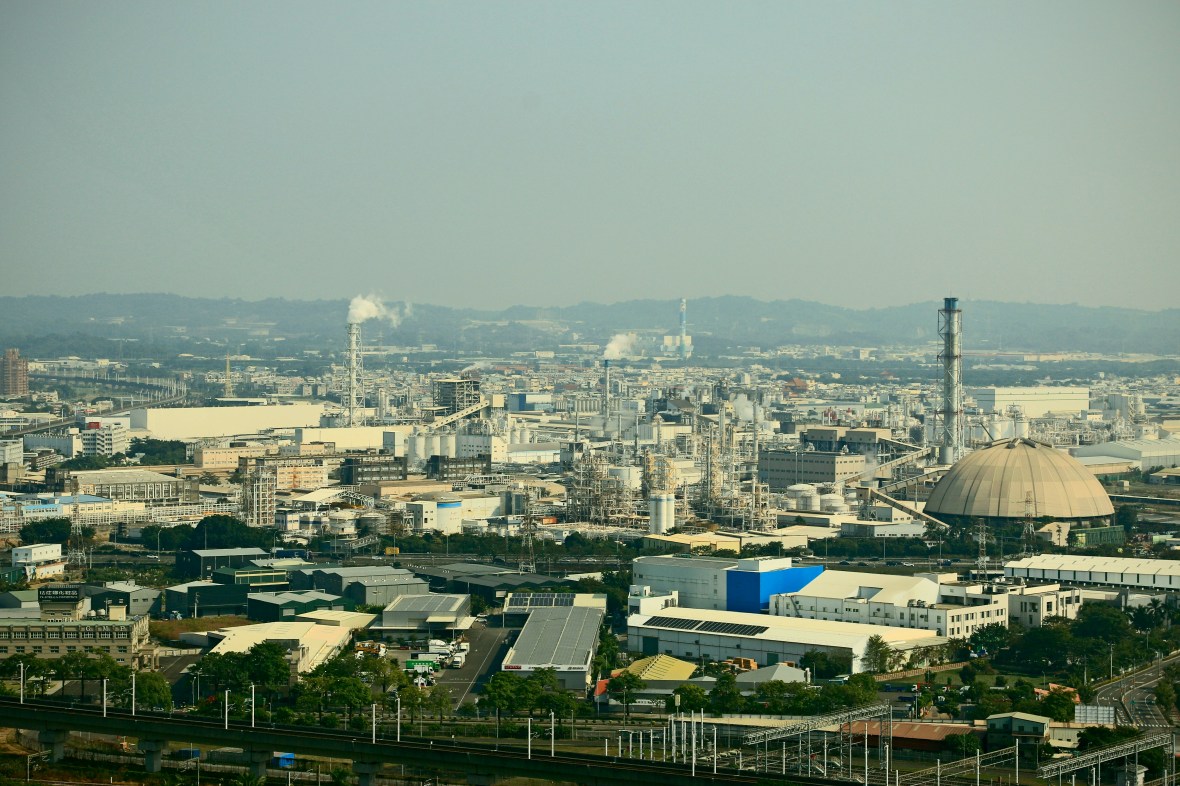
In the case of Taiwan, while it may not fit all the traditional characteristics of a developing country, it has faced its fair share of challenges in the past. Taiwan went through a period of rapid industrialization and urbanization in the mid-20th century, transforming its economy from an agricultural-based one to a manufacturing and export-oriented powerhouse. This transition brought about significant improvements in living standards and infrastructure development.
Today, Taiwan boasts a highly skilled workforce, advanced technology industries, and a well-developed healthcare and education system. It has achieved a remarkable level of economic prosperity and has become a global leader in the production of high-tech goods such as semiconductors and electronics.
The Spectrum of Development
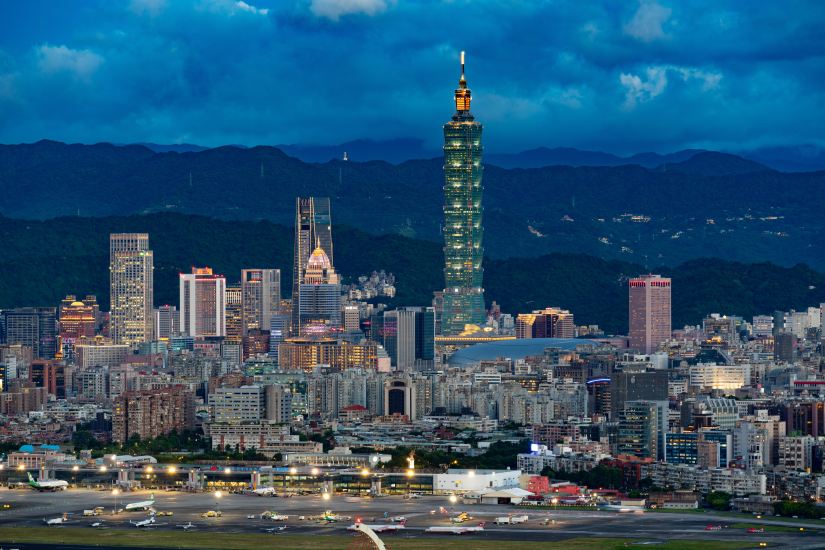
Development is a continuous process that occurs along a spectrum. At one end of the spectrum, we find the least developed countries, which face significant challenges in terms of poverty, inequality, and institutional capacity. At the other end, we find the most developed countries, characterized by high levels of income, well-established infrastructure, and advanced social systems. Taiwan falls somewhere within this spectrum, having experienced significant economic growth and development over the past few decades.
It is important to note that Taiwan’s development has not been without its own set of challenges. Despite its economic success, Taiwan still faces issues such as income inequality and an aging population. The government has implemented various policies and initiatives to address these challenges and ensure sustainable development for the future.
In recent years, Taiwan has also been actively involved in international development efforts, sharing its expertise and knowledge with other countries. It has provided assistance in areas such as healthcare, agriculture, and technology transfer, contributing to the development of other nations.
In conclusion, while Taiwan may not fit the traditional mold of a developing country, its journey towards development has been remarkable. It serves as an example of how a nation can overcome challenges and achieve significant progress in a relatively short period of time. By understanding the characteristics and economic indicators of Taiwan, we gain valuable insights into the complexities of development and the diverse paths countries can take towards prosperity.
A Brief Overview of Taiwan’s History
Taiwan’s economic evolution is a testament to its progress as a country. In the mid-20th century, Taiwan was primarily an agrarian society with a relatively low level of industrialization. However, through a series of government-led initiatives, Taiwan gradually transformed into a major global player in the fields of technology, manufacturing, and trade.
Taiwan’s journey towards economic prosperity began in the 1950s with the implementation of land reforms and investments in infrastructure. These bold initiatives aimed to address the country’s economic challenges and create a solid foundation for future growth. The government recognized the importance of industrialization and export-oriented growth, setting the stage for Taiwan’s remarkable economic evolution.
As the years went by, Taiwan’s commitment to innovation and technological advancement became evident. The country became known for its thriving electronics industry, with companies like TSMC (Taiwan Semiconductor Manufacturing Company) and Foxconn gaining global prominence. These companies not only revolutionized the technology landscape but also contributed significantly to Taiwan’s economic growth and global competitiveness.

Taiwan’s Economic Evolution
Taiwan’s economic evolution can be attributed to a combination of factors. The government’s proactive approach in promoting industrialization and trade played a pivotal role. It established special economic zones, provided incentives for foreign investment, and implemented policies that encouraged entrepreneurship and innovation. These measures created a favorable environment for businesses to thrive and contributed to Taiwan’s economic success.
Furthermore, Taiwan’s commitment to education and research and development has been instrumental in its economic transformation. The country boasts a robust education system that emphasizes science, technology, engineering, and mathematics (STEM) subjects. This focus on STEM education has nurtured a highly skilled workforce, fueling innovation and driving technological advancements.
Political Changes and Their Impact
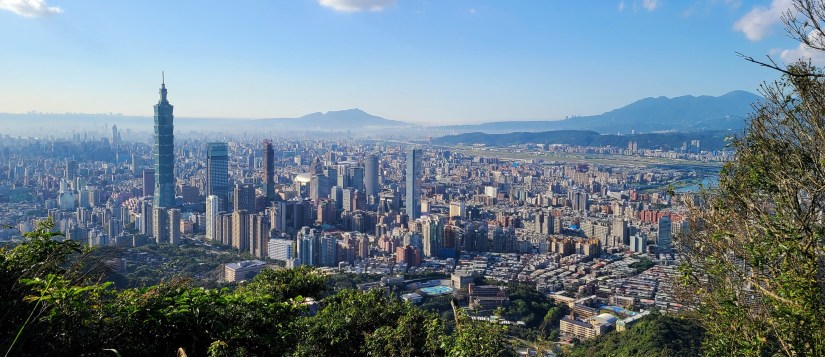
Taiwan’s political landscape has also played a significant role in its economic development. In the late 20th century, Taiwan embarked on a remarkable transition from an authoritarian regime to a multi-party democracy. This shift towards a more open and inclusive political system allowed for increased stability, which in turn contributed to the country’s economic growth.
The democratic reforms not only ensured political freedom and human rights but also created an environment conducive to entrepreneurship and investment. The rule of law, protection of property rights, and transparent governance became the pillars of Taiwan’s economic success. Investors and businesses were attracted to the stability and predictability offered by Taiwan’s democratic system, further fueling the country’s economic growth.
Additionally, Taiwan’s diplomatic policies and international relations have played a crucial role in shaping its development trajectory. Despite facing diplomatic challenges due to its unique political status, Taiwan has managed to establish strong economic ties with countries around the world. The country’s participation in international organizations and its active engagement in global trade have opened doors for economic opportunities and facilitated its integration into the global economy.
In conclusion, Taiwan’s economic evolution is a remarkable story of transformation and progress. From an agrarian society to a global technological powerhouse, Taiwan’s journey has been shaped by visionary government initiatives, a commitment to innovation, a skilled workforce, and a stable political environment. As Taiwan continues to navigate the complexities of the global economy, its resilience and determination serve as an inspiration to nations around the world.
Analyzing Taiwan’s Economic Indicators
When assessing whether Taiwan is a developing country, it is essential to analyze its economic indicators. These indicators provide valuable insights into the country’s economic growth, stability, and overall development.
GDP and Economic Growth
Taiwan boasts a strong and vibrant economy, with a high Gross Domestic Product (GDP) per capita. The country’s GDP has consistently displayed positive growth rates over the years, indicating a resilient and continuously expanding economy. Taiwan’s economic success can be attributed to its focus on technology and innovation, as well as strong government support for entrepreneurship and trade.
Employment and Unemployment Rates
The employment and unemployment rates of a country serve as important indicators of its economic health. Taiwan has managed to maintain a relatively low unemployment rate, reflecting the availability of job opportunities and a skilled workforce. The country’s commitment to education and human resource development has contributed to a highly skilled labor force, making Taiwan an attractive destination for investors and businesses.
Social Indicators of Development in Taiwan
While economic indicators play a significant role in determining a country’s development status, social indicators provide valuable insights into the overall well-being of its population. Examining social indicators can help shed light on Taiwan’s progress in areas such as education, healthcare, and quality of life.
Education and Literacy Rates
Taiwan places a strong emphasis on education, with high literacy rates and a well-developed education system. The country’s commitment to providing quality education has helped create a highly skilled workforce and foster innovation. Taiwan’s universities and research institutions are internationally recognized, attracting students and researchers from around the world.
Health and Life Expectancy
Taiwan’s healthcare system is renowned for its accessibility and quality of care. The country has achieved significant improvements in healthcare outcomes, resulting in high life expectancy rates. Taiwan’s focus on preventive medicine, universal healthcare coverage, and a strong public health infrastructure has been instrumental in ensuring the well-being of its population.

Technological Advancements in Taiwan
Technological advancements are a crucial aspect of a country’s development. Taiwan has established itself as a global leader in technology and innovation through its emphasis on research and development, as well as the cultivation of a supportive ecosystem for entrepreneurship.
Innovation and Research Development
Taiwan’s commitment to innovation can be seen through its strong investment in research and development (R&D) activities. The government, along with the private sector, has actively supported R&D initiatives in various fields, such as electronics, biotechnology, and renewable energy. This focus on innovation has allowed Taiwan to stay at the forefront of technological advancements.
Digital Infrastructure and Internet Penetration
Taiwan boasts a robust digital infrastructure and high internet penetration rates. The country’s advanced telecommunications network and widespread access to the internet have facilitated the growth of e-commerce, digital services, and technological entrepreneurship. Taiwan’s digital readiness has contributed to its competitiveness and integration into the global economy.

In conclusion, while Taiwan’s development journey has been remarkable, it is not accurate to categorize it strictly as a developing country. Taiwan has made significant strides in terms of economic progress, social development, and technological advancements. Its high GDP per capita, low unemployment rates, strong educational system, and healthcare infrastructure are indicative of a country that has achieved a considerable level of development. However, it is important to acknowledge that development is an ongoing process, and Taiwan continues to face challenges and opportunities as it strives for further growth and prosperity.
 Bubble Tea Island