
Naming conventions in Taiwan are deeply rooted in culture and tradition, reflecting both Chinese heritage and the unique identity of the island. While the majority of Taiwanese people of Han Chinese descent follow traditional Chinese naming practices, there are also modern influences and occasional quirks that make these customs fascinating.
Structure of Taiwanese Names
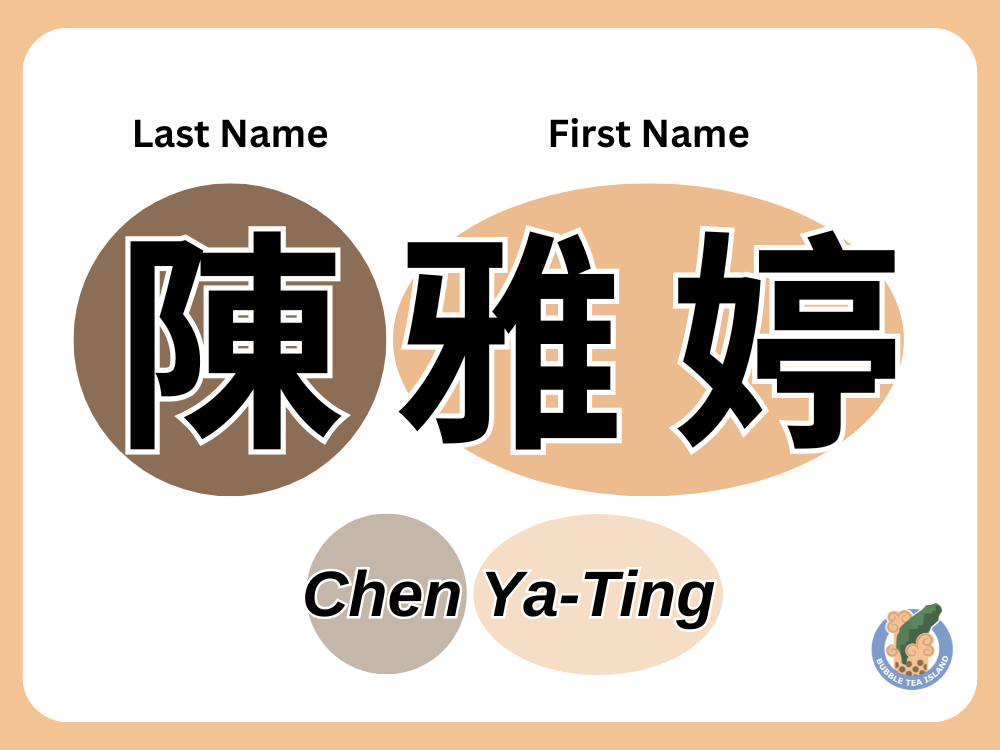
Taiwanese names typically consist of three syllables: a single-syllable family name (or surname) followed by a two-syllable given name. For example, a man named Lin Chi-ming is referred to as Mr. Lin, and a woman named Chen Shu-fen is addressed as Ms. Chen. The family name, usually inherited from the father, comes first, followed by the given name. However, variations exist:
- Single-syllable given names: These are relatively rare, with fewer than 5% of Taiwanese people having such names.
- Two-syllable family names: These are even less common, found in fewer than 1% of the population.
It is worth noting that indigenous tribes in Taiwan have distinct naming customs that differ significantly from those of the Han Chinese majority. These unique traditions merit a separate discussion.
Common Taiwanese Surnames
In Taiwan, certain surnames are exceptionally prevalent. The ten most common surnames are:
| Rank | Surname (Chinese) | Surname (Spelling) | Alternative Spellings |
|---|---|---|---|
| 1 | 陳 | Chen | – |
| 2 | 林 | Lin | – |
| 3 | 黃 | Huang | – |
| 4 | 張 | Chang | Zhang |
| 5 | 李 | Lee | Li |
| 6 | 王 | Wang | – |
| 7 | 吳 | Wu | – |
| 8 | 劉 | Liu | – |
| 9 | 蔡 | Tsai | Cai |
| 10 | 楊 | Yang | – |
These ten surnames account for around 53% of the population. Given names often carry significant meanings or aspirations, such as “Ming-Hui” (明惠, meaning “bright wisdom”) or “Nian-Zu” (念祖, meaning “thinking of ancestors”).
Choosing a Name: Fortune-Telling and Lucky Numbers
Names in Taiwan are believed to influence an individual’s destiny. It is common for parents to consult fortune tellers or use online name-selection tools to ensure the chosen name aligns with the child’s birth date, time, and other astrological factors. The number of strokes used to write the characters is also carefully considered, as certain combinations are deemed auspicious while others are avoided.
Occasionally, adults dissatisfied with their given names may decide to change them, believing a new name will bring better luck. However, Taiwanese law allows only two name changes per lifetime, except in extraordinary circumstances such as sharing a name with a notorious criminal.
The “Salmon Name” Incident
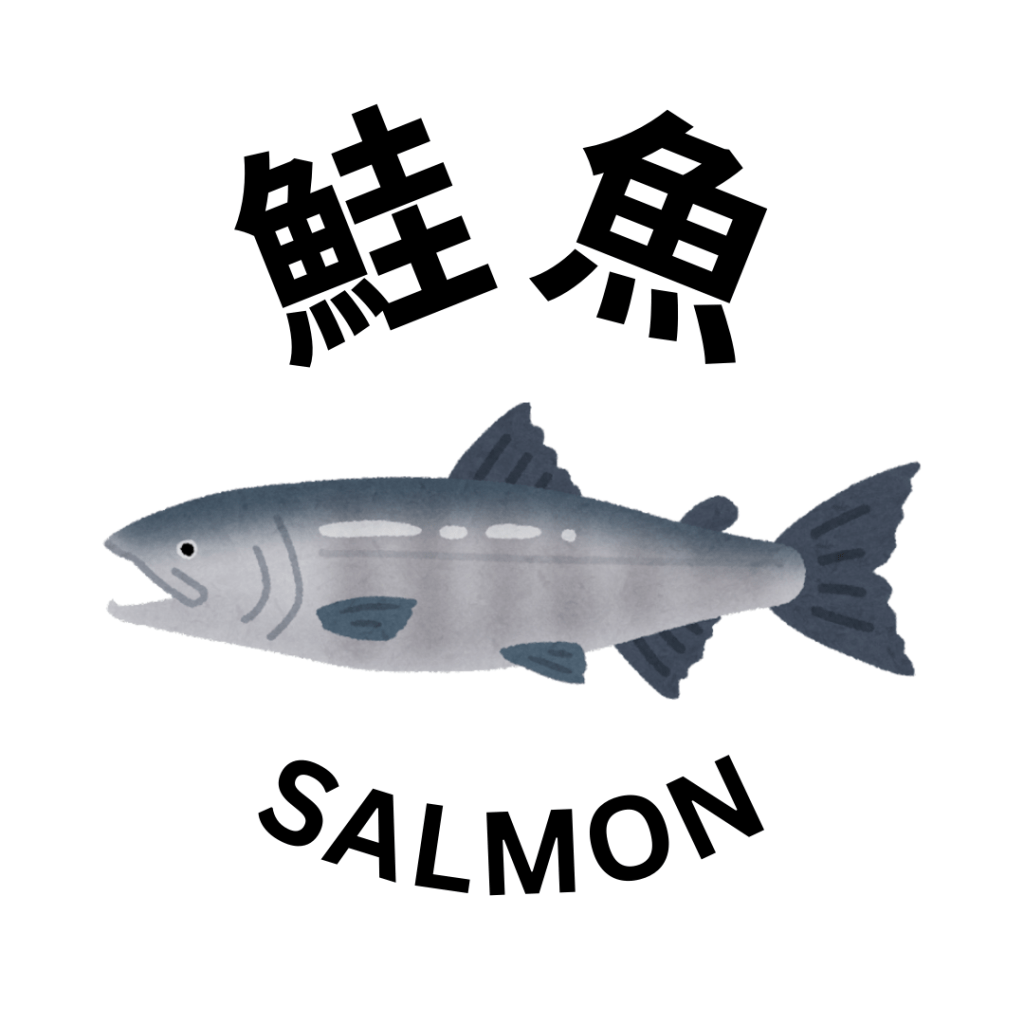
In 2021, a promotional campaign by a sushi chain offered free meals to groups if one member’s name included the characters for “salmon” (鮮魚, pronounced guiyu). Over 100 people legally changed their names to take advantage of the offer. While most reverted to their original names afterward, one individual discovered he couldn’t do so because his parents had already changed his name once during his childhood. This incident highlighted the cultural quirks and legal limitations surrounding name changes in Taiwan.
Romanization and Westernization of Names
Romanization systems like Wade-Giles and Pinyin have led to multiple spellings for the same Chinese name. For instance, 張 can be written as Chang (Wade-Giles) or Zhang (Pinyin). To avoid confusion, family names are often capitalized in English contexts, e.g., CHEN Wei-Ting.
Many Taiwanese adopt Western names for convenience, especially when interacting with English-speaking communities. These English names may:
- Be chosen by the individual or assigned by a family member or teacher.
- Resemble the sound of their Chinese name (e.g., Míng-Xuan becoming Michelle).
- Be used alongside their Chinese names in formats like “Susan HUANG” or “Susan Hui-Wen HUANG.”
Naming Trends and Historical Context
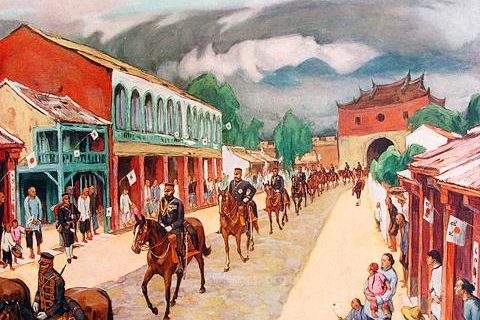
Name trends evolve over time. In the past, some children were given names with humble or even unpleasant meanings, such as Ji-shi (雞屎, meaning “chicken droppings”), to protect them from malevolent spirits. One notable example is Wang Ji-shi, a successful salt merchant during Japanese rule (1895-1945). Despite his name’s negative connotation, he achieved significant success and is now venerated as a local deity near Anping Old Fort.
Addressing Others
When addressing Taiwanese individuals:
- Use the full name unless invited to use the given name.
- Given names are considered intimate and typically reserved for close friends and family.
- Titles like “Mr.” (先生), “Mrs.” (師), or “Miss” (小姐) are often used to show respect.
- Younger generations frequently use their English names in casual and professional settings.

Taiwan’s naming customs offer a window into the island’s rich cultural heritage and evolving modernity. From the significance of fortune-telling to the practicality of adopting Western names, these practices showcase the adaptability and deep traditions of Taiwanese society. Whether you’re exploring Taiwan’s scenic beauty or delving into its culture, understanding naming conventions provides valuable insights into the people and their stories.
 Bubble Tea Island